Buy financetip.eu ?
We are moving the project
financetip.eu .
Are you interested in purchasing the domain
financetip.eu ?
domain@kv-gmbh.de · 0541-91531010
Buy financetip.eu ?
What is a debit and what is a credit surplus?
A debit surplus occurs when the total debits in an account or financial statement exceed the total credits. This means that there is more money going out or being spent than coming in or being received. On the other hand, a credit surplus occurs when the total credits exceed the total debits, indicating that there is more money coming in or being received than going out or being spent. Both debits and credits are essential components of double-entry accounting, and understanding their balance is crucial for financial management. **
Is surplus trading reputable?
Surplus trading can be reputable if conducted ethically and transparently. However, there are also risks associated with surplus trading, such as the potential for counterfeit or low-quality goods, as well as environmental and ethical concerns related to the disposal of surplus items. It is important for surplus traders to adhere to regulations and industry standards, and to ensure that the surplus items being traded are legitimate and of good quality. Conducting thorough due diligence and working with reputable partners can help mitigate these risks and build a reputable surplus trading business. **


Similar search terms for Surplus
Top-Angebote
Products related to Surplus:
-
Penguin Rule #1: The Simple Strategy for Successful Investing in Only 15 Minutes a WeekPhil Town doesn't think so. He made a fortune, and in Rule #1 he'll show you how he did it.Rule #1:- Sets out the five key numbers that really count when you're buying stocks and shares- Explains how to use new Internet tools to simplify research- Shows how to exploit the advantages of being an individual investor- Demonstrates how to pay fifty pence for every pound's worth of business6,70 £*Shipping: 2,99 £Secure redirect to the provider




-
How to calculate the equilibrium price, equilibrium quantity, consumer surplus, and producer surplus?
To calculate the equilibrium price and quantity, you need to set the quantity demanded equal to the quantity supplied. The intersection of the demand and supply curves gives you the equilibrium price and quantity. Consumer surplus is calculated by finding the area between the demand curve and the equilibrium price up to the quantity consumed. Producer surplus is calculated by finding the area between the supply curve and the equilibrium price down to the quantity supplied. **
-
Does one get fat from a calorie surplus or is the surplus excreted?
One gets fat from a calorie surplus, not from excreting the surplus. When the body consumes more calories than it needs for energy, the excess calories are stored as fat. This is a natural survival mechanism that allows the body to store energy for times when food is scarce. Therefore, it is important to maintain a balance between calorie intake and energy expenditure to prevent weight gain. **
-
Is surplus equal to profit?
Surplus is not necessarily equal to profit. Surplus refers to the excess of revenue over expenses, which can include profits as well as other sources of income. Profit specifically refers to the financial gain made after all expenses have been deducted from revenue. Therefore, while profit can contribute to surplus, surplus can also include other forms of excess income beyond just profits. **
-
Is a calorie surplus okay?
A calorie surplus can be okay in certain situations, such as when trying to build muscle or during periods of increased physical activity. However, consistently consuming more calories than your body needs can lead to weight gain and potential health issues. It's important to strike a balance and ensure that the surplus is intentional and part of a well-rounded diet and exercise plan. Consulting with a healthcare provider or nutritionist can help determine if a calorie surplus is appropriate for your individual needs and goals. **

What is a calorie surplus?
A calorie surplus occurs when an individual consumes more calories than their body needs to maintain its current weight. This excess energy is stored in the body as fat, leading to weight gain over time. To lose weight, one must create a calorie deficit by consuming fewer calories than the body needs, forcing it to use stored fat for energy. It is important to strike a balance between calorie intake and expenditure to achieve and maintain a healthy weight. **
Calorie deficit or calorie surplus?
Whether you should aim for a calorie deficit or surplus depends on your specific goals. If you are looking to lose weight, a calorie deficit is necessary as it means you are burning more calories than you are consuming. On the other hand, if you are trying to gain muscle mass, a calorie surplus may be beneficial as it provides your body with the extra energy needed for muscle growth. It's important to find the right balance that aligns with your individual goals and overall health. **
Top-Angebote
Products related to Surplus:
-
Modway Walnut Finish Contemporary Surplus DeskAdd a retro look to your home office with this walnut-colored Surplus desk. Tapered black powder-coated steel legs provide support for the wood grain melamine desktop. Store all your office supplies in the three drawers to keep your workspace...225,06 $*Shipping: 0,00 $Secure redirect to the provider
-
What is a debit and what is a credit surplus?
A debit surplus occurs when the total debits in an account or financial statement exceed the total credits. This means that there is more money going out or being spent than coming in or being received. On the other hand, a credit surplus occurs when the total credits exceed the total debits, indicating that there is more money coming in or being received than going out or being spent. Both debits and credits are essential components of double-entry accounting, and understanding their balance is crucial for financial management. **
-
Is surplus trading reputable?
Surplus trading can be reputable if conducted ethically and transparently. However, there are also risks associated with surplus trading, such as the potential for counterfeit or low-quality goods, as well as environmental and ethical concerns related to the disposal of surplus items. It is important for surplus traders to adhere to regulations and industry standards, and to ensure that the surplus items being traded are legitimate and of good quality. Conducting thorough due diligence and working with reputable partners can help mitigate these risks and build a reputable surplus trading business. **
-
How to calculate the equilibrium price, equilibrium quantity, consumer surplus, and producer surplus?
To calculate the equilibrium price and quantity, you need to set the quantity demanded equal to the quantity supplied. The intersection of the demand and supply curves gives you the equilibrium price and quantity. Consumer surplus is calculated by finding the area between the demand curve and the equilibrium price up to the quantity consumed. Producer surplus is calculated by finding the area between the supply curve and the equilibrium price down to the quantity supplied. **
-
Does one get fat from a calorie surplus or is the surplus excreted?
One gets fat from a calorie surplus, not from excreting the surplus. When the body consumes more calories than it needs for energy, the excess calories are stored as fat. This is a natural survival mechanism that allows the body to store energy for times when food is scarce. Therefore, it is important to maintain a balance between calorie intake and energy expenditure to prevent weight gain. **
Similar search terms for Surplus
-
Penguin Rule #1: The Simple Strategy for Successful Investing in Only 15 Minutes a WeekPhil Town doesn't think so. He made a fortune, and in Rule #1 he'll show you how he did it.Rule #1:- Sets out the five key numbers that really count when you're buying stocks and shares- Explains how to use new Internet tools to simplify research- Shows how to exploit the advantages of being an individual investor- Demonstrates how to pay fifty pence for every pound's worth of business6,70 £*Shipping: 2,99 £Secure redirect to the provider
-
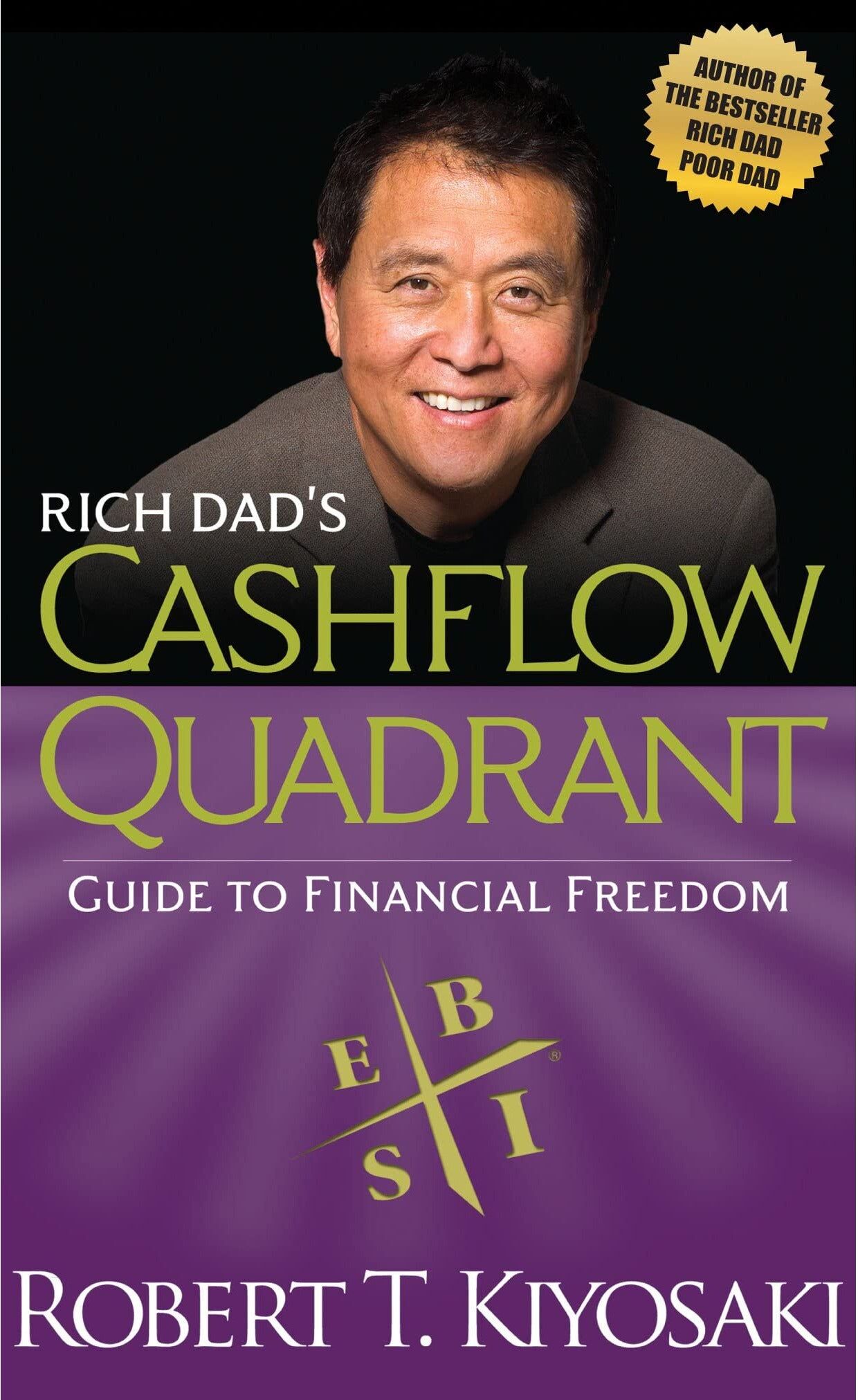
Plata Publishing Rich Dad’s Cashflow Quadrant – Robert T. Kiyosaki Guide to Financial Freedom, Investing & Wealth BuildingDiscover why some people work harder for money while others make money work for them with Rich Dad’s Cashflow Quadrant by Robert T. Kiyosaki. In this powerful follow-up to Rich Dad Poor Dad, Kiyosaki introduces the Cashflow Quadrant, a simple yet transformative framework that explains the four ways people earn income: Employee (E), Self-Employed (S), Business Owner (B), and Investor (I). The book reveals why true financial freedom is most often found on the B and I side of the quadrant. Through real-world examples and practical insights, Kiyosaki teaches readers how to shift their mindset, reduce financial risk, and build sustainable wealth through business ownership and investing. This book focuses on financial intelligence, passive income, and long-term wealth creation, rather than short-term gains. What You’ll Learn: The meaning of the Cashflow Quadrant (E, S, B, I) Why employees and self-employed people face financial limits How business owners and investors build passive income The mindset shifts required for financial independence How to move from job-based income to asset-based income Ideal for anyone serious about financial freedom, investing, and entrepreneurship, Rich Dad’s Cashflow Quadrant is a must-read personal finance classic.4,99 £*Shipping: 1,99 £Secure redirect to the provider
-
Simon & Schuster The Holy Grail of Investing: The World's Greatest Investors Reveal Their Ultimate Strategies for Financial FreedomTony Robbins, who has coached more than fifty million people from 100 countries, is the world’s #1 life and business strategist. In this new book, he teams up with Christopher Zook, a renowned financial investor who draws from thirty years of experience to round out the trilogy of #1 New York Times bestselling financial books. Together they reveal how, for decades, trillions of dollars of smart money – think of large institutions, sovereign wealth funds, individuals with ultra-high-net worth – have been making outsized returns using alternative investments in private equity, private credit, private real estate, energy and venture capital. Until recently, the vast majority of investors – those of us without insider access or eye-popping checkbooks – have been locked out of these exciting, high-yield opportunities. But there is a change underway. Alternative investments are coming to the masses, and investors need to know how to navigate their options, assess the merits of these opportunities, and determine how to best take advantage of this massive trend. In The Holy Grain of Investing, you’ll discover: Where opportunities will arise as we transition from the 'free money' era of zero interest rates to a new more realistic environment. How to take advantage of the trillions flowing into private investments by owning a piece of the firms that manage the assets. How to take advantage of private credit as an alternative (or compliment) to bonds. How and why professional sports teams have become an asset class of their own. How the renewable energy revolution will create new winners and losers. How investments in private real estate can work as an inflationary hedge. Interviews, advice, and insights from some of the world’s most formidable titans of industry, such as Howard Marks of OakTree Capital, Vinod Khosla of Khosla Capital, Barry Sternlicht of Starwood, Robert Smith of Vista, and Peter Theil of Founders Fund, among others. The market is changing, and the conventional wisdom no longer applies. Are you ready to add some fuel to your financial fire? No matter your wealth, your experience, your job, or your age, The Holy Grail of Investing will teach you everything you need to know to unleash the financial power of alternative investments.8,99 £*Shipping: 2,99 £Secure redirect to the provider
-
Is surplus equal to profit?
Surplus is not necessarily equal to profit. Surplus refers to the excess of revenue over expenses, which can include profits as well as other sources of income. Profit specifically refers to the financial gain made after all expenses have been deducted from revenue. Therefore, while profit can contribute to surplus, surplus can also include other forms of excess income beyond just profits. **
-
Is a calorie surplus okay?
A calorie surplus can be okay in certain situations, such as when trying to build muscle or during periods of increased physical activity. However, consistently consuming more calories than your body needs can lead to weight gain and potential health issues. It's important to strike a balance and ensure that the surplus is intentional and part of a well-rounded diet and exercise plan. Consulting with a healthcare provider or nutritionist can help determine if a calorie surplus is appropriate for your individual needs and goals. **
-
What is a calorie surplus?
A calorie surplus occurs when an individual consumes more calories than their body needs to maintain its current weight. This excess energy is stored in the body as fat, leading to weight gain over time. To lose weight, one must create a calorie deficit by consuming fewer calories than the body needs, forcing it to use stored fat for energy. It is important to strike a balance between calorie intake and expenditure to achieve and maintain a healthy weight. **
-
Calorie deficit or calorie surplus?
Whether you should aim for a calorie deficit or surplus depends on your specific goals. If you are looking to lose weight, a calorie deficit is necessary as it means you are burning more calories than you are consuming. On the other hand, if you are trying to gain muscle mass, a calorie surplus may be beneficial as it provides your body with the extra energy needed for muscle growth. It's important to find the right balance that aligns with your individual goals and overall health. **
* All prices are inclusive of VAT and, if applicable, plus shipping costs. The offer information is based on the details provided by the respective shop and is updated through automated processes. Real-time updates do not occur, so deviations can occur in individual cases. ** Note: Parts of this content were created by AI.