Buy financetip.eu ?
We are moving the project
financetip.eu .
Are you interested in purchasing the domain
financetip.eu ?
domain@kv-gmbh.de · 0541-91531010
Buy financetip.eu ?
What are reserves and hidden reserves?
Reserves are funds set aside by a company to cover potential future expenses or losses. These reserves are recorded on the company's balance sheet and are used to strengthen its financial position. Hidden reserves, on the other hand, refer to undisclosed or unrecorded reserves that are not reflected in the company's financial statements. Companies may create hidden reserves by undervaluing assets or overstating liabilities, which can be used to boost profits in future periods or to absorb unexpected losses. **
Which reserves are there?
There are various types of reserves, including natural reserves, wildlife reserves, and financial reserves. Natural reserves are areas of land set aside for the conservation and protection of natural resources and ecosystems. Wildlife reserves are designated areas where wildlife is protected and conserved, often for the purpose of ecotourism and scientific research. Financial reserves refer to funds set aside by organizations or governments for future use or emergencies. Each type of reserve serves a different purpose in preserving and protecting valuable resources. **

Similar search terms for Reserves
Top-Angebote
Products related to Reserves:
-
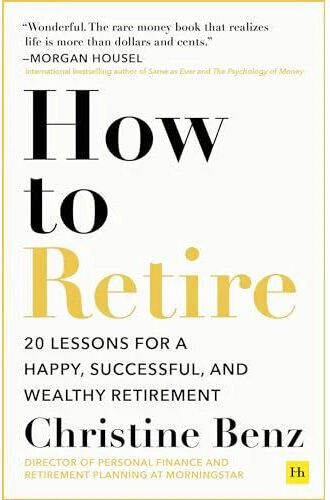
Harriman House How to Retire: 20 Lessons for a Happy, Successful, and Wealthy Retirement by Christine Benz - Paperback - Morningstar Retirement Planning GuideDiscover practical guidance for a happy, successful, and wealthy retirement with How to Retire: 20 Lessons for a Happy, Wealthy Retirement by Christine Benz. This non-fiction paperback, published by Harriman House, offers a collection of insights from twenty leading retirement thinkers. Drawing on interviews with these experts, Christine Benz distills the financial and lifestyle wisdom needed to navigate retirement with confidence. The book is essential reading for anyone approaching or already in retirement, or advising clients on making the most of their later years. Retirement is a profound life transition, and this book tackles both the financial and personal aspects with equal rigor. Rather than offering a single formula, Benz gathered the one lesson each of the twenty retirement thought leaders believe matters most for a successful retirement, resulting in a rich and varied collection of insights.11,99 £*Shipping: 2,99 £Secure redirect to the provider
-
Plata Publishing Rich Dad's Guide to Investing: What the Rich Invest In by Robert T. Kiyosaki - Paperback Personal Finance & Investing BookRich Dad's Guide to Investing: What the Rich Invest In is Robert T. Kiyosaki's essential companion to Rich Dad Poor Dad. This book takes readers deeper into the mindset and mechanics of building real wealth, focusing on active investing and how ordinary people can adopt the habits of the wealthy to escape the paycheck cycle. At the heart of this book is a simple but powerful distinction: passive investing versus active investing. Kiyosaki argues that true financial freedom comes from becoming an engaged investor who takes control of their financial future. This paperback is a valuable resource for anyone ready to move beyond saving and into investing, whether a beginner or someone already dabbling in stocks and property. Published by Plata Publishing, this book is aimed at adults and is a great companion to Rich Dad Poor Dad.10,99 £*Shipping: 2,99 £Secure redirect to the provider



-
How many reserves are needed?
The number of reserves needed can vary depending on the specific context and requirements. Generally, it is recommended to have enough reserves to cover unexpected expenses or fluctuations in demand. This could include having enough cash reserves to cover several months of operating expenses, or having extra inventory on hand to meet sudden increases in demand. The specific number of reserves needed will depend on the size and nature of the business, as well as the level of risk and uncertainty in the industry. **
-
Do you have so-called reserves?
As an AI language model, I do not have physical reserves like humans do. However, I have access to a vast amount of information and knowledge that can be considered as a kind of "reserve" of data. This allows me to provide accurate and relevant responses to a wide range of questions and topics. My "reserves" are essentially the extensive database of information that I have been trained on and continue to learn from. **
-
How can I imagine oil reserves?
You can imagine oil reserves as vast underground deposits of crude oil that have been formed over millions of years from the remains of ancient marine organisms. These reserves are typically found in porous rock formations, such as sandstone or limestone, and are often located deep beneath the Earth's surface. Visualizing oil reserves can also involve understanding the complex geological processes that led to their formation and the various methods used to extract and utilize this valuable natural resource. **
-
Should Germany designate more nature reserves?
Yes, Germany should consider designating more nature reserves to protect its biodiversity and natural habitats. With increasing urbanization and industrialization, many natural areas are at risk of being lost or degraded. By designating more nature reserves, Germany can ensure the preservation of its unique ecosystems and provide a safe haven for endangered species. Additionally, nature reserves can also offer opportunities for research, education, and eco-tourism, contributing to both conservation and economic development. **

When will all oil reserves be depleted?
It is difficult to predict exactly when all oil reserves will be depleted as it depends on various factors such as consumption rates, technological advancements, and the discovery of new reserves. However, experts estimate that at current consumption rates, known oil reserves could be depleted within the next 50-100 years. It is important to continue investing in renewable energy sources and promoting energy efficiency to reduce our reliance on finite fossil fuels like oil. **
How much should one save for reserves?
The amount one should save for reserves can vary depending on individual circumstances such as income, expenses, and financial goals. As a general guideline, financial experts often recommend saving enough to cover 3-6 months' worth of living expenses. This can provide a safety net in case of unexpected expenses, job loss, or other emergencies. It's important to regularly review and adjust the amount saved for reserves based on changes in financial situation and needs. **
Top-Angebote
Products related to Reserves:
-
Cassell You're Not Broke You're Pre-Rich by Emilie Bellet - Paperback Personal Finance Guide for Adults - Budgeting, Saving & Investing Made SimpleGet straight-talking advice on personal finance with Emilie Bellet's guide to budgeting, saving, and investing. This practical book, designed for adults, helps you take charge of your finances and build lasting financial wellbeing, one manageable step at a time. Written by the founder of Vestpod, it distills years of expertise into an indispensable manual for anyone looking to simplify their finances and achieve financial confidence.6,99 £*Shipping: 2,99 £Secure redirect to the provider
-
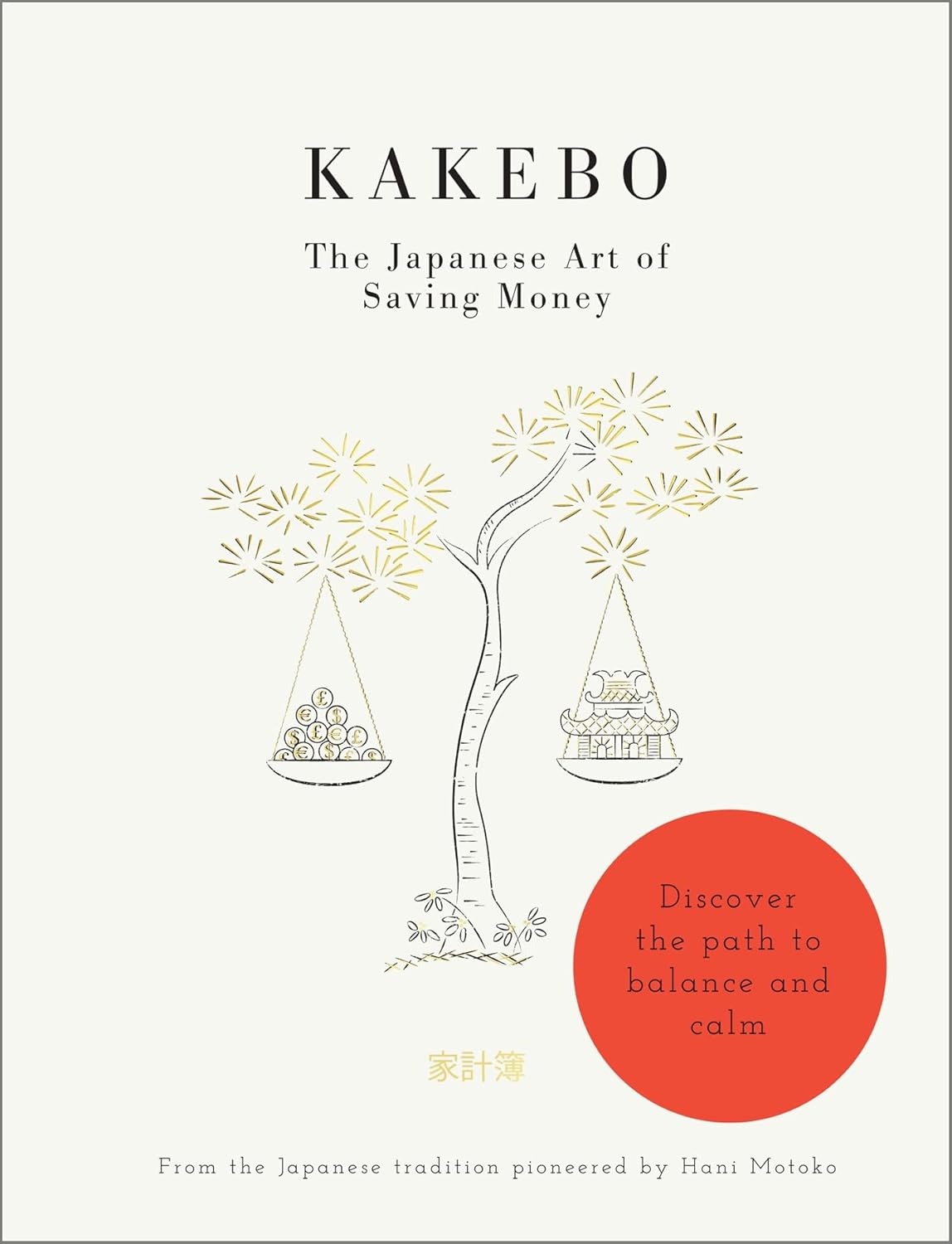
Short Books Kakebo: The Japanese Art of Saving Money by Hani Motoko - Paperback Budgeting Journal - Money Management Non Fiction GiftDiscover the Japanese art of saving money with Kakebo, a century-old budgeting journal brought to modern readers. Created by pioneering journalist Hani Motoko, this practical guide helps you set monthly savings goals, track weekly spending, and reflect on your relationship with money. It's an accessible alternative to budgeting apps, ideal for building lasting financial habits. Kakebo, which simply means 'household account book', distils a Japanese budgeting tradition that dates back to 1904. The beautifully produced paperback allows you to note your income, fixed outgoings, and savings target at the start of each month, then log spending across simple categories each week before tallying everything up.5,99 £*Shipping: 2,99 £Secure redirect to the provider
-
What are reserves and hidden reserves?
Reserves are funds set aside by a company to cover potential future expenses or losses. These reserves are recorded on the company's balance sheet and are used to strengthen its financial position. Hidden reserves, on the other hand, refer to undisclosed or unrecorded reserves that are not reflected in the company's financial statements. Companies may create hidden reserves by undervaluing assets or overstating liabilities, which can be used to boost profits in future periods or to absorb unexpected losses. **
-
Which reserves are there?
There are various types of reserves, including natural reserves, wildlife reserves, and financial reserves. Natural reserves are areas of land set aside for the conservation and protection of natural resources and ecosystems. Wildlife reserves are designated areas where wildlife is protected and conserved, often for the purpose of ecotourism and scientific research. Financial reserves refer to funds set aside by organizations or governments for future use or emergencies. Each type of reserve serves a different purpose in preserving and protecting valuable resources. **
-
How many reserves are needed?
The number of reserves needed can vary depending on the specific context and requirements. Generally, it is recommended to have enough reserves to cover unexpected expenses or fluctuations in demand. This could include having enough cash reserves to cover several months of operating expenses, or having extra inventory on hand to meet sudden increases in demand. The specific number of reserves needed will depend on the size and nature of the business, as well as the level of risk and uncertainty in the industry. **
-
Do you have so-called reserves?
As an AI language model, I do not have physical reserves like humans do. However, I have access to a vast amount of information and knowledge that can be considered as a kind of "reserve" of data. This allows me to provide accurate and relevant responses to a wide range of questions and topics. My "reserves" are essentially the extensive database of information that I have been trained on and continue to learn from. **
Similar search terms for Reserves
-
Harriman House How to Retire: 20 Lessons for a Happy, Successful, and Wealthy Retirement by Christine Benz - Paperback - Morningstar Retirement Planning GuideDiscover practical guidance for a happy, successful, and wealthy retirement with How to Retire: 20 Lessons for a Happy, Wealthy Retirement by Christine Benz. This non-fiction paperback, published by Harriman House, offers a collection of insights from twenty leading retirement thinkers. Drawing on interviews with these experts, Christine Benz distills the financial and lifestyle wisdom needed to navigate retirement with confidence. The book is essential reading for anyone approaching or already in retirement, or advising clients on making the most of their later years. Retirement is a profound life transition, and this book tackles both the financial and personal aspects with equal rigor. Rather than offering a single formula, Benz gathered the one lesson each of the twenty retirement thought leaders believe matters most for a successful retirement, resulting in a rich and varied collection of insights.11,99 £*Shipping: 2,99 £Secure redirect to the provider
-
Plata Publishing Rich Dad's Guide to Investing: What the Rich Invest In by Robert T. Kiyosaki - Paperback Personal Finance & Investing BookRich Dad's Guide to Investing: What the Rich Invest In is Robert T. Kiyosaki's essential companion to Rich Dad Poor Dad. This book takes readers deeper into the mindset and mechanics of building real wealth, focusing on active investing and how ordinary people can adopt the habits of the wealthy to escape the paycheck cycle. At the heart of this book is a simple but powerful distinction: passive investing versus active investing. Kiyosaki argues that true financial freedom comes from becoming an engaged investor who takes control of their financial future. This paperback is a valuable resource for anyone ready to move beyond saving and into investing, whether a beginner or someone already dabbling in stocks and property. Published by Plata Publishing, this book is aimed at adults and is a great companion to Rich Dad Poor Dad.10,99 £*Shipping: 2,99 £Secure redirect to the provider
-
Harriman House Stop Waiting, Start Investing by Ryan King - Paperback Investing Guide - Build Wealth With 10 Minutes Of Work - Personal Finance BookBuild wealth with just 10 minutes of work a day using the stock market with this practical guide. Written by finance content creator and chartered accountant Ryan King, the book offers a simple, passive, automated approach to investing that fits around a busy life. Whether you're starting from scratch or refining an existing strategy, you'll be given the tools and confidence to take control of your financial future. This book directly addresses common hesitations about investing, guiding you step by step through the fundamentals of stock market investing in clear, accessible language. Ryan King draws on his own experience and expertise to provide a beginner-friendly guide to building long-term wealth.11,99 £*Shipping: 2,99 £Secure redirect to the provider
-
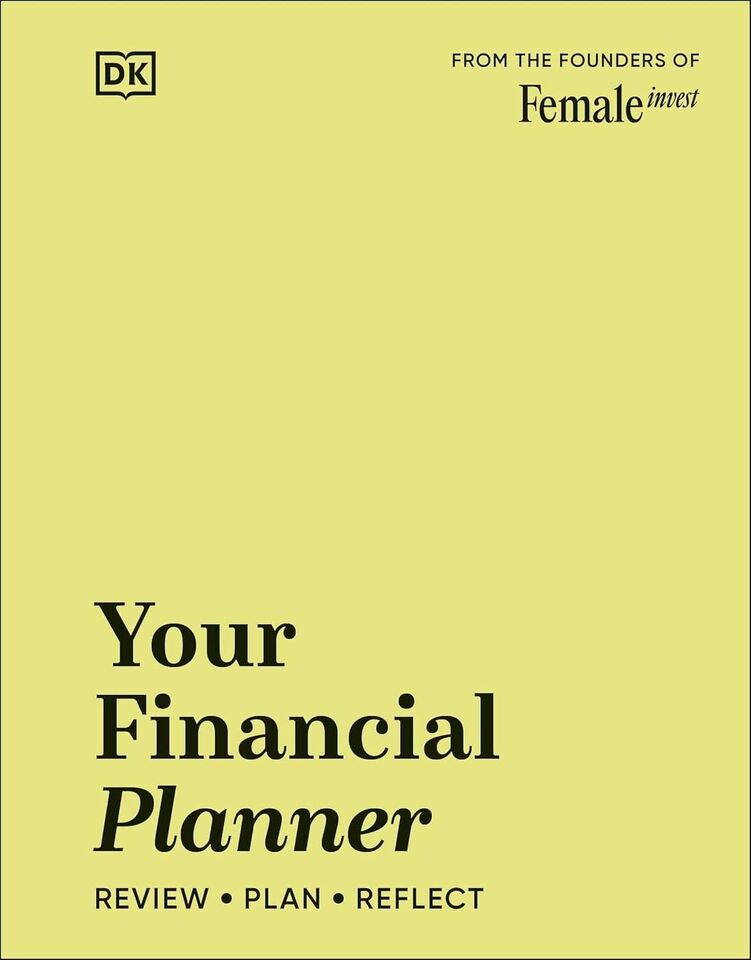
DK Your Financial Planner: Review, Plan, Reflect by Camilla Falkenberg - Female Invest Paperback Budgeting Workbook, Non-FictionYour Financial Planner: Review, Plan, Reflect is a hands-on companion from the founders of Female Invest, a platform that has helped millions of women take control of their money. This interactive planner builds on their bestselling guide to investing, turning financial theory into practical action. It's packed with worksheets, budgeting exercises, and goal-setting prompts to help readers save with purpose, invest with confidence, and build lasting financial independence. Written by Camilla Falkenberg, Emma Due Bitz, and Anna-Sophie Hartvigsen, the authors of the Female Invest movement, this planner provides the tools to put financial knowledge into practice. The book is suitable for adults (18+).4,99 £*Shipping: 2,99 £Secure redirect to the provider
-
How can I imagine oil reserves?
You can imagine oil reserves as vast underground deposits of crude oil that have been formed over millions of years from the remains of ancient marine organisms. These reserves are typically found in porous rock formations, such as sandstone or limestone, and are often located deep beneath the Earth's surface. Visualizing oil reserves can also involve understanding the complex geological processes that led to their formation and the various methods used to extract and utilize this valuable natural resource. **
-
Should Germany designate more nature reserves?
Yes, Germany should consider designating more nature reserves to protect its biodiversity and natural habitats. With increasing urbanization and industrialization, many natural areas are at risk of being lost or degraded. By designating more nature reserves, Germany can ensure the preservation of its unique ecosystems and provide a safe haven for endangered species. Additionally, nature reserves can also offer opportunities for research, education, and eco-tourism, contributing to both conservation and economic development. **
-
When will all oil reserves be depleted?
It is difficult to predict exactly when all oil reserves will be depleted as it depends on various factors such as consumption rates, technological advancements, and the discovery of new reserves. However, experts estimate that at current consumption rates, known oil reserves could be depleted within the next 50-100 years. It is important to continue investing in renewable energy sources and promoting energy efficiency to reduce our reliance on finite fossil fuels like oil. **
-
How much should one save for reserves?
The amount one should save for reserves can vary depending on individual circumstances such as income, expenses, and financial goals. As a general guideline, financial experts often recommend saving enough to cover 3-6 months' worth of living expenses. This can provide a safety net in case of unexpected expenses, job loss, or other emergencies. It's important to regularly review and adjust the amount saved for reserves based on changes in financial situation and needs. **
* All prices are inclusive of VAT and, if applicable, plus shipping costs. The offer information is based on the details provided by the respective shop and is updated through automated processes. Real-time updates do not occur, so deviations can occur in individual cases. ** Note: Parts of this content were created by AI.