Buy financetip.eu ?
We are moving the project
financetip.eu .
Are you interested in purchasing the domain
financetip.eu ?
domain@kv-gmbh.de · 0541-91531010
Buy financetip.eu ?
What is the difference between financial advisory and financial management?
Financial advisory involves providing advice and guidance to individuals or businesses on how to manage their finances, make investment decisions, and plan for their financial future. Financial advisors help clients understand their financial situation and make informed decisions about their money. On the other hand, financial management involves the day-to-day management of an individual's or business's finances, including budgeting, cash flow management, and financial reporting. Financial managers are responsible for implementing the strategies and plans developed by financial advisors to ensure that the client's financial goals are met. In summary, financial advisory focuses on providing advice and guidance, while financial management involves the implementation and ongoing management of financial plans and strategies. **
What is financial mathematics?
Financial mathematics is a branch of applied mathematics that focuses on the modeling and analysis of financial markets and instruments. It involves the use of mathematical tools and techniques to understand and quantify the risks and returns associated with various financial products, such as stocks, bonds, options, and derivatives. Financial mathematics also plays a crucial role in the development of investment strategies, risk management, and the pricing of financial assets. It is widely used in the banking, insurance, and investment industries to make informed decisions and optimize financial outcomes. **
Similar search terms for Financial
Top-Angebote
Products related to Financial:
-
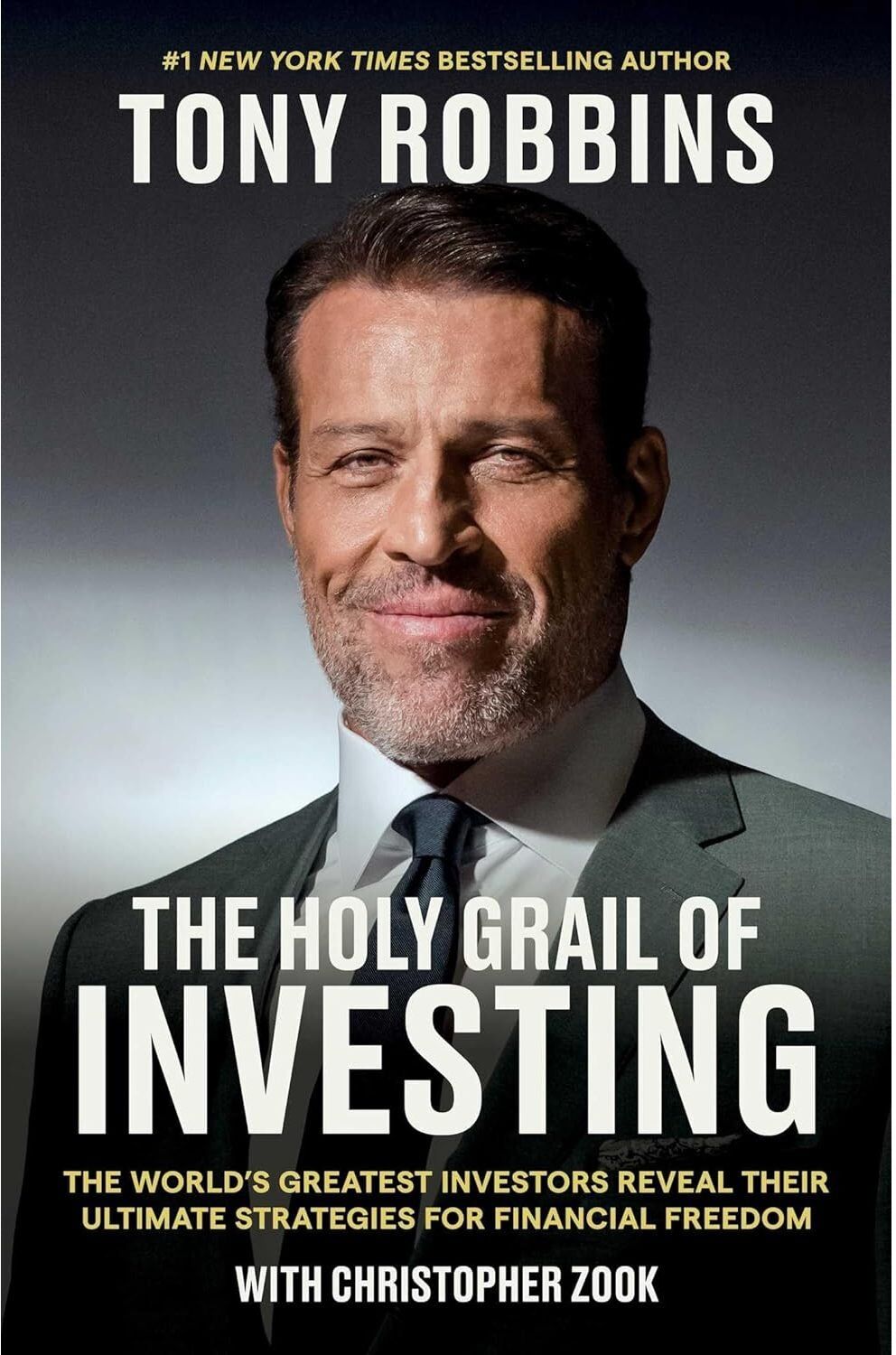
Simon & Schuster The Holy Grail of Investing: The World's Greatest Investors Reveal Their Ultimate Strategies for Financial FreedomTony Robbins, who has coached more than fifty million people from 100 countries, is the world’s #1 life and business strategist. In this new book, he teams up with Christopher Zook, a renowned financial investor who draws from thirty years of experience to round out the trilogy of #1 New York Times bestselling financial books. Together they reveal how, for decades, trillions of dollars of smart money – think of large institutions, sovereign wealth funds, individuals with ultra-high-net worth – have been making outsized returns using alternative investments in private equity, private credit, private real estate, energy and venture capital. Until recently, the vast majority of investors – those of us without insider access or eye-popping checkbooks – have been locked out of these exciting, high-yield opportunities. But there is a change underway. Alternative investments are coming to the masses, and investors need to know how to navigate their options, assess the merits of these opportunities, and determine how to best take advantage of this massive trend. In The Holy Grain of Investing, you’ll discover: Where opportunities will arise as we transition from the 'free money' era of zero interest rates to a new more realistic environment. How to take advantage of the trillions flowing into private investments by owning a piece of the firms that manage the assets. How to take advantage of private credit as an alternative (or compliment) to bonds. How and why professional sports teams have become an asset class of their own. How the renewable energy revolution will create new winners and losers. How investments in private real estate can work as an inflationary hedge. Interviews, advice, and insights from some of the world’s most formidable titans of industry, such as Howard Marks of OakTree Capital, Vinod Khosla of Khosla Capital, Barry Sternlicht of Starwood, Robert Smith of Vista, and Peter Theil of Founders Fund, among others. The market is changing, and the conventional wisdom no longer applies. Are you ready to add some fuel to your financial fire? No matter your wealth, your experience, your job, or your age, The Holy Grail of Investing will teach you everything you need to know to unleash the financial power of alternative investments.8,99 £*Shipping: 2,99 £Secure redirect to the provider
-
HP 12c Platinum Financial Calculator (F2231AA)HP 12c Platinum Financial Calculator; Box includes Calculator, batteries, user manual, pouch. Display Description: 10 x 7-segment, single line. Built-in Functions: over 130. Character Display Maximum: 10. Entry System Logic: RPN; Algebraic. Graph Display Features: adjustable contrastA time-tested performer, the HP 12c has an easy-to-use layout, one-line LCD display and efficient RPN data entry. Easily calculate loan payments, interest rates and conversions, standard deviation, percent, TVM, NPV, IRR, cash flows, bonds and more. Over 120 built in functions.- Customizing Features.- Keystroke programming Memory capacity: 399 steps.- Time and Date Management.- Date arithmetic.- The Time-Tested Performer.- Business/Financial Features Statistical/Mathematical Features, Time and Date Management, and Customizing Features, Attractive one line x 10-character LCD display, Select business functions at your fingertips, Great mix of statistic, business and math functions, Read display results easily, even at an angle.- Business/Financial Features.- TVM (loans, savings, and leasing) Amortization Bond price and yield to maturity Cash flow analysis NPV, IRR Memory for up to 20 cash flows SL, DB, SOYD depreciation methods % change, % of total.- Statistical/Mathematical Features.- Cumulative statistical analysis Std. deviation, mean, weighted mean Linear regression Forecasting, correlation coefficient Total, £x, £x2, £y, £y2, £xy +, -, x, %, ÷, 1/x, ±, LN, ex, n!.- Ideal for.- Real estate, finance, accounting, economics and business work. Permitted for use on the CFP and CFA Certification Exams, and GARP FRM Exam.40,99 £*Shipping: 0,00 £Secure redirect to the provider
-
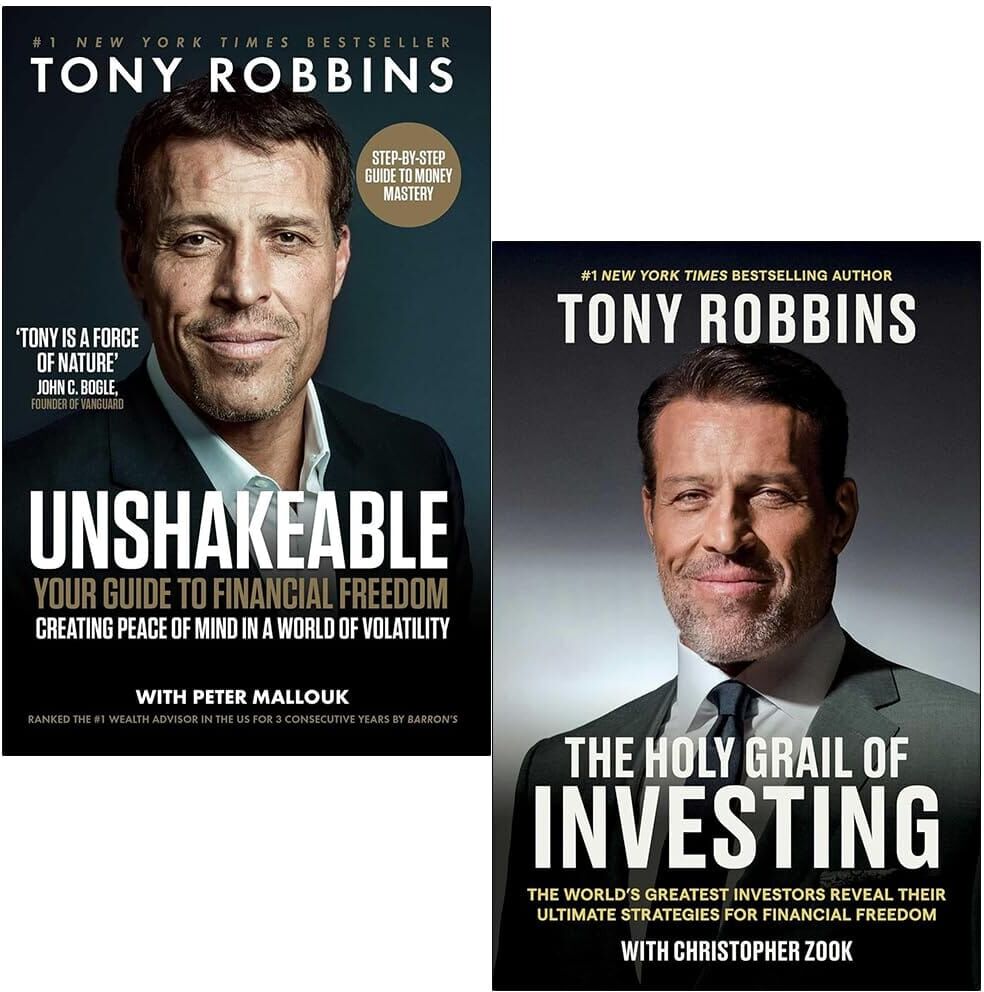
Financial Freedom Collection By Tony Robbins 2 Books Set - Non Fiction - Paperback Simon & SchusterTitles in this set: 1. Unshakeable: Your Guide to Financial Freedom 2. The Holy Grail of Investing Description: Unshakeable: Your Guide to Financial Freedom Tony Robbins, arguably the most recognizable life and business strategist and guru, is back with a timely, unique follow-up. Market corrections are as constant as seasons are in nature. There have been 30 such corrections in the past 30 years, yet there’s never been an action plan for how not only to survive, but thrive through each change in the stock market. Building upon the principles in Money: Master the Game, Robbins offers the reader specific steps they can implement to protect their investments while maximizing their wealth. It’s a detailed guide designed for investors, articulated in the common-sense, practical manner that the millions of loyal Robbins fans and students have come to expect and rely upon. Few have navigated the turbulence of the stock market as adeptly and successfully as Tony Robbins. His proven, consistent success over decades makes him singularly qualified to help investors (both seasoned and first-timers alike) preserve and add to their investments. The Holy Grail of Investing In this new book, Tony Robbins teams up with Christopher Zook, a renowned financial investor . Together they reveal how, for decades, trillions of dollars of smart money – think of large institutions, sovereign wealth funds, individuals with ultra-high-net worth – have been making outsized returns using alternative investments in private equity, private credit, private real estate, energy and venture capital. Until recently, the vast majority of investors – those of us without insider access or eye-popping checkbooks – have been locked out of these exciting, high-yield opportunities. But there is a change underway. Alternative investments are coming to the masses, and investors need to know how to navigate their options, assess the merits of these opportunities, and determine how to best take advantage of this massive trend. In The Holy Grain of Investing , you’ll discover: Where opportunities will arise as we transition from the 'free money' era of zero interest rates to a new more realistic environment. How to take advantage of the trillions flowing into private investments by owning a piece of the firms that manage the assets. How to take advantage of private credit as an alternative (or compliment) to bonds. How and why professional sports teams have become an asset class of their own. How the renewable energy revolution will create new winners and losers. How investments in private real estate can work as an inflationary hedge. Interviews, advice, and insights from some of the world’s most formidable titans of industry, such as Howard Marks of OakTree Capital, Vinod Khosla of Khosla Capital, Barry Sternlicht of Starwood, Robert Smith of Vista, and Peter Theil of Founders Fund, among others. The market is changing, and the conventional wisdom no longer applies. Are you ready to add some...18,99 £*Shipping: 2,99 £Secure redirect to the provider


-
What are financial problems?
Financial problems refer to difficulties or challenges related to managing money and finances. This can include issues such as excessive debt, inability to pay bills on time, lack of savings, or living beyond one's means. Financial problems can also arise from unexpected expenses, job loss, or other financial setbacks. These problems can cause stress, anxiety, and impact overall well-being if not addressed and managed effectively. **
-
What is financial damage?
Financial damage refers to the negative impact on an individual or organization's financial well-being as a result of a specific event or circumstance. This can include losses from theft, fraud, natural disasters, economic downturns, or other unforeseen events that result in a decrease in assets, income, or overall financial stability. Financial damage can have long-term consequences, such as reduced creditworthiness, increased debt, and difficulty in achieving financial goals. It is important to take proactive measures to protect against financial damage, such as maintaining insurance coverage, implementing strong security measures, and diversifying investments. **
-
What are financial difficulties?
Financial difficulties refer to the challenges and struggles that individuals or organizations face in managing their finances. This can include issues such as not being able to pay bills on time, accumulating debt, or struggling to make ends meet. Financial difficulties can be caused by various factors such as job loss, unexpected expenses, or poor financial management. These difficulties can have a significant impact on a person's overall well-being and can lead to stress, anxiety, and other negative consequences. **
-
What is financial education?
Financial education is the process of learning how to manage and understand personal finances. It involves gaining knowledge and skills in areas such as budgeting, saving, investing, and managing debt. Financial education helps individuals make informed decisions about their money and develop good financial habits for the future. It is important for individuals to have a strong foundation in financial education in order to achieve financial stability and security. **

What are financial circumstances?
Financial circumstances refer to an individual's or a family's overall financial situation, including income, expenses, assets, debts, and financial goals. It encompasses factors such as employment status, salary, savings, investments, and any financial obligations or liabilities. Understanding one's financial circumstances is essential for making informed decisions about budgeting, saving, investing, and planning for the future. It can also impact an individual's ability to access credit, secure loans, or make major purchases. **
What is the difference between individual financial statements and annual financial statements?
Individual financial statements refer to the financial records of a single person or entity, such as a sole proprietorship or an individual. These statements provide a detailed overview of the financial position and performance of that specific entity. On the other hand, annual financial statements are the financial records of an entire organization, such as a corporation or a partnership, for a specific period of time, typically a year. These statements provide a comprehensive view of the organization's financial activities, including its assets, liabilities, income, and expenses. While individual financial statements focus on a single entity, annual financial statements provide a broader perspective of the financial health and performance of the entire organization. **
Top-Angebote
Products related to Financial:
-
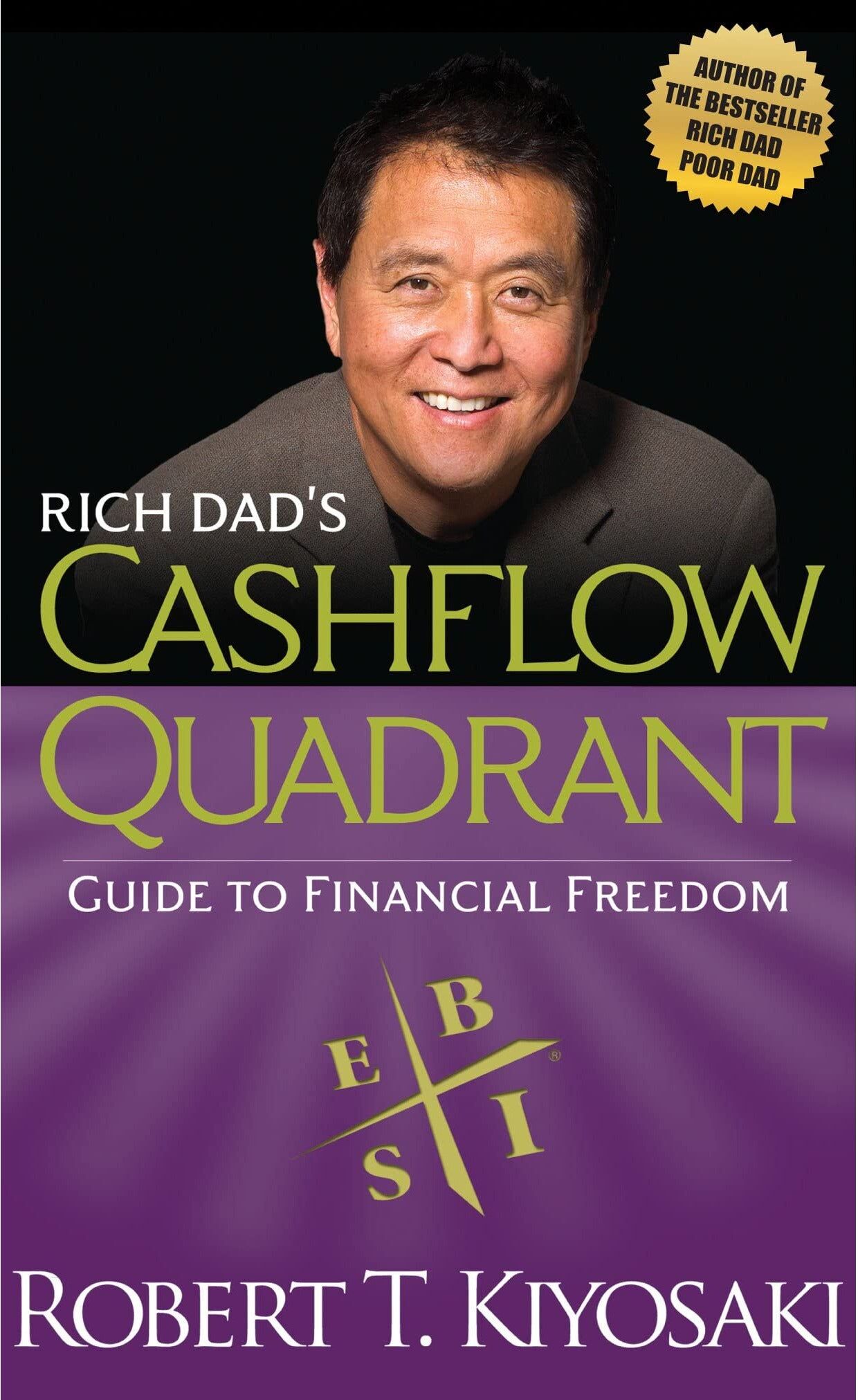
Plata Publishing Rich Dad’s Cashflow Quadrant – Robert T. Kiyosaki Guide to Financial Freedom, Investing & Wealth BuildingDiscover why some people work harder for money while others make money work for them with Rich Dad’s Cashflow Quadrant by Robert T. Kiyosaki. In this powerful follow-up to Rich Dad Poor Dad, Kiyosaki introduces the Cashflow Quadrant, a simple yet transformative framework that explains the four ways people earn income: Employee (E), Self-Employed (S), Business Owner (B), and Investor (I). The book reveals why true financial freedom is most often found on the B and I side of the quadrant. Through real-world examples and practical insights, Kiyosaki teaches readers how to shift their mindset, reduce financial risk, and build sustainable wealth through business ownership and investing. This book focuses on financial intelligence, passive income, and long-term wealth creation, rather than short-term gains. What You’ll Learn: The meaning of the Cashflow Quadrant (E, S, B, I) Why employees and self-employed people face financial limits How business owners and investors build passive income The mindset shifts required for financial independence How to move from job-based income to asset-based income Ideal for anyone serious about financial freedom, investing, and entrepreneurship, Rich Dad’s Cashflow Quadrant is a must-read personal finance classic.4,99 £*Shipping: 1,99 £Secure redirect to the provider
-
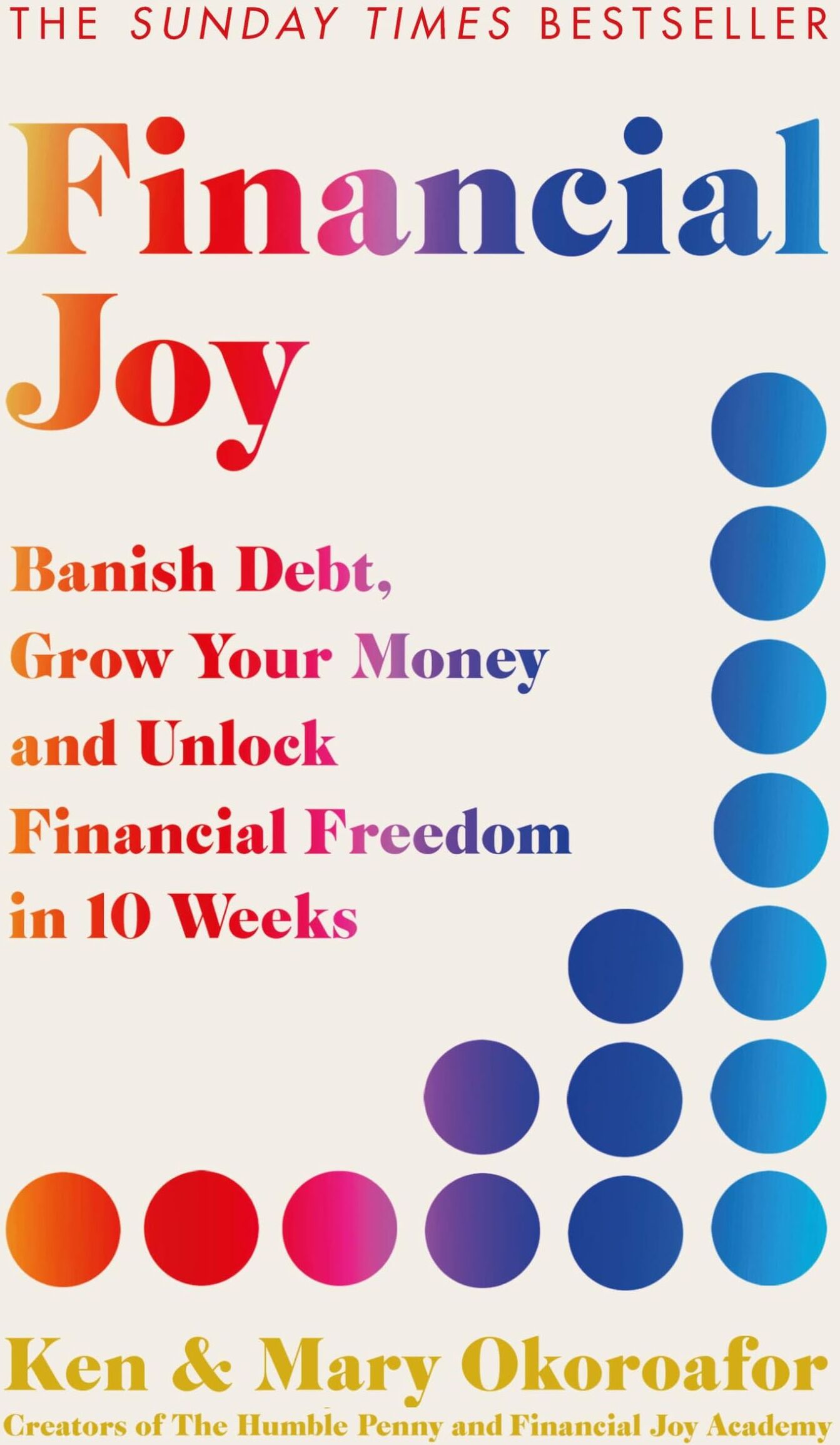
Quercus Financial Joy: Set your financial goals for 2026 - Banish Debt, Grow Your Money and Unlock Financial Freedom by Ken and Mary OkoroaforAs seen on ITV's This Morning! A life-changing 10-week plan to help you to turn your life around and design a path to financial freedom, enriched with the small experiences that bring you joy. Stop worrying about money. Start enjoying your life. You might be struggling in debt, living paycheque to paycheque, or worried about preparing for retirement; maybe you're considering your first investment, or you just want an escape plan from the '9 to 5'. Wherever you are on your journey, this book will revolutionize your lifestyle and your relationship with money. Authors Ken and Mary Okoroafor started out as resource-poor, working-class immigrants and have built a life of financial independence and joyful moments through hard work, smart saving and savvy investing. They know what it feels like to start from ground zero, and as a chartered accountant and former CFO, Ken shares his financial expertise to help you unlock the secret to building wealth. You'll learn how to take control of your finances, develop good money habits, become debt-free, invest in assets and multiply your income so you can create the freedom to travel, spend time with your loved ones and plan for a stress-free (early) retirement - all whilst prioritising your wellbeing and having fun! It also includes a dozen real-life interviews with singles, couples and those with children, from different backgrounds, age groups and stages of their money journey, including a few well-known public figures. Financial joy can be achieved by anyone - and it can start today, not tomorrow.5,99 £*Shipping: 2,99 £Secure redirect to the provider
-
Simon & Schuster The Holy Grail of Investing: The World's Greatest Investors Reveal Their Ultimate Strategies for Financial FreedomTony Robbins, who has coached more than fifty million people from 100 countries, is the world’s #1 life and business strategist. In this new book, he teams up with Christopher Zook, a renowned financial investor who draws from thirty years of experience to round out the trilogy of #1 New York Times bestselling financial books. Together they reveal how, for decades, trillions of dollars of smart money – think of large institutions, sovereign wealth funds, individuals with ultra-high-net worth – have been making outsized returns using alternative investments in private equity, private credit, private real estate, energy and venture capital. Until recently, the vast majority of investors – those of us without insider access or eye-popping checkbooks – have been locked out of these exciting, high-yield opportunities. But there is a change underway. Alternative investments are coming to the masses, and investors need to know how to navigate their options, assess the merits of these opportunities, and determine how to best take advantage of this massive trend. In The Holy Grain of Investing, you’ll discover: Where opportunities will arise as we transition from the 'free money' era of zero interest rates to a new more realistic environment. How to take advantage of the trillions flowing into private investments by owning a piece of the firms that manage the assets. How to take advantage of private credit as an alternative (or compliment) to bonds. How and why professional sports teams have become an asset class of their own. How the renewable energy revolution will create new winners and losers. How investments in private real estate can work as an inflationary hedge. Interviews, advice, and insights from some of the world’s most formidable titans of industry, such as Howard Marks of OakTree Capital, Vinod Khosla of Khosla Capital, Barry Sternlicht of Starwood, Robert Smith of Vista, and Peter Theil of Founders Fund, among others. The market is changing, and the conventional wisdom no longer applies. Are you ready to add some fuel to your financial fire? No matter your wealth, your experience, your job, or your age, The Holy Grail of Investing will teach you everything you need to know to unleash the financial power of alternative investments.8,99 £*Shipping: 2,99 £Secure redirect to the provider
-
HP 12c Platinum Financial Calculator (F2231AA)HP 12c Platinum Financial Calculator; Box includes Calculator, batteries, user manual, pouch. Display Description: 10 x 7-segment, single line. Built-in Functions: over 130. Character Display Maximum: 10. Entry System Logic: RPN; Algebraic. Graph Display Features: adjustable contrastA time-tested performer, the HP 12c has an easy-to-use layout, one-line LCD display and efficient RPN data entry. Easily calculate loan payments, interest rates and conversions, standard deviation, percent, TVM, NPV, IRR, cash flows, bonds and more. Over 120 built in functions.- Customizing Features.- Keystroke programming Memory capacity: 399 steps.- Time and Date Management.- Date arithmetic.- The Time-Tested Performer.- Business/Financial Features Statistical/Mathematical Features, Time and Date Management, and Customizing Features, Attractive one line x 10-character LCD display, Select business functions at your fingertips, Great mix of statistic, business and math functions, Read display results easily, even at an angle.- Business/Financial Features.- TVM (loans, savings, and leasing) Amortization Bond price and yield to maturity Cash flow analysis NPV, IRR Memory for up to 20 cash flows SL, DB, SOYD depreciation methods % change, % of total.- Statistical/Mathematical Features.- Cumulative statistical analysis Std. deviation, mean, weighted mean Linear regression Forecasting, correlation coefficient Total, £x, £x2, £y, £y2, £xy +, -, x, %, ÷, 1/x, ±, LN, ex, n!.- Ideal for.- Real estate, finance, accounting, economics and business work. Permitted for use on the CFP and CFA Certification Exams, and GARP FRM Exam.40,99 £*Shipping: 0,00 £Secure redirect to the provider
-
What is the difference between financial advisory and financial management?
Financial advisory involves providing advice and guidance to individuals or businesses on how to manage their finances, make investment decisions, and plan for their financial future. Financial advisors help clients understand their financial situation and make informed decisions about their money. On the other hand, financial management involves the day-to-day management of an individual's or business's finances, including budgeting, cash flow management, and financial reporting. Financial managers are responsible for implementing the strategies and plans developed by financial advisors to ensure that the client's financial goals are met. In summary, financial advisory focuses on providing advice and guidance, while financial management involves the implementation and ongoing management of financial plans and strategies. **
-
What is financial mathematics?
Financial mathematics is a branch of applied mathematics that focuses on the modeling and analysis of financial markets and instruments. It involves the use of mathematical tools and techniques to understand and quantify the risks and returns associated with various financial products, such as stocks, bonds, options, and derivatives. Financial mathematics also plays a crucial role in the development of investment strategies, risk management, and the pricing of financial assets. It is widely used in the banking, insurance, and investment industries to make informed decisions and optimize financial outcomes. **
-
What are financial problems?
Financial problems refer to difficulties or challenges related to managing money and finances. This can include issues such as excessive debt, inability to pay bills on time, lack of savings, or living beyond one's means. Financial problems can also arise from unexpected expenses, job loss, or other financial setbacks. These problems can cause stress, anxiety, and impact overall well-being if not addressed and managed effectively. **
-
What is financial damage?
Financial damage refers to the negative impact on an individual or organization's financial well-being as a result of a specific event or circumstance. This can include losses from theft, fraud, natural disasters, economic downturns, or other unforeseen events that result in a decrease in assets, income, or overall financial stability. Financial damage can have long-term consequences, such as reduced creditworthiness, increased debt, and difficulty in achieving financial goals. It is important to take proactive measures to protect against financial damage, such as maintaining insurance coverage, implementing strong security measures, and diversifying investments. **
Similar search terms for Financial
-
Financial Freedom Collection By Tony Robbins 2 Books Set - Non Fiction - Paperback Simon & SchusterTitles in this set: 1. Unshakeable: Your Guide to Financial Freedom 2. The Holy Grail of Investing Description: Unshakeable: Your Guide to Financial Freedom Tony Robbins, arguably the most recognizable life and business strategist and guru, is back with a timely, unique follow-up. Market corrections are as constant as seasons are in nature. There have been 30 such corrections in the past 30 years, yet there’s never been an action plan for how not only to survive, but thrive through each change in the stock market. Building upon the principles in Money: Master the Game, Robbins offers the reader specific steps they can implement to protect their investments while maximizing their wealth. It’s a detailed guide designed for investors, articulated in the common-sense, practical manner that the millions of loyal Robbins fans and students have come to expect and rely upon. Few have navigated the turbulence of the stock market as adeptly and successfully as Tony Robbins. His proven, consistent success over decades makes him singularly qualified to help investors (both seasoned and first-timers alike) preserve and add to their investments. The Holy Grail of Investing In this new book, Tony Robbins teams up with Christopher Zook, a renowned financial investor . Together they reveal how, for decades, trillions of dollars of smart money – think of large institutions, sovereign wealth funds, individuals with ultra-high-net worth – have been making outsized returns using alternative investments in private equity, private credit, private real estate, energy and venture capital. Until recently, the vast majority of investors – those of us without insider access or eye-popping checkbooks – have been locked out of these exciting, high-yield opportunities. But there is a change underway. Alternative investments are coming to the masses, and investors need to know how to navigate their options, assess the merits of these opportunities, and determine how to best take advantage of this massive trend. In The Holy Grain of Investing , you’ll discover: Where opportunities will arise as we transition from the 'free money' era of zero interest rates to a new more realistic environment. How to take advantage of the trillions flowing into private investments by owning a piece of the firms that manage the assets. How to take advantage of private credit as an alternative (or compliment) to bonds. How and why professional sports teams have become an asset class of their own. How the renewable energy revolution will create new winners and losers. How investments in private real estate can work as an inflationary hedge. Interviews, advice, and insights from some of the world’s most formidable titans of industry, such as Howard Marks of OakTree Capital, Vinod Khosla of Khosla Capital, Barry Sternlicht of Starwood, Robert Smith of Vista, and Peter Theil of Founders Fund, among others. The market is changing, and the conventional wisdom no longer applies. Are you ready to add some...18,99 £*Shipping: 2,99 £Secure redirect to the provider
-
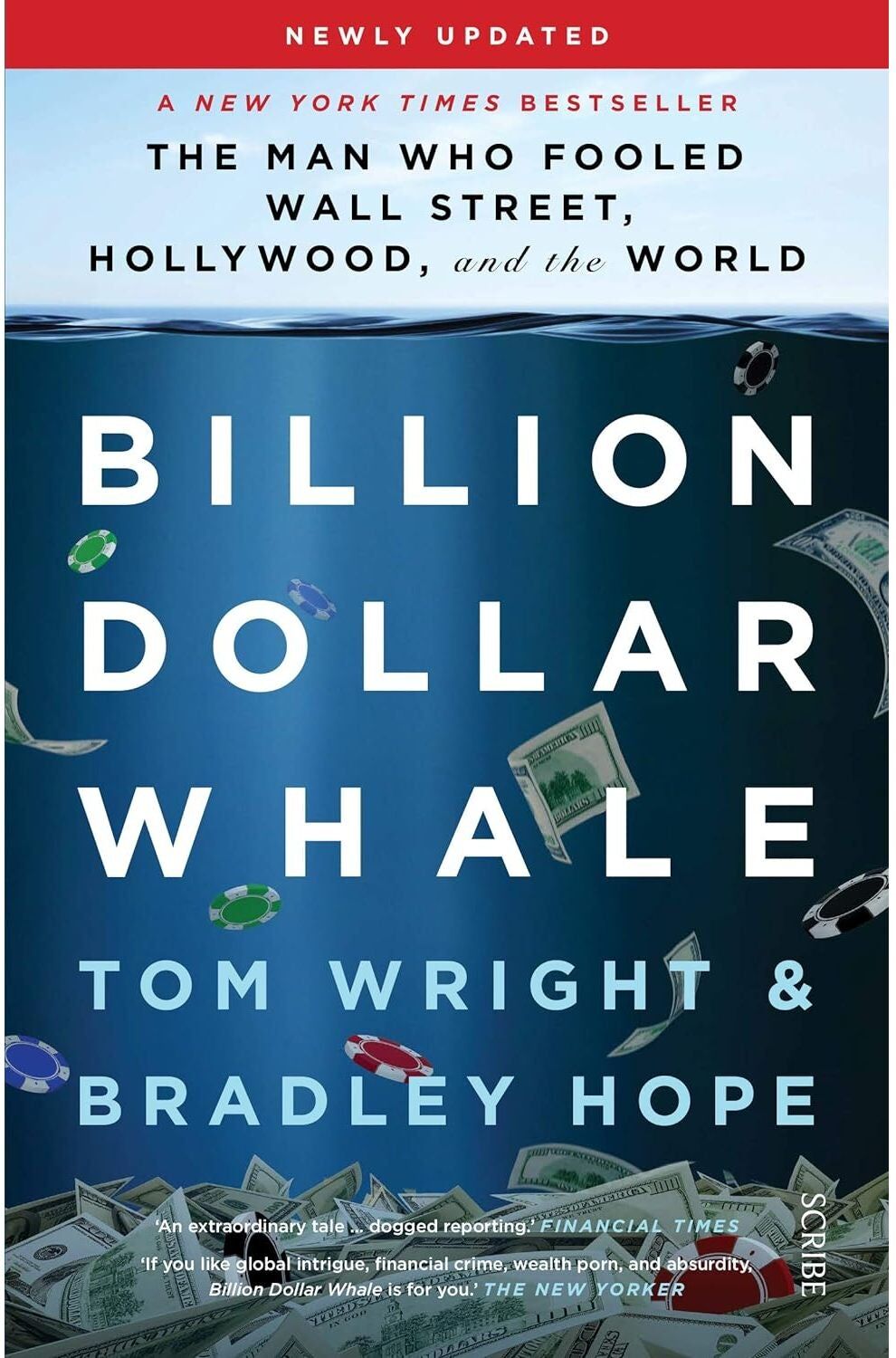
Scribe UK Billion Dollar Whale by Tom Wright & Bradley Hope – Financial Fraud True Crime BestsellerThe epic story of how a young social climber from Malaysia pulled off one of the biggest financial heists in history. In 2015, rumours began circulating that billions of dollars had been stolen from a Malaysian investment fund. The mastermind of the heist was twenty-seven-year-old Jho Low, a serial fabulist from an upper-middle-class Malaysian family, who had carefully built his reputation as a member of the jet-setting elite by arranging and financing elaborate parties for Wall Street bankers, celebrities, and even royalty. With the aid of Goldman Sachs and others, Low stole billions of dollars, right under the nose of global financial industry watchdogs. He used the money to finance elections, purchase luxury real estate, throw champagne-drenched parties, and bankroll Hollywood films like The Wolf of Wall Street. Billion Dollar Whale reveals how this silver-tongued con man, a ‘modern Gatsby’, emerged from obscurity to pull off one of the most audacious financial heists the world has ever seen, and how the financial industry let him. It is a classic harrowing parable of hubris and greed in the financial world.4,95 £*Shipping: 1,99 £Secure redirect to the provider
-
Macmillan Business Supremacy: Winner of the Financial Times Business Book of the Year Award by Parmy OlsonWinner of the Financial Times Business Book of the Year Award Updated edition with a new preface from the author. The astonishing story of the people fighting to control the future of generative artificial intelligence – and, therefore, the future of humanity. From award-winning journalist Parmy Olson. Two titans of Silicon Valley, Microsoft and Google, rushed to embrace artificial intelligence. Microsoft entered a strategic partnership with OpenAI, creator of ChatGPT. Google acquired DeepMind. Together, they now had the resources of the two leading AI companies in the world – and, with it, the potential for unlimited riches. But what is the cost of this arms race? Who will win out between Demis Hassabis (Google DeepMind) and Sam Altman (OpenAI)? And, as we outsource ever more to this technology, what will be left for humans to do? Featuring a cast of larger-than-life characters, from Elon Musk and Peter Thiel to Mark Zuckerberg and Sergey Brin, Supremacy is a story of ambition, exploitation and secrecy, as gripping as any thriller. With exclusive access to sources at the top of the industry, Supremacy is your essential guide to the history – and the future – of the greatest invention of our time.4,99 £*Shipping: 1,99 £Secure redirect to the provider
-
What are financial difficulties?
Financial difficulties refer to the challenges and struggles that individuals or organizations face in managing their finances. This can include issues such as not being able to pay bills on time, accumulating debt, or struggling to make ends meet. Financial difficulties can be caused by various factors such as job loss, unexpected expenses, or poor financial management. These difficulties can have a significant impact on a person's overall well-being and can lead to stress, anxiety, and other negative consequences. **
-
What is financial education?
Financial education is the process of learning how to manage and understand personal finances. It involves gaining knowledge and skills in areas such as budgeting, saving, investing, and managing debt. Financial education helps individuals make informed decisions about their money and develop good financial habits for the future. It is important for individuals to have a strong foundation in financial education in order to achieve financial stability and security. **
-
What are financial circumstances?
Financial circumstances refer to an individual's or a family's overall financial situation, including income, expenses, assets, debts, and financial goals. It encompasses factors such as employment status, salary, savings, investments, and any financial obligations or liabilities. Understanding one's financial circumstances is essential for making informed decisions about budgeting, saving, investing, and planning for the future. It can also impact an individual's ability to access credit, secure loans, or make major purchases. **
-
What is the difference between individual financial statements and annual financial statements?
Individual financial statements refer to the financial records of a single person or entity, such as a sole proprietorship or an individual. These statements provide a detailed overview of the financial position and performance of that specific entity. On the other hand, annual financial statements are the financial records of an entire organization, such as a corporation or a partnership, for a specific period of time, typically a year. These statements provide a comprehensive view of the organization's financial activities, including its assets, liabilities, income, and expenses. While individual financial statements focus on a single entity, annual financial statements provide a broader perspective of the financial health and performance of the entire organization. **
* All prices are inclusive of VAT and, if applicable, plus shipping costs. The offer information is based on the details provided by the respective shop and is updated through automated processes. Real-time updates do not occur, so deviations can occur in individual cases. ** Note: Parts of this content were created by AI.