Buy financetip.eu ?
We are moving the project
financetip.eu .
Are you interested in purchasing the domain
financetip.eu ?
domain@kv-gmbh.de · 0541-91531010
Buy financetip.eu ?
Do parents influence our conscience or are they our conscience?
Parents play a significant role in shaping our conscience by instilling values, morals, and ethical principles from a young age. However, our conscience is ultimately a combination of various influences, including societal norms, personal experiences, and individual reflection. While parents can have a strong influence on our conscience, it is also shaped by our own choices and interactions with the world around us. **
How is conscience formed?
Conscience is formed through a combination of upbringing, societal norms, personal experiences, and moral teachings. It is shaped by the values and beliefs instilled in us by our families, communities, and cultures. Our conscience develops as we learn to distinguish between right and wrong, and it guides our decision-making by helping us understand the consequences of our actions. Ultimately, conscience is a reflection of our internal moral compass, which evolves over time based on our interactions with the world around us. **

Similar search terms for Conscience
Top-Angebote
Products related to Conscience:
-
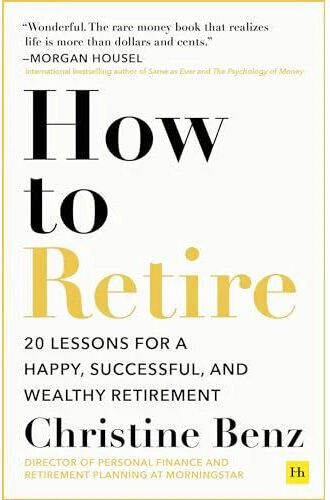
Harriman House How to Retire: 20 Lessons for a Happy, Successful, and Wealthy Retirement by Christine Benz - Paperback - Morningstar Retirement Planning GuideDiscover practical guidance for a happy, successful, and wealthy retirement with How to Retire: 20 Lessons for a Happy, Wealthy Retirement by Christine Benz. This non-fiction paperback, published by Harriman House, offers a collection of insights from twenty leading retirement thinkers. Drawing on interviews with these experts, Christine Benz distills the financial and lifestyle wisdom needed to navigate retirement with confidence. The book is essential reading for anyone approaching or already in retirement, or advising clients on making the most of their later years. Retirement is a profound life transition, and this book tackles both the financial and personal aspects with equal rigor. Rather than offering a single formula, Benz gathered the one lesson each of the twenty retirement thought leaders believe matters most for a successful retirement, resulting in a rich and varied collection of insights.11,99 £*Shipping: 2,99 £Secure redirect to the provider
-
Plata Publishing Rich Dad's Guide to Investing: What the Rich Invest In by Robert T. Kiyosaki - Paperback Personal Finance & Investing BookRich Dad's Guide to Investing: What the Rich Invest In is Robert T. Kiyosaki's essential companion to Rich Dad Poor Dad. This book takes readers deeper into the mindset and mechanics of building real wealth, focusing on active investing and how ordinary people can adopt the habits of the wealthy to escape the paycheck cycle. At the heart of this book is a simple but powerful distinction: passive investing versus active investing. Kiyosaki argues that true financial freedom comes from becoming an engaged investor who takes control of their financial future. This paperback is a valuable resource for anyone ready to move beyond saving and into investing, whether a beginner or someone already dabbling in stocks and property. Published by Plata Publishing, this book is aimed at adults and is a great companion to Rich Dad Poor Dad.10,99 £*Shipping: 2,99 £Secure redirect to the provider



-
What is a conscience?
A conscience is an inner sense of what is right or wrong, guiding our actions and decisions. It is a moral compass that helps us navigate ethical dilemmas and make choices that align with our values and beliefs. Our conscience is shaped by our upbringing, culture, and personal experiences, and it serves as a mechanism for self-reflection and moral judgment. **
-
What are conscience manipulations?
Conscience manipulations refer to tactics or techniques used to influence or control someone's moral beliefs, values, or sense of right and wrong. This can involve exploiting guilt, fear, or shame to make someone act in a certain way or to suppress their own judgment. Conscience manipulations can be used in various contexts, such as in relationships, politics, or advertising, to sway individuals to behave in a particular manner that benefits the manipulator. It is important to be aware of these manipulations and to critically evaluate the motivations behind them. **
-
Is a guilty conscience temporary?
A guilty conscience can be temporary or long-lasting, depending on the individual and the situation. Some people may feel guilty for a short period of time and then move on, while others may struggle with feelings of guilt for a much longer period. It often depends on how the person processes and deals with their feelings of guilt, as well as whether they take steps to address and resolve the situation that caused the guilt in the first place. **
-
Is conscience innate or taught?
The question of whether conscience is innate or taught is a complex one with differing perspectives. Some argue that conscience is innate, suggesting that humans are born with a sense of right and wrong. Others believe that conscience is shaped through socialization and learning from one's environment. It is likely that both nature and nurture play a role in the development of conscience, with biological factors interacting with social and cultural influences to shape an individual's moral compass. **
Is a guilty conscience understandable?
Yes, a guilty conscience is understandable because it is a natural response to realizing that one has done something wrong or harmful. Feeling guilty can be a sign of empathy, self-awareness, and a desire to make amends for one's actions. It shows that a person is reflecting on their behavior and taking responsibility for their mistakes. **
What is the silenced conscience?
The silenced conscience refers to the inner moral compass or sense of right and wrong that is ignored or suppressed. When a person's conscience is silenced, they may choose to ignore their values or ethical beliefs in order to justify their actions. This can lead to feelings of guilt, shame, or inner conflict. It is important to listen to our conscience and act in alignment with our values to maintain integrity and inner peace. **
Top-Angebote
Products related to Conscience:
-
Cassell You're Not Broke You're Pre-Rich by Emilie Bellet - Paperback Personal Finance Guide for Adults - Budgeting, Saving & Investing Made SimpleGet straight-talking advice on personal finance with Emilie Bellet's guide to budgeting, saving, and investing. This practical book, designed for adults, helps you take charge of your finances and build lasting financial wellbeing, one manageable step at a time. Written by the founder of Vestpod, it distills years of expertise into an indispensable manual for anyone looking to simplify their finances and achieve financial confidence.6,99 £*Shipping: 2,99 £Secure redirect to the provider
-
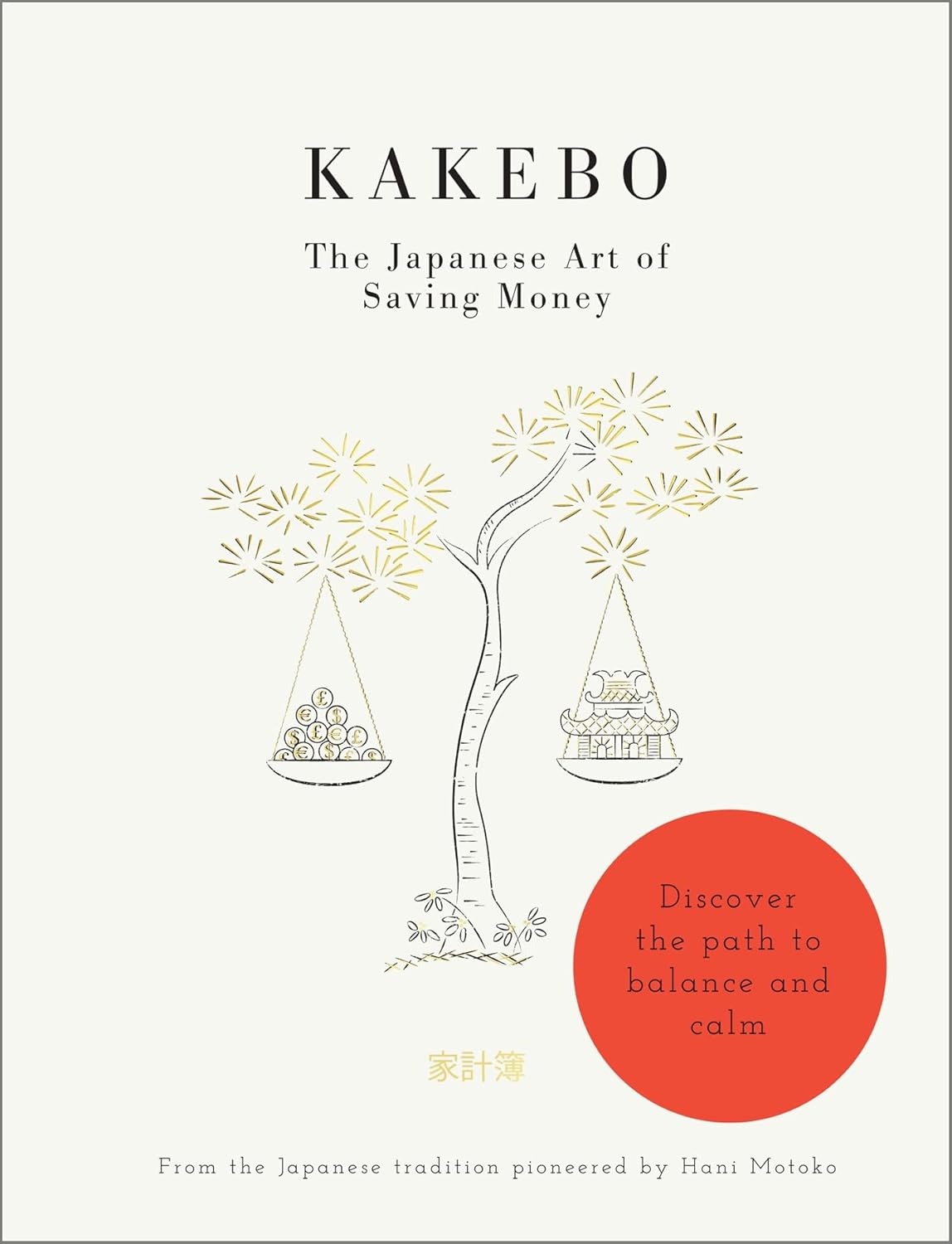
Short Books Kakebo: The Japanese Art of Saving Money by Hani Motoko - Paperback Budgeting Journal - Money Management Non Fiction GiftDiscover the Japanese art of saving money with Kakebo, a century-old budgeting journal brought to modern readers. Created by pioneering journalist Hani Motoko, this practical guide helps you set monthly savings goals, track weekly spending, and reflect on your relationship with money. It's an accessible alternative to budgeting apps, ideal for building lasting financial habits. Kakebo, which simply means 'household account book', distils a Japanese budgeting tradition that dates back to 1904. The beautifully produced paperback allows you to note your income, fixed outgoings, and savings target at the start of each month, then log spending across simple categories each week before tallying everything up.5,99 £*Shipping: 2,99 £Secure redirect to the provider
-
Do parents influence our conscience or are they our conscience?
Parents play a significant role in shaping our conscience by instilling values, morals, and ethical principles from a young age. However, our conscience is ultimately a combination of various influences, including societal norms, personal experiences, and individual reflection. While parents can have a strong influence on our conscience, it is also shaped by our own choices and interactions with the world around us. **
-
How is conscience formed?
Conscience is formed through a combination of upbringing, societal norms, personal experiences, and moral teachings. It is shaped by the values and beliefs instilled in us by our families, communities, and cultures. Our conscience develops as we learn to distinguish between right and wrong, and it guides our decision-making by helping us understand the consequences of our actions. Ultimately, conscience is a reflection of our internal moral compass, which evolves over time based on our interactions with the world around us. **
-
What is a conscience?
A conscience is an inner sense of what is right or wrong, guiding our actions and decisions. It is a moral compass that helps us navigate ethical dilemmas and make choices that align with our values and beliefs. Our conscience is shaped by our upbringing, culture, and personal experiences, and it serves as a mechanism for self-reflection and moral judgment. **
-
What are conscience manipulations?
Conscience manipulations refer to tactics or techniques used to influence or control someone's moral beliefs, values, or sense of right and wrong. This can involve exploiting guilt, fear, or shame to make someone act in a certain way or to suppress their own judgment. Conscience manipulations can be used in various contexts, such as in relationships, politics, or advertising, to sway individuals to behave in a particular manner that benefits the manipulator. It is important to be aware of these manipulations and to critically evaluate the motivations behind them. **
Similar search terms for Conscience
-
Harriman House How to Retire: 20 Lessons for a Happy, Successful, and Wealthy Retirement by Christine Benz - Paperback - Morningstar Retirement Planning GuideDiscover practical guidance for a happy, successful, and wealthy retirement with How to Retire: 20 Lessons for a Happy, Wealthy Retirement by Christine Benz. This non-fiction paperback, published by Harriman House, offers a collection of insights from twenty leading retirement thinkers. Drawing on interviews with these experts, Christine Benz distills the financial and lifestyle wisdom needed to navigate retirement with confidence. The book is essential reading for anyone approaching or already in retirement, or advising clients on making the most of their later years. Retirement is a profound life transition, and this book tackles both the financial and personal aspects with equal rigor. Rather than offering a single formula, Benz gathered the one lesson each of the twenty retirement thought leaders believe matters most for a successful retirement, resulting in a rich and varied collection of insights.11,99 £*Shipping: 2,99 £Secure redirect to the provider
-
Plata Publishing Rich Dad's Guide to Investing: What the Rich Invest In by Robert T. Kiyosaki - Paperback Personal Finance & Investing BookRich Dad's Guide to Investing: What the Rich Invest In is Robert T. Kiyosaki's essential companion to Rich Dad Poor Dad. This book takes readers deeper into the mindset and mechanics of building real wealth, focusing on active investing and how ordinary people can adopt the habits of the wealthy to escape the paycheck cycle. At the heart of this book is a simple but powerful distinction: passive investing versus active investing. Kiyosaki argues that true financial freedom comes from becoming an engaged investor who takes control of their financial future. This paperback is a valuable resource for anyone ready to move beyond saving and into investing, whether a beginner or someone already dabbling in stocks and property. Published by Plata Publishing, this book is aimed at adults and is a great companion to Rich Dad Poor Dad.10,99 £*Shipping: 2,99 £Secure redirect to the provider
-
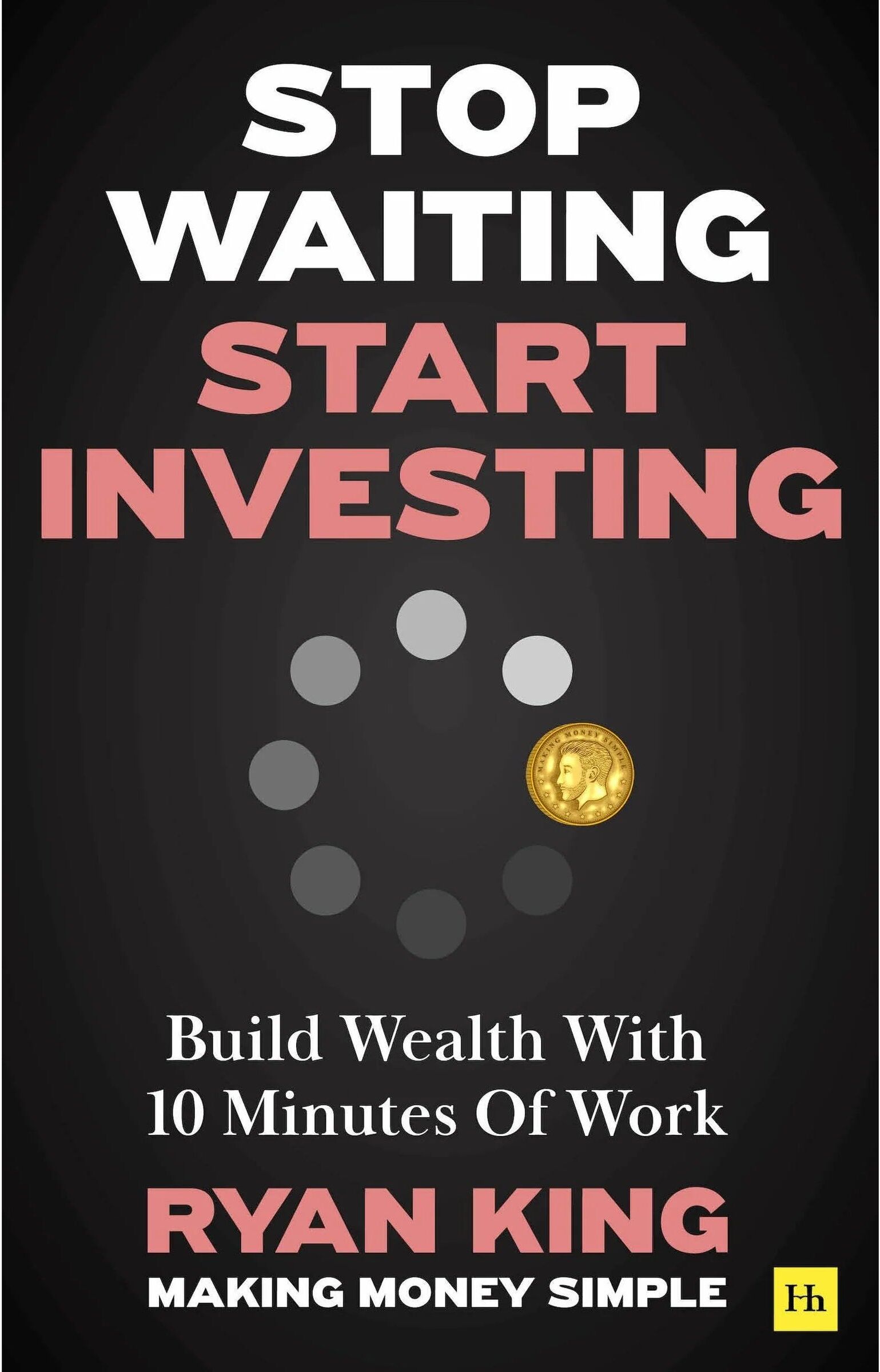
Harriman House Stop Waiting, Start Investing by Ryan King - Paperback Investing Guide - Build Wealth With 10 Minutes Of Work - Personal Finance BookBuild wealth with just 10 minutes of work a day using the stock market with this practical guide. Written by finance content creator and chartered accountant Ryan King, the book offers a simple, passive, automated approach to investing that fits around a busy life. Whether you're starting from scratch or refining an existing strategy, you'll be given the tools and confidence to take control of your financial future. This book directly addresses common hesitations about investing, guiding you step by step through the fundamentals of stock market investing in clear, accessible language. Ryan King draws on his own experience and expertise to provide a beginner-friendly guide to building long-term wealth.11,99 £*Shipping: 2,99 £Secure redirect to the provider
-
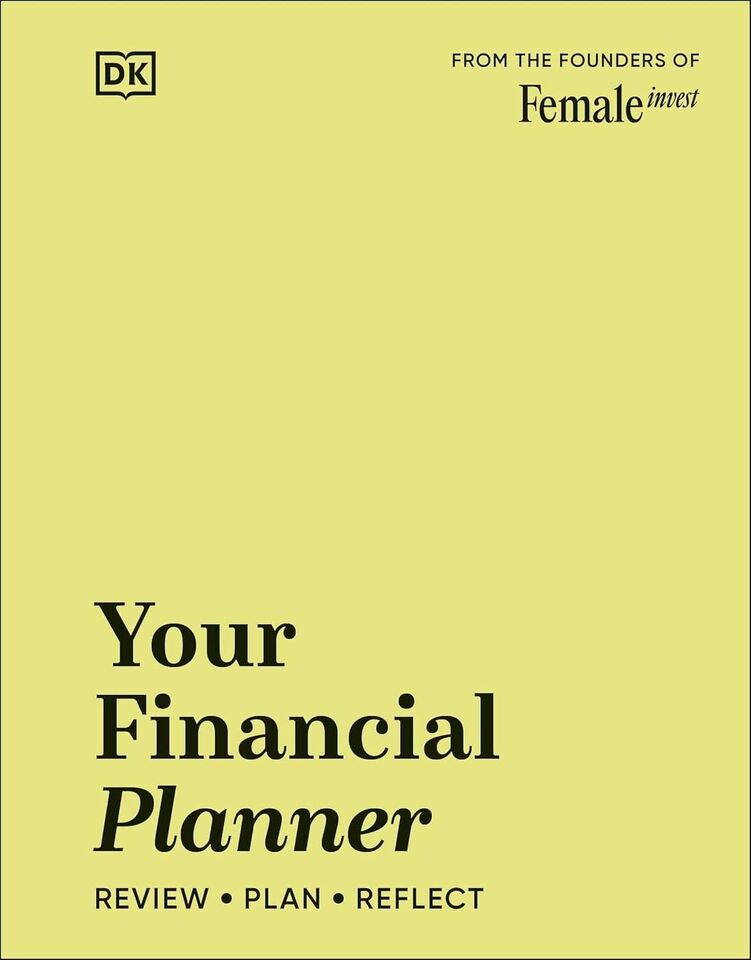
DK Your Financial Planner: Review, Plan, Reflect by Camilla Falkenberg - Female Invest Paperback Budgeting Workbook, Non-FictionYour Financial Planner: Review, Plan, Reflect is a hands-on companion from the founders of Female Invest, a platform that has helped millions of women take control of their money. This interactive planner builds on their bestselling guide to investing, turning financial theory into practical action. It's packed with worksheets, budgeting exercises, and goal-setting prompts to help readers save with purpose, invest with confidence, and build lasting financial independence. Written by Camilla Falkenberg, Emma Due Bitz, and Anna-Sophie Hartvigsen, the authors of the Female Invest movement, this planner provides the tools to put financial knowledge into practice. The book is suitable for adults (18+).4,99 £*Shipping: 2,99 £Secure redirect to the provider
-
Is a guilty conscience temporary?
A guilty conscience can be temporary or long-lasting, depending on the individual and the situation. Some people may feel guilty for a short period of time and then move on, while others may struggle with feelings of guilt for a much longer period. It often depends on how the person processes and deals with their feelings of guilt, as well as whether they take steps to address and resolve the situation that caused the guilt in the first place. **
-
Is conscience innate or taught?
The question of whether conscience is innate or taught is a complex one with differing perspectives. Some argue that conscience is innate, suggesting that humans are born with a sense of right and wrong. Others believe that conscience is shaped through socialization and learning from one's environment. It is likely that both nature and nurture play a role in the development of conscience, with biological factors interacting with social and cultural influences to shape an individual's moral compass. **
-
Is a guilty conscience understandable?
Yes, a guilty conscience is understandable because it is a natural response to realizing that one has done something wrong or harmful. Feeling guilty can be a sign of empathy, self-awareness, and a desire to make amends for one's actions. It shows that a person is reflecting on their behavior and taking responsibility for their mistakes. **
-
What is the silenced conscience?
The silenced conscience refers to the inner moral compass or sense of right and wrong that is ignored or suppressed. When a person's conscience is silenced, they may choose to ignore their values or ethical beliefs in order to justify their actions. This can lead to feelings of guilt, shame, or inner conflict. It is important to listen to our conscience and act in alignment with our values to maintain integrity and inner peace. **
* All prices are inclusive of VAT and, if applicable, plus shipping costs. The offer information is based on the details provided by the respective shop and is updated through automated processes. Real-time updates do not occur, so deviations can occur in individual cases. ** Note: Parts of this content were created by AI.