Buy financetip.eu ?
We are moving the project
financetip.eu .
Are you interested in purchasing the domain
financetip.eu ?
domain@kv-gmbh.de · 0541-91531010
Buy financetip.eu ?
Is Romania Slavic?
No, Romania is not a Slavic country. The majority of the population in Romania is of Romanian ethnicity, and the official language is Romanian, which is a Romance language. The Slavic people are primarily found in countries such as Russia, Ukraine, and Poland. While Romania has been influenced by Slavic culture and history, it is not considered a Slavic country. **
Are Austrians Slavic?
No, Austrians are not Slavic. The majority of Austrians are of Germanic descent, with a significant minority of people from other ethnic backgrounds. The Slavic population in Austria is relatively small, primarily concentrated in the southern regions of the country near the border with Slovenia. Therefore, while there is some Slavic influence in Austria, the majority of the population is not of Slavic descent. **


Similar search terms for Slavic
Top-Angebote
Products related to Slavic:
-
Penguin Rule #1: The Simple Strategy for Successful Investing in Only 15 Minutes a WeekPhil Town doesn't think so. He made a fortune, and in Rule #1 he'll show you how he did it.Rule #1:- Sets out the five key numbers that really count when you're buying stocks and shares- Explains how to use new Internet tools to simplify research- Shows how to exploit the advantages of being an individual investor- Demonstrates how to pay fifty pence for every pound's worth of business6,70 £*Shipping: 2,99 £Secure redirect to the provider
-
Plata Publishing Rich Dad’s Cashflow Quadrant – Robert T. Kiyosaki Guide to Financial Freedom, Investing & Wealth BuildingDiscover why some people work harder for money while others make money work for them with Rich Dad’s Cashflow Quadrant by Robert T. Kiyosaki. In this powerful follow-up to Rich Dad Poor Dad, Kiyosaki introduces the Cashflow Quadrant, a simple yet transformative framework that explains the four ways people earn income: Employee (E), Self-Employed (S), Business Owner (B), and Investor (I). The book reveals why true financial freedom is most often found on the B and I side of the quadrant. Through real-world examples and practical insights, Kiyosaki teaches readers how to shift their mindset, reduce financial risk, and build sustainable wealth through business ownership and investing. This book focuses on financial intelligence, passive income, and long-term wealth creation, rather than short-term gains. What You’ll Learn: The meaning of the Cashflow Quadrant (E, S, B, I) Why employees and self-employed people face financial limits How business owners and investors build passive income The mindset shifts required for financial independence How to move from job-based income to asset-based income Ideal for anyone serious about financial freedom, investing, and entrepreneurship, Rich Dad’s Cashflow Quadrant is a must-read personal finance classic.4,99 £*Shipping: 1,99 £Secure redirect to the provider
-
Perfect Picks Market Portable Outdoor Solar Fire Starter Card Credit Card Sized Fresnel Lens Survival Tool Portable Outdoor Solar Fire Starter Card Credit Card Sized Fresnel Lens Survival ToolImagine having reliable fire anywhere the sun shines without matches or fuel. The solar fire starter card is a compact, walletfriendly survival essential that harnesses the power of sunshine to ignite tinder fast. Designed for campers, hikers, and...29,97 $*Shipping: 0,00 $Secure redirect to the provider
-
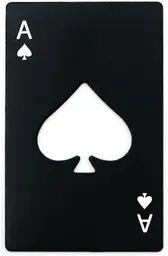
Uplifted Finds Stainless Steel Credit Card Size Bottle Opener Playing Card Design blackOpen bottles in style with this sleek stainless steel bottle opener designed in a credit card size with a unique playing card design. The slim, durable metal fits easily into your wallet or travel bag, making it perfect for outdoor events, parties,...61,97 $*Shipping: 0,00 $Secure redirect to the provider




-
Do you see right away that Slavic people are also Slavic?
No, it is not always immediately obvious that someone is Slavic just by looking at them. Slavic people come from a diverse range of countries and regions, and their physical appearances can vary widely. While some Slavic people may have common physical features, such as fair skin and light hair, there is no single "Slavic look" that can be used to identify someone as Slavic. It is important to remember that ethnicity and nationality are complex and multifaceted, and cannot be determined solely based on appearance. **
-
What are Slavic countries?
Slavic countries are nations in Eastern Europe and parts of Central Europe that are predominantly inhabited by people of Slavic descent. These countries share cultural, linguistic, and historical ties stemming from the Slavic ethnic group. Some examples of Slavic countries include Russia, Poland, Ukraine, Czech Republic, and Serbia. The Slavic languages, which are part of the larger Indo-European language family, are spoken in these countries and form a common thread among them. **
-
Is Slavic mythology underestimated?
Slavic mythology is often overlooked and underestimated in comparison to other mythologies such as Greek or Norse. This may be due to a lack of widespread knowledge and understanding of Slavic mythology outside of Eastern Europe. However, Slavic mythology is rich in folklore, deities, and epic tales that deserve more recognition and appreciation. As interest in diverse mythologies grows, there is an opportunity for Slavic mythology to receive the attention and respect it deserves. **
-
Do I have Slavic roots?
Without more specific information about your family history and genealogy, it is difficult to definitively determine if you have Slavic roots. Slavic people are an ethnic group native to Eastern Europe, so if your ancestors come from countries such as Russia, Poland, Ukraine, Czech Republic, or other Slavic nations, it is possible that you have Slavic roots. Researching your family history, speaking with relatives, and possibly taking a DNA test could provide more insight into your ancestry and whether you have Slavic heritage. **

Are Austrians Germanic or Slavic?
Austrians are considered to be primarily Germanic. The majority of the population in Austria speaks German as their first language and shares cultural and historical ties with other Germanic-speaking countries. However, due to its location in Central Europe, Austria has also been influenced by Slavic cultures, particularly in regions bordering countries like Slovenia and the Czech Republic. **
What is anti-Slavic racism?
Anti-Slavic racism refers to prejudice, discrimination, or hostility directed towards individuals of Slavic descent. This form of racism is based on negative stereotypes, misconceptions, and generalizations about Slavic people, often portraying them as inferior or undesirable. Anti-Slavic racism can manifest in various ways, such as hate speech, violence, or systemic discrimination targeting Slavic communities. It is important to recognize and challenge anti-Slavic racism to promote equality, understanding, and respect for all individuals regardless of their ethnic background. **
Top-Angebote
Products related to Slavic:
-
Penguin Rule #1: The Simple Strategy for Successful Investing in Only 15 Minutes a WeekPhil Town doesn't think so. He made a fortune, and in Rule #1 he'll show you how he did it.Rule #1:- Sets out the five key numbers that really count when you're buying stocks and shares- Explains how to use new Internet tools to simplify research- Shows how to exploit the advantages of being an individual investor- Demonstrates how to pay fifty pence for every pound's worth of business6,70 £*Shipping: 2,99 £Secure redirect to the provider
-
Plata Publishing Rich Dad’s Cashflow Quadrant – Robert T. Kiyosaki Guide to Financial Freedom, Investing & Wealth BuildingDiscover why some people work harder for money while others make money work for them with Rich Dad’s Cashflow Quadrant by Robert T. Kiyosaki. In this powerful follow-up to Rich Dad Poor Dad, Kiyosaki introduces the Cashflow Quadrant, a simple yet transformative framework that explains the four ways people earn income: Employee (E), Self-Employed (S), Business Owner (B), and Investor (I). The book reveals why true financial freedom is most often found on the B and I side of the quadrant. Through real-world examples and practical insights, Kiyosaki teaches readers how to shift their mindset, reduce financial risk, and build sustainable wealth through business ownership and investing. This book focuses on financial intelligence, passive income, and long-term wealth creation, rather than short-term gains. What You’ll Learn: The meaning of the Cashflow Quadrant (E, S, B, I) Why employees and self-employed people face financial limits How business owners and investors build passive income The mindset shifts required for financial independence How to move from job-based income to asset-based income Ideal for anyone serious about financial freedom, investing, and entrepreneurship, Rich Dad’s Cashflow Quadrant is a must-read personal finance classic.4,99 £*Shipping: 1,99 £Secure redirect to the provider
-
Is Romania Slavic?
No, Romania is not a Slavic country. The majority of the population in Romania is of Romanian ethnicity, and the official language is Romanian, which is a Romance language. The Slavic people are primarily found in countries such as Russia, Ukraine, and Poland. While Romania has been influenced by Slavic culture and history, it is not considered a Slavic country. **
-
Are Austrians Slavic?
No, Austrians are not Slavic. The majority of Austrians are of Germanic descent, with a significant minority of people from other ethnic backgrounds. The Slavic population in Austria is relatively small, primarily concentrated in the southern regions of the country near the border with Slovenia. Therefore, while there is some Slavic influence in Austria, the majority of the population is not of Slavic descent. **
-
Do you see right away that Slavic people are also Slavic?
No, it is not always immediately obvious that someone is Slavic just by looking at them. Slavic people come from a diverse range of countries and regions, and their physical appearances can vary widely. While some Slavic people may have common physical features, such as fair skin and light hair, there is no single "Slavic look" that can be used to identify someone as Slavic. It is important to remember that ethnicity and nationality are complex and multifaceted, and cannot be determined solely based on appearance. **
-
What are Slavic countries?
Slavic countries are nations in Eastern Europe and parts of Central Europe that are predominantly inhabited by people of Slavic descent. These countries share cultural, linguistic, and historical ties stemming from the Slavic ethnic group. Some examples of Slavic countries include Russia, Poland, Ukraine, Czech Republic, and Serbia. The Slavic languages, which are part of the larger Indo-European language family, are spoken in these countries and form a common thread among them. **
Similar search terms for Slavic
-
Perfect Picks Market Portable Outdoor Solar Fire Starter Card Credit Card Sized Fresnel Lens Survival Tool Portable Outdoor Solar Fire Starter Card Credit Card Sized Fresnel Lens Survival ToolImagine having reliable fire anywhere the sun shines without matches or fuel. The solar fire starter card is a compact, walletfriendly survival essential that harnesses the power of sunshine to ignite tinder fast. Designed for campers, hikers, and...29,97 $*Shipping: 0,00 $Secure redirect to the provider
-
Uplifted Finds Stainless Steel Credit Card Size Bottle Opener Playing Card Design blackOpen bottles in style with this sleek stainless steel bottle opener designed in a credit card size with a unique playing card design. The slim, durable metal fits easily into your wallet or travel bag, making it perfect for outdoor events, parties,...61,97 $*Shipping: 0,00 $Secure redirect to the provider
-
Uplifted Trends Stainless Steel Playing Cards Bottle Opener Credit Card Beer Opener blackUnlock the fun with our Stainless Steel Playing Cards Bottle Opener, designed for both style and function. Whether you're a winemaker, beer enthusiast, or lover of unique bar tools, this opener is perfect for you. Crafted from highquality stainless...29,97 $*Shipping: 0,00 $Secure redirect to the provider
-
Summersdale Publishers The Little Book of Senior Moments, The Little Book of Retirement, The Senior Moments Puzzle 3 Books Collection SetTitles in the Set Are: The Little Book of Senior Moments The Little Book of Retirement The Senior Moments Puzzle Book The Little Book of Senior Moments You know you are having a senior moment when you decide it is time to pull up your socks, and realise you forgot to put any on If this sounds all too familiar, read on to discover whether your marbles just need a spring clean or you've well and truly lost them. The Little Book of Retirement You know you are retired when People from work keep phoning up asking where on earth you put important documents. The joys of retirement are many and varied, so read on to discover what makes these golden years so golden. The Senior Moments Puzzle Book Instead of wracking your brain for something to do, challenge your mind and have hours of fun with this delightful puzzle book. With everything from tricky crosswords, word searches, anagram puzzles and sudokus to simpler brain-teasers such as spot the differences, mazes and trivia questions, this large book edition means you will not even need your glasses wherever you put them.9,95 £*Shipping: 2,99 £Secure redirect to the provider
-
Is Slavic mythology underestimated?
Slavic mythology is often overlooked and underestimated in comparison to other mythologies such as Greek or Norse. This may be due to a lack of widespread knowledge and understanding of Slavic mythology outside of Eastern Europe. However, Slavic mythology is rich in folklore, deities, and epic tales that deserve more recognition and appreciation. As interest in diverse mythologies grows, there is an opportunity for Slavic mythology to receive the attention and respect it deserves. **
-
Do I have Slavic roots?
Without more specific information about your family history and genealogy, it is difficult to definitively determine if you have Slavic roots. Slavic people are an ethnic group native to Eastern Europe, so if your ancestors come from countries such as Russia, Poland, Ukraine, Czech Republic, or other Slavic nations, it is possible that you have Slavic roots. Researching your family history, speaking with relatives, and possibly taking a DNA test could provide more insight into your ancestry and whether you have Slavic heritage. **
-
Are Austrians Germanic or Slavic?
Austrians are considered to be primarily Germanic. The majority of the population in Austria speaks German as their first language and shares cultural and historical ties with other Germanic-speaking countries. However, due to its location in Central Europe, Austria has also been influenced by Slavic cultures, particularly in regions bordering countries like Slovenia and the Czech Republic. **
-
What is anti-Slavic racism?
Anti-Slavic racism refers to prejudice, discrimination, or hostility directed towards individuals of Slavic descent. This form of racism is based on negative stereotypes, misconceptions, and generalizations about Slavic people, often portraying them as inferior or undesirable. Anti-Slavic racism can manifest in various ways, such as hate speech, violence, or systemic discrimination targeting Slavic communities. It is important to recognize and challenge anti-Slavic racism to promote equality, understanding, and respect for all individuals regardless of their ethnic background. **
* All prices are inclusive of VAT and, if applicable, plus shipping costs. The offer information is based on the details provided by the respective shop and is updated through automated processes. Real-time updates do not occur, so deviations can occur in individual cases. ** Note: Parts of this content were created by AI.