Buy financetip.eu ?
We are moving the project
financetip.eu .
Are you interested in purchasing the domain
financetip.eu ?
domain@kv-gmbh.de · 0541-91531010
Buy financetip.eu ?
The phono grounding cable is crackling.
The crackling sound in the phono grounding cable could be caused by a few different issues. It could be due to a loose connection or a damaged cable, which is causing interference and creating the crackling noise. It's important to check the connections and the condition of the cable to identify and resolve the issue. Additionally, using a different grounding cable or cleaning the connections may also help eliminate the crackling sound. **
Is the phono aux input not working?
To determine if the phono aux input is not working, first check if the input source is properly connected to the phono input on the device. Ensure that the correct input source is selected on the device and that the volume is turned up. If the issue persists, try using a different audio cable or testing the input with another device to see if the problem is with the input or the source. If the phono aux input still does not work, there may be a hardware issue that requires professional inspection and repair. **


Similar search terms for Phono
Top-Angebote
Products related to Phono:
-
Penguin Rule #1: The Simple Strategy for Successful Investing in Only 15 Minutes a WeekPhil Town doesn't think so. He made a fortune, and in Rule #1 he'll show you how he did it.Rule #1:- Sets out the five key numbers that really count when you're buying stocks and shares- Explains how to use new Internet tools to simplify research- Shows how to exploit the advantages of being an individual investor- Demonstrates how to pay fifty pence for every pound's worth of business6,70 £*Shipping: 2,99 £Secure redirect to the provider
-
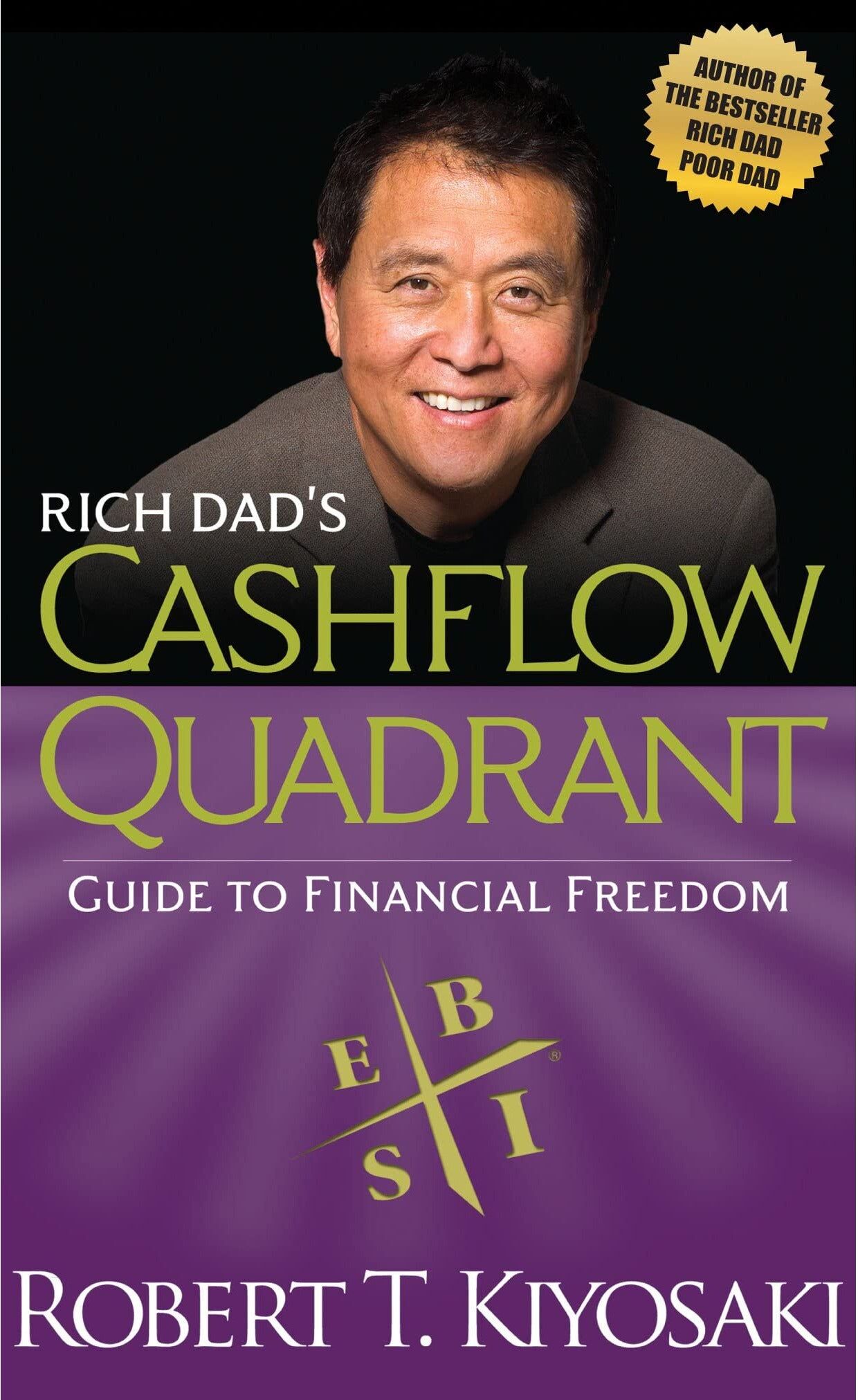
Plata Publishing Rich Dad’s Cashflow Quadrant – Robert T. Kiyosaki Guide to Financial Freedom, Investing & Wealth BuildingDiscover why some people work harder for money while others make money work for them with Rich Dad’s Cashflow Quadrant by Robert T. Kiyosaki. In this powerful follow-up to Rich Dad Poor Dad, Kiyosaki introduces the Cashflow Quadrant, a simple yet transformative framework that explains the four ways people earn income: Employee (E), Self-Employed (S), Business Owner (B), and Investor (I). The book reveals why true financial freedom is most often found on the B and I side of the quadrant. Through real-world examples and practical insights, Kiyosaki teaches readers how to shift their mindset, reduce financial risk, and build sustainable wealth through business ownership and investing. This book focuses on financial intelligence, passive income, and long-term wealth creation, rather than short-term gains. What You’ll Learn: The meaning of the Cashflow Quadrant (E, S, B, I) Why employees and self-employed people face financial limits How business owners and investors build passive income The mindset shifts required for financial independence How to move from job-based income to asset-based income Ideal for anyone serious about financial freedom, investing, and entrepreneurship, Rich Dad’s Cashflow Quadrant is a must-read personal finance classic.4,99 £*Shipping: 1,99 £Secure redirect to the provider



-
What is the difference between Line and Phono?
The main difference between Line and Phono inputs is the level of signal they are designed to handle. Line inputs are designed for devices that output a higher level signal, such as CD players, tape decks, and other line-level audio sources. Phono inputs, on the other hand, are specifically designed for turntables, which output a much lower level signal that has been equalized to compensate for the characteristics of vinyl records. Phono inputs also apply a specific equalization curve called the RIAA curve to the signal, which is necessary for accurate playback of vinyl records. **
-
Why is my phono input making a noise?
Your phono input may be making a noise due to a variety of reasons. It could be caused by a ground loop, which occurs when there are multiple paths to ground in the audio system, resulting in interference and noise. Another potential cause could be a faulty or damaged cable, which can introduce interference and cause noise in the signal. Additionally, the noise could be a result of a problem with the phono preamp or the turntable itself. It's important to troubleshoot and identify the specific cause of the noise in order to address and resolve the issue. **
-
Is there a GDR radio with a phono input?
Yes, there were GDR radios with a phono input. These radios were designed to allow users to connect their record players or other audio devices with a phono output to the radio for playback. The phono input on these radios allowed for a direct connection, providing a convenient way to listen to music through the radio's speakers. **
-
What do these two symbols on the phono preamplifier mean?
The symbol on the left represents a ground connection, indicating that the phono preamplifier should be properly grounded to reduce interference and noise. The symbol on the right represents a power connection, indicating that the preamplifier requires a power source to operate. These symbols are commonly found on audio equipment to provide guidance on how to properly connect and power the device. **


How do I connect an old radio using the phono input?
To connect an old radio to a device using a phono input, you will need a phono preamp. The phono preamp will amplify the signal from the radio to a level that can be properly played through the phono input. Simply connect the output of the old radio to the input of the phono preamp, and then connect the output of the preamp to the phono input on your device. Adjust the volume levels as needed and enjoy your music from the old radio through the phono input. **
Which input should I use, the phono input or the line input?
If you are connecting a turntable, you should use the phono input on your receiver or amplifier. The phono input is specifically designed to work with the low-level signal produced by a turntable's cartridge. If you are connecting a device such as a CD player, smartphone, or computer, you should use the line input. The line input is designed for higher-level audio signals and will provide the best sound quality for these devices. **
Top-Angebote
Products related to Phono:
-
Lindy 2m Premium 2x Phono (RCA) to 3.5mm Stereo Audio CableThe Lindy Phono to 3.5mm cable is ideal for connecting portable devices with a 3.5mm socket to Hi-fi separates or a sound bar or to your TV. The cable can be used in either direction and is available at distances up to 20m. Every cable is 100% performance tested and comes with the Lindy no surprises guarantee.14,99 £*Shipping: 0,00 £Secure redirect to the provider
-
Lindy 70460 500m Cat.6 Stereo Phono Audio Extender, Transmitter and Receiver PairA pair of compact passive units that extend a stereo phono (RCA) audio signal over a single standard Cat.5e or Cat.6 network cable, with no external power required. Each unit has pigtail-style phono plugs and an RJ-45 socket, so no additional audio cables are needed, and either unit can act as the transmitter or receiver. Lindy currently rates it for distances up to 500m over Cat.6 (earlier specifications stated 100m). Two-year warranty.31,49 £*Shipping: 0,00 £Secure redirect to the provider
-
The phono grounding cable is crackling.
The crackling sound in the phono grounding cable could be caused by a few different issues. It could be due to a loose connection or a damaged cable, which is causing interference and creating the crackling noise. It's important to check the connections and the condition of the cable to identify and resolve the issue. Additionally, using a different grounding cable or cleaning the connections may also help eliminate the crackling sound. **
-
Is the phono aux input not working?
To determine if the phono aux input is not working, first check if the input source is properly connected to the phono input on the device. Ensure that the correct input source is selected on the device and that the volume is turned up. If the issue persists, try using a different audio cable or testing the input with another device to see if the problem is with the input or the source. If the phono aux input still does not work, there may be a hardware issue that requires professional inspection and repair. **
-
What is the difference between Line and Phono?
The main difference between Line and Phono inputs is the level of signal they are designed to handle. Line inputs are designed for devices that output a higher level signal, such as CD players, tape decks, and other line-level audio sources. Phono inputs, on the other hand, are specifically designed for turntables, which output a much lower level signal that has been equalized to compensate for the characteristics of vinyl records. Phono inputs also apply a specific equalization curve called the RIAA curve to the signal, which is necessary for accurate playback of vinyl records. **
-
Why is my phono input making a noise?
Your phono input may be making a noise due to a variety of reasons. It could be caused by a ground loop, which occurs when there are multiple paths to ground in the audio system, resulting in interference and noise. Another potential cause could be a faulty or damaged cable, which can introduce interference and cause noise in the signal. Additionally, the noise could be a result of a problem with the phono preamp or the turntable itself. It's important to troubleshoot and identify the specific cause of the noise in order to address and resolve the issue. **
Similar search terms for Phono
-
Penguin Rule #1: The Simple Strategy for Successful Investing in Only 15 Minutes a WeekPhil Town doesn't think so. He made a fortune, and in Rule #1 he'll show you how he did it.Rule #1:- Sets out the five key numbers that really count when you're buying stocks and shares- Explains how to use new Internet tools to simplify research- Shows how to exploit the advantages of being an individual investor- Demonstrates how to pay fifty pence for every pound's worth of business6,70 £*Shipping: 2,99 £Secure redirect to the provider
-
Plata Publishing Rich Dad’s Cashflow Quadrant – Robert T. Kiyosaki Guide to Financial Freedom, Investing & Wealth BuildingDiscover why some people work harder for money while others make money work for them with Rich Dad’s Cashflow Quadrant by Robert T. Kiyosaki. In this powerful follow-up to Rich Dad Poor Dad, Kiyosaki introduces the Cashflow Quadrant, a simple yet transformative framework that explains the four ways people earn income: Employee (E), Self-Employed (S), Business Owner (B), and Investor (I). The book reveals why true financial freedom is most often found on the B and I side of the quadrant. Through real-world examples and practical insights, Kiyosaki teaches readers how to shift their mindset, reduce financial risk, and build sustainable wealth through business ownership and investing. This book focuses on financial intelligence, passive income, and long-term wealth creation, rather than short-term gains. What You’ll Learn: The meaning of the Cashflow Quadrant (E, S, B, I) Why employees and self-employed people face financial limits How business owners and investors build passive income The mindset shifts required for financial independence How to move from job-based income to asset-based income Ideal for anyone serious about financial freedom, investing, and entrepreneurship, Rich Dad’s Cashflow Quadrant is a must-read personal finance classic.4,99 £*Shipping: 1,99 £Secure redirect to the provider
-
Perfect Picks Market Portable Outdoor Solar Fire Starter Card Credit Card Sized Fresnel Lens Survival Tool Portable Outdoor Solar Fire Starter Card Credit Card Sized Fresnel Lens Survival ToolImagine having reliable fire anywhere the sun shines without matches or fuel. The solar fire starter card is a compact, walletfriendly survival essential that harnesses the power of sunshine to ignite tinder fast. Designed for campers, hikers, and...29,97 $*Shipping: 0,00 $Secure redirect to the provider
-
Uplifted Trends Stainless Steel Playing Cards Bottle Opener Credit Card Beer Opener silverUnlock the fun with our Stainless Steel Playing Cards Bottle Opener, designed for both style and function. Whether you're a winemaker, beer enthusiast, or lover of unique bar tools, this opener is perfect for you. Crafted from highquality stainless...29,97 $*Shipping: 0,00 $Secure redirect to the provider
-
Is there a GDR radio with a phono input?
Yes, there were GDR radios with a phono input. These radios were designed to allow users to connect their record players or other audio devices with a phono output to the radio for playback. The phono input on these radios allowed for a direct connection, providing a convenient way to listen to music through the radio's speakers. **
-
What do these two symbols on the phono preamplifier mean?
The symbol on the left represents a ground connection, indicating that the phono preamplifier should be properly grounded to reduce interference and noise. The symbol on the right represents a power connection, indicating that the preamplifier requires a power source to operate. These symbols are commonly found on audio equipment to provide guidance on how to properly connect and power the device. **
-
How do I connect an old radio using the phono input?
To connect an old radio to a device using a phono input, you will need a phono preamp. The phono preamp will amplify the signal from the radio to a level that can be properly played through the phono input. Simply connect the output of the old radio to the input of the phono preamp, and then connect the output of the preamp to the phono input on your device. Adjust the volume levels as needed and enjoy your music from the old radio through the phono input. **
-
Which input should I use, the phono input or the line input?
If you are connecting a turntable, you should use the phono input on your receiver or amplifier. The phono input is specifically designed to work with the low-level signal produced by a turntable's cartridge. If you are connecting a device such as a CD player, smartphone, or computer, you should use the line input. The line input is designed for higher-level audio signals and will provide the best sound quality for these devices. **
* All prices are inclusive of VAT and, if applicable, plus shipping costs. The offer information is based on the details provided by the respective shop and is updated through automated processes. Real-time updates do not occur, so deviations can occur in individual cases. ** Note: Parts of this content were created by AI.