Buy financetip.eu ?
We are moving the project
financetip.eu .
Are you interested in purchasing the domain
financetip.eu ?
domain@kv-gmbh.de · 0541-91531010
Buy financetip.eu ?
How large is the molarity?
The molarity is a unit of concentration that measures the number of moles of solute per liter of solution. It is a measure of the concentration of a solution and is expressed in moles per liter (mol/L). The molarity can vary depending on the amount of solute and solvent present in the solution. **
How do you calculate molarity?
Molarity is calculated by dividing the number of moles of solute by the volume of the solution in liters. The formula for molarity (M) is: Molarity = moles of solute / liters of solution. This calculation allows you to determine the concentration of a solution in terms of the number of moles of solute per liter of solution. **


Similar search terms for Molarity
Top-Angebote
Products related to Molarity:
-
Penguin Rule #1: The Simple Strategy for Successful Investing in Only 15 Minutes a WeekPhil Town doesn't think so. He made a fortune, and in Rule #1 he'll show you how he did it.Rule #1:- Sets out the five key numbers that really count when you're buying stocks and shares- Explains how to use new Internet tools to simplify research- Shows how to exploit the advantages of being an individual investor- Demonstrates how to pay fifty pence for every pound's worth of business6,70 £*Shipping: 2,99 £Secure redirect to the provider
-
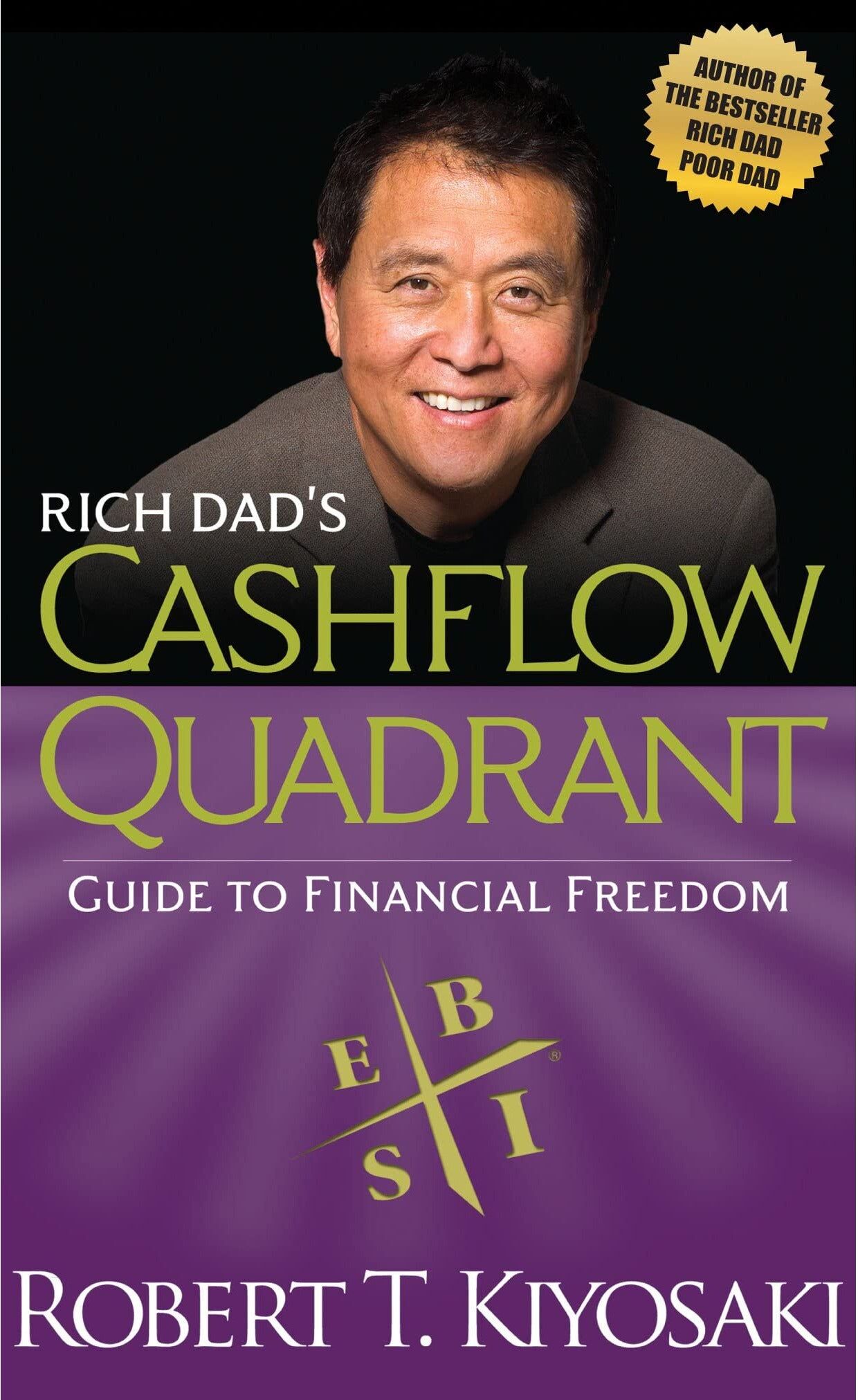
Plata Publishing Rich Dad’s Cashflow Quadrant – Robert T. Kiyosaki Guide to Financial Freedom, Investing & Wealth BuildingDiscover why some people work harder for money while others make money work for them with Rich Dad’s Cashflow Quadrant by Robert T. Kiyosaki. In this powerful follow-up to Rich Dad Poor Dad, Kiyosaki introduces the Cashflow Quadrant, a simple yet transformative framework that explains the four ways people earn income: Employee (E), Self-Employed (S), Business Owner (B), and Investor (I). The book reveals why true financial freedom is most often found on the B and I side of the quadrant. Through real-world examples and practical insights, Kiyosaki teaches readers how to shift their mindset, reduce financial risk, and build sustainable wealth through business ownership and investing. This book focuses on financial intelligence, passive income, and long-term wealth creation, rather than short-term gains. What You’ll Learn: The meaning of the Cashflow Quadrant (E, S, B, I) Why employees and self-employed people face financial limits How business owners and investors build passive income The mindset shifts required for financial independence How to move from job-based income to asset-based income Ideal for anyone serious about financial freedom, investing, and entrepreneurship, Rich Dad’s Cashflow Quadrant is a must-read personal finance classic.4,99 £*Shipping: 1,99 £Secure redirect to the provider
-
Perfect Picks Market Portable Outdoor Solar Fire Starter Card Credit Card Sized Fresnel Lens Survival Tool Portable Outdoor Solar Fire Starter Card Credit Card Sized Fresnel Lens Survival ToolImagine having reliable fire anywhere the sun shines without matches or fuel. The solar fire starter card is a compact, walletfriendly survival essential that harnesses the power of sunshine to ignite tinder fast. Designed for campers, hikers, and...29,97 $*Shipping: 0,00 $Secure redirect to the provider
-
Uplifted Trends Stainless Steel Playing Cards Bottle Opener Credit Card Beer Opener silverUnlock the fun with our Stainless Steel Playing Cards Bottle Opener, designed for both style and function. Whether you're a winemaker, beer enthusiast, or lover of unique bar tools, this opener is perfect for you. Crafted from highquality stainless...29,97 $*Shipping: 0,00 $Secure redirect to the provider



-
What is the molarity of H3O+?
The molarity of H3O+ can be calculated using the formula: Molarity = moles of solute / liters of solution. The molarity of H3O+ in pure water at 25°C is 1.0 x 10^-7 M, as water undergoes autoionization to produce H3O+ and OH- ions. This means that at equilibrium, the concentration of H3O+ ions is 1.0 x 10^-7 M. **
-
What is the difference between molality and molarity?
Molality and molarity are both measures of concentration, but they are calculated differently. Molarity is the number of moles of solute per liter of solution, while molality is the number of moles of solute per kilogram of solvent. This means that molarity depends on the volume of the solution, while molality depends on the mass of the solvent. As a result, molality is a more accurate measure of concentration when there are changes in temperature, as volume can change with temperature but mass remains constant. **
-
What is the molarity of concentrated nitric acid?
The molarity of concentrated nitric acid is typically around 16-18 M (moles per liter). This high concentration makes it a strong acid that is commonly used in various chemical reactions and industrial processes. It is important to handle concentrated nitric acid with care due to its corrosive nature and potential hazards. **
-
How are the pH value, normality, and molarity calculated?
The pH value is calculated using the formula pH = -log[H+], where [H+] is the concentration of hydrogen ions in a solution. Normality is calculated by multiplying the molarity of a solution by the number of equivalents of the solute. Molarity is calculated by dividing the number of moles of solute by the volume of the solution in liters. These calculations are important in chemistry for determining the concentration and acidity/basicity of a solution. **


Isn't the molar concentration the same as the molarity?
Yes, molar concentration and molarity are essentially the same thing. Both terms refer to the amount of a substance (in moles) dissolved in a given volume of solution (in liters). Molarity is the more commonly used term, but both can be used interchangeably to describe the concentration of a solution. **
Can you please explain to me how to calculate molarity?
Molarity is a measure of the concentration of a solute in a solution. It is calculated by dividing the number of moles of solute by the volume of the solution in liters. The formula for calculating molarity is: Molarity (M) = moles of solute / liters of solution. To calculate molarity, you first need to determine the number of moles of solute present in the solution, then divide that by the volume of the solution in liters. **
Top-Angebote
Products related to Molarity:
-
Penguin Rule #1: The Simple Strategy for Successful Investing in Only 15 Minutes a WeekPhil Town doesn't think so. He made a fortune, and in Rule #1 he'll show you how he did it.Rule #1:- Sets out the five key numbers that really count when you're buying stocks and shares- Explains how to use new Internet tools to simplify research- Shows how to exploit the advantages of being an individual investor- Demonstrates how to pay fifty pence for every pound's worth of business6,70 £*Shipping: 2,99 £Secure redirect to the provider
-
Plata Publishing Rich Dad’s Cashflow Quadrant – Robert T. Kiyosaki Guide to Financial Freedom, Investing & Wealth BuildingDiscover why some people work harder for money while others make money work for them with Rich Dad’s Cashflow Quadrant by Robert T. Kiyosaki. In this powerful follow-up to Rich Dad Poor Dad, Kiyosaki introduces the Cashflow Quadrant, a simple yet transformative framework that explains the four ways people earn income: Employee (E), Self-Employed (S), Business Owner (B), and Investor (I). The book reveals why true financial freedom is most often found on the B and I side of the quadrant. Through real-world examples and practical insights, Kiyosaki teaches readers how to shift their mindset, reduce financial risk, and build sustainable wealth through business ownership and investing. This book focuses on financial intelligence, passive income, and long-term wealth creation, rather than short-term gains. What You’ll Learn: The meaning of the Cashflow Quadrant (E, S, B, I) Why employees and self-employed people face financial limits How business owners and investors build passive income The mindset shifts required for financial independence How to move from job-based income to asset-based income Ideal for anyone serious about financial freedom, investing, and entrepreneurship, Rich Dad’s Cashflow Quadrant is a must-read personal finance classic.4,99 £*Shipping: 1,99 £Secure redirect to the provider
-
How large is the molarity?
The molarity is a unit of concentration that measures the number of moles of solute per liter of solution. It is a measure of the concentration of a solution and is expressed in moles per liter (mol/L). The molarity can vary depending on the amount of solute and solvent present in the solution. **
-
How do you calculate molarity?
Molarity is calculated by dividing the number of moles of solute by the volume of the solution in liters. The formula for molarity (M) is: Molarity = moles of solute / liters of solution. This calculation allows you to determine the concentration of a solution in terms of the number of moles of solute per liter of solution. **
-
What is the molarity of H3O+?
The molarity of H3O+ can be calculated using the formula: Molarity = moles of solute / liters of solution. The molarity of H3O+ in pure water at 25°C is 1.0 x 10^-7 M, as water undergoes autoionization to produce H3O+ and OH- ions. This means that at equilibrium, the concentration of H3O+ ions is 1.0 x 10^-7 M. **
-
What is the difference between molality and molarity?
Molality and molarity are both measures of concentration, but they are calculated differently. Molarity is the number of moles of solute per liter of solution, while molality is the number of moles of solute per kilogram of solvent. This means that molarity depends on the volume of the solution, while molality depends on the mass of the solvent. As a result, molality is a more accurate measure of concentration when there are changes in temperature, as volume can change with temperature but mass remains constant. **
Similar search terms for Molarity
-
Perfect Picks Market Portable Outdoor Solar Fire Starter Card Credit Card Sized Fresnel Lens Survival Tool Portable Outdoor Solar Fire Starter Card Credit Card Sized Fresnel Lens Survival ToolImagine having reliable fire anywhere the sun shines without matches or fuel. The solar fire starter card is a compact, walletfriendly survival essential that harnesses the power of sunshine to ignite tinder fast. Designed for campers, hikers, and...29,97 $*Shipping: 0,00 $Secure redirect to the provider
-
Uplifted Trends Stainless Steel Playing Cards Bottle Opener Credit Card Beer Opener silverUnlock the fun with our Stainless Steel Playing Cards Bottle Opener, designed for both style and function. Whether you're a winemaker, beer enthusiast, or lover of unique bar tools, this opener is perfect for you. Crafted from highquality stainless...29,97 $*Shipping: 0,00 $Secure redirect to the provider
-
Uplifted Finds Stainless Steel Credit Card Size Bottle Opener Playing Card Design silverOpen bottles in style with this sleek stainless steel bottle opener designed in a credit card size with a unique playing card design. The slim, durable metal fits easily into your wallet or travel bag, making it perfect for outdoor events, parties,...61,97 $*Shipping: 0,00 $Secure redirect to the provider
-
Simon & Schuster The Holy Grail of Investing: The World's Greatest Investors Reveal Their Ultimate Strategies for Financial FreedomTony Robbins, who has coached more than fifty million people from 100 countries, is the world’s #1 life and business strategist. In this new book, he teams up with Christopher Zook, a renowned financial investor who draws from thirty years of experience to round out the trilogy of #1 New York Times bestselling financial books. Together they reveal how, for decades, trillions of dollars of smart money – think of large institutions, sovereign wealth funds, individuals with ultra-high-net worth – have been making outsized returns using alternative investments in private equity, private credit, private real estate, energy and venture capital. Until recently, the vast majority of investors – those of us without insider access or eye-popping checkbooks – have been locked out of these exciting, high-yield opportunities. But there is a change underway. Alternative investments are coming to the masses, and investors need to know how to navigate their options, assess the merits of these opportunities, and determine how to best take advantage of this massive trend. In The Holy Grain of Investing, you’ll discover: Where opportunities will arise as we transition from the 'free money' era of zero interest rates to a new more realistic environment. How to take advantage of the trillions flowing into private investments by owning a piece of the firms that manage the assets. How to take advantage of private credit as an alternative (or compliment) to bonds. How and why professional sports teams have become an asset class of their own. How the renewable energy revolution will create new winners and losers. How investments in private real estate can work as an inflationary hedge. Interviews, advice, and insights from some of the world’s most formidable titans of industry, such as Howard Marks of OakTree Capital, Vinod Khosla of Khosla Capital, Barry Sternlicht of Starwood, Robert Smith of Vista, and Peter Theil of Founders Fund, among others. The market is changing, and the conventional wisdom no longer applies. Are you ready to add some fuel to your financial fire? No matter your wealth, your experience, your job, or your age, The Holy Grail of Investing will teach you everything you need to know to unleash the financial power of alternative investments.8,99 £*Shipping: 2,99 £Secure redirect to the provider
-
What is the molarity of concentrated nitric acid?
The molarity of concentrated nitric acid is typically around 16-18 M (moles per liter). This high concentration makes it a strong acid that is commonly used in various chemical reactions and industrial processes. It is important to handle concentrated nitric acid with care due to its corrosive nature and potential hazards. **
-
How are the pH value, normality, and molarity calculated?
The pH value is calculated using the formula pH = -log[H+], where [H+] is the concentration of hydrogen ions in a solution. Normality is calculated by multiplying the molarity of a solution by the number of equivalents of the solute. Molarity is calculated by dividing the number of moles of solute by the volume of the solution in liters. These calculations are important in chemistry for determining the concentration and acidity/basicity of a solution. **
-
Isn't the molar concentration the same as the molarity?
Yes, molar concentration and molarity are essentially the same thing. Both terms refer to the amount of a substance (in moles) dissolved in a given volume of solution (in liters). Molarity is the more commonly used term, but both can be used interchangeably to describe the concentration of a solution. **
-
Can you please explain to me how to calculate molarity?
Molarity is a measure of the concentration of a solute in a solution. It is calculated by dividing the number of moles of solute by the volume of the solution in liters. The formula for calculating molarity is: Molarity (M) = moles of solute / liters of solution. To calculate molarity, you first need to determine the number of moles of solute present in the solution, then divide that by the volume of the solution in liters. **
* All prices are inclusive of VAT and, if applicable, plus shipping costs. The offer information is based on the details provided by the respective shop and is updated through automated processes. Real-time updates do not occur, so deviations can occur in individual cases. ** Note: Parts of this content were created by AI.