Buy financetip.eu ?
We are moving the project
financetip.eu .
Are you interested in purchasing the domain
financetip.eu ?
domain@kv-gmbh.de · 0541-91531010
Buy financetip.eu ?
What happened in the year 1923?
In 1923, several significant events took place. The Great Kanto Earthquake struck Japan, causing widespread destruction and the loss of thousands of lives. The Republic of Turkey was officially proclaimed, marking the end of the Ottoman Empire. Additionally, the Hollywood sign was erected in Los Angeles, California, as a promotional tool for a new housing development. **
How was the crisis year 1923?
The crisis year of 1923 was a tumultuous time for many countries around the world. In Germany, hyperinflation reached its peak, leading to a complete collapse of the economy and widespread social unrest. The value of the German mark plummeted, causing severe hardship for the population and leading to political instability. The crisis also had a global impact, as it contributed to economic instability in other countries and strained international relations. Overall, the crisis year of 1923 was a period of great economic and social upheaval, with far-reaching consequences for many nations. **

Similar search terms for 1923
Top-Angebote
Products related to 1923:
-
Penguin Rule #1: The Simple Strategy for Successful Investing in Only 15 Minutes a WeekPhil Town doesn't think so. He made a fortune, and in Rule #1 he'll show you how he did it.Rule #1:- Sets out the five key numbers that really count when you're buying stocks and shares- Explains how to use new Internet tools to simplify research- Shows how to exploit the advantages of being an individual investor- Demonstrates how to pay fifty pence for every pound's worth of business6,70 £*Shipping: 2,99 £Secure redirect to the provider
-
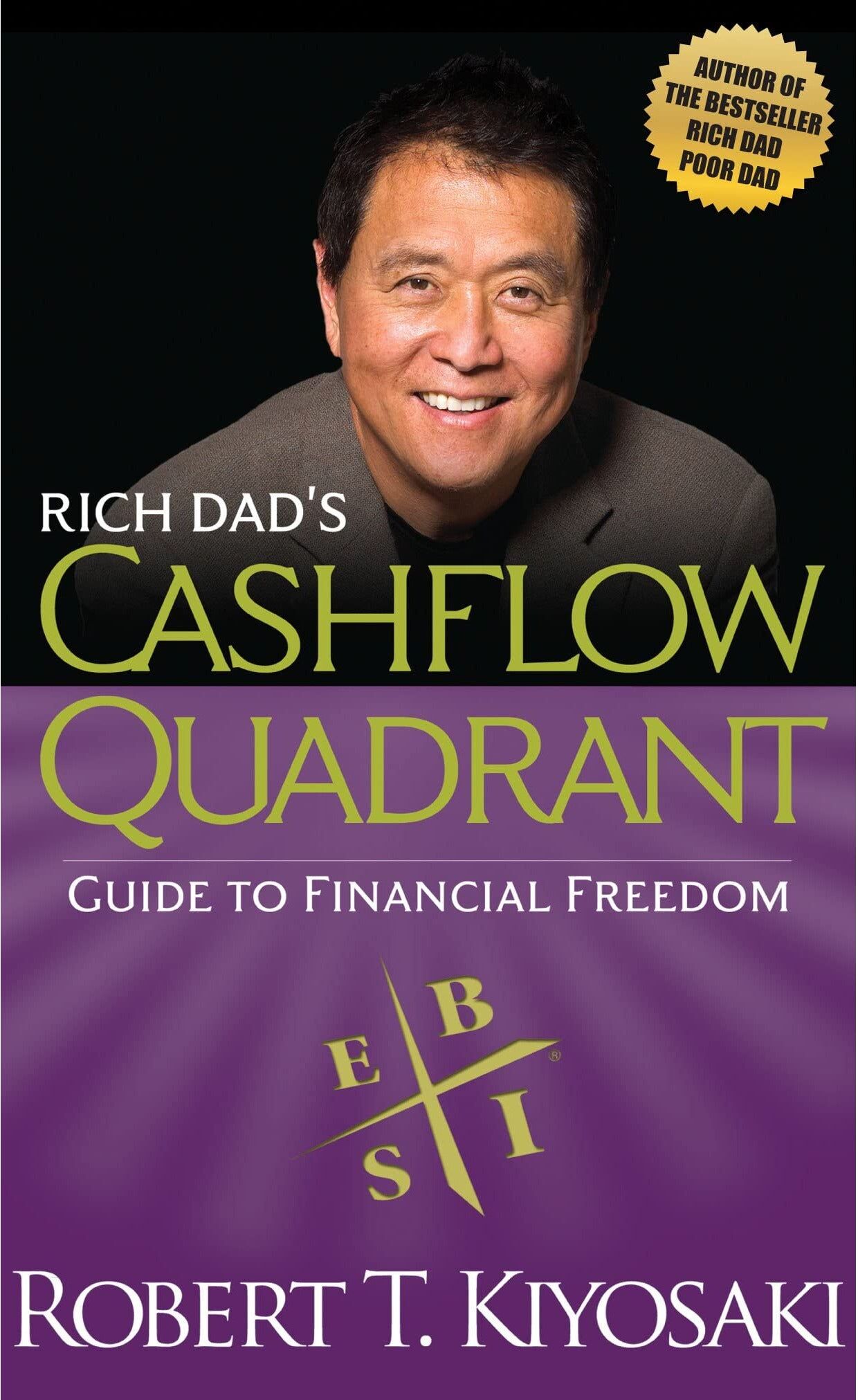
Plata Publishing Rich Dad’s Cashflow Quadrant – Robert T. Kiyosaki Guide to Financial Freedom, Investing & Wealth BuildingDiscover why some people work harder for money while others make money work for them with Rich Dad’s Cashflow Quadrant by Robert T. Kiyosaki. In this powerful follow-up to Rich Dad Poor Dad, Kiyosaki introduces the Cashflow Quadrant, a simple yet transformative framework that explains the four ways people earn income: Employee (E), Self-Employed (S), Business Owner (B), and Investor (I). The book reveals why true financial freedom is most often found on the B and I side of the quadrant. Through real-world examples and practical insights, Kiyosaki teaches readers how to shift their mindset, reduce financial risk, and build sustainable wealth through business ownership and investing. This book focuses on financial intelligence, passive income, and long-term wealth creation, rather than short-term gains. What You’ll Learn: The meaning of the Cashflow Quadrant (E, S, B, I) Why employees and self-employed people face financial limits How business owners and investors build passive income The mindset shifts required for financial independence How to move from job-based income to asset-based income Ideal for anyone serious about financial freedom, investing, and entrepreneurship, Rich Dad’s Cashflow Quadrant is a must-read personal finance classic.4,99 £*Shipping: 1,99 £Secure redirect to the provider
-
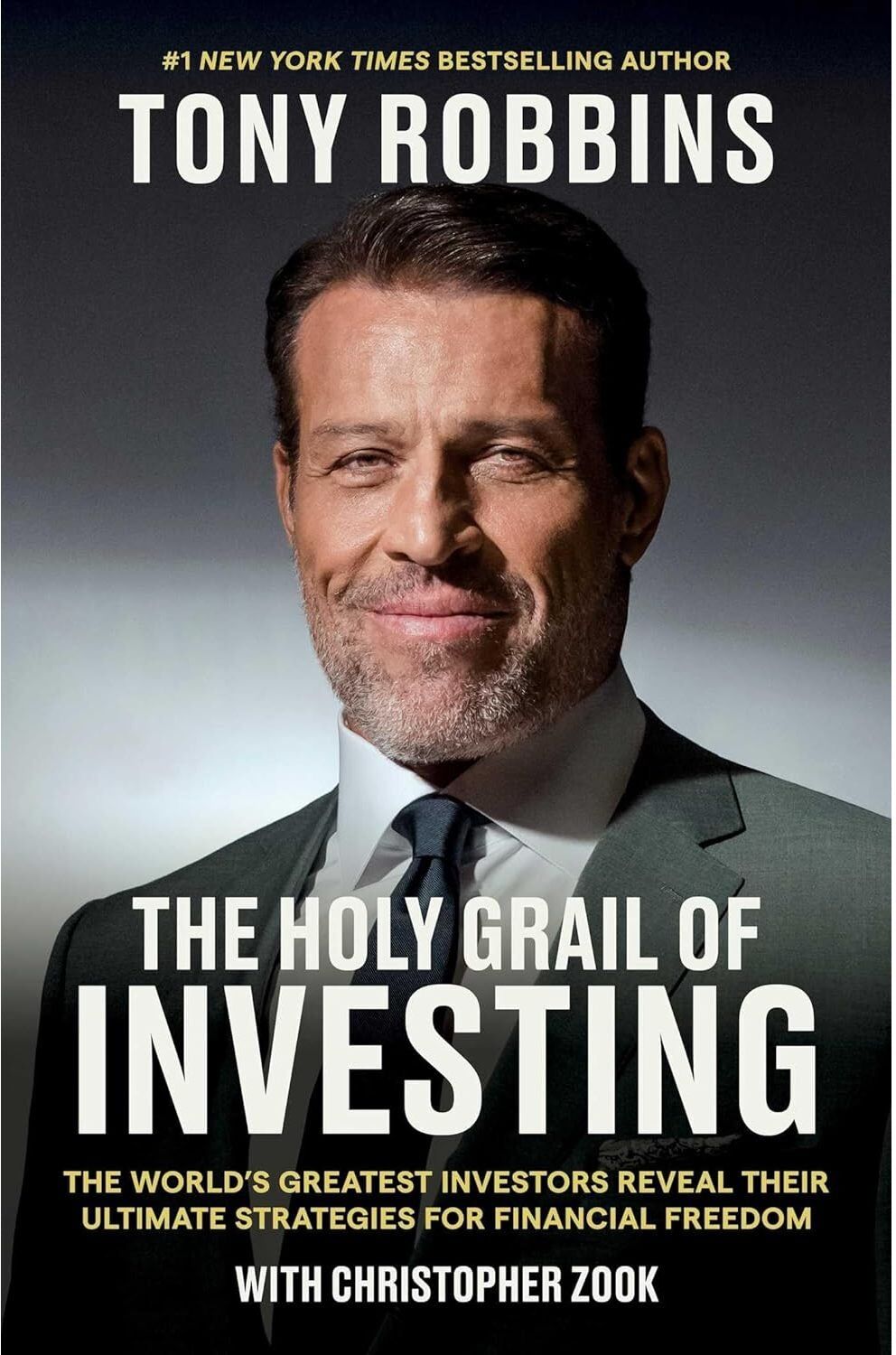
Simon & Schuster The Holy Grail of Investing: The World's Greatest Investors Reveal Their Ultimate Strategies for Financial FreedomTony Robbins, who has coached more than fifty million people from 100 countries, is the world’s #1 life and business strategist. In this new book, he teams up with Christopher Zook, a renowned financial investor who draws from thirty years of experience to round out the trilogy of #1 New York Times bestselling financial books. Together they reveal how, for decades, trillions of dollars of smart money – think of large institutions, sovereign wealth funds, individuals with ultra-high-net worth – have been making outsized returns using alternative investments in private equity, private credit, private real estate, energy and venture capital. Until recently, the vast majority of investors – those of us without insider access or eye-popping checkbooks – have been locked out of these exciting, high-yield opportunities. But there is a change underway. Alternative investments are coming to the masses, and investors need to know how to navigate their options, assess the merits of these opportunities, and determine how to best take advantage of this massive trend. In The Holy Grain of Investing, you’ll discover: Where opportunities will arise as we transition from the 'free money' era of zero interest rates to a new more realistic environment. How to take advantage of the trillions flowing into private investments by owning a piece of the firms that manage the assets. How to take advantage of private credit as an alternative (or compliment) to bonds. How and why professional sports teams have become an asset class of their own. How the renewable energy revolution will create new winners and losers. How investments in private real estate can work as an inflationary hedge. Interviews, advice, and insights from some of the world’s most formidable titans of industry, such as Howard Marks of OakTree Capital, Vinod Khosla of Khosla Capital, Barry Sternlicht of Starwood, Robert Smith of Vista, and Peter Theil of Founders Fund, among others. The market is changing, and the conventional wisdom no longer applies. Are you ready to add some fuel to your financial fire? No matter your wealth, your experience, your job, or your age, The Holy Grail of Investing will teach you everything you need to know to unleash the financial power of alternative investments.8,99 £*Shipping: 2,99 £Secure redirect to the provider


-
What was the Dolchstoßlegende of 1923?
The Dolchstoßlegende, or "stab-in-the-back myth," was a conspiracy theory popular in Germany after World War I. It claimed that the German Army did not actually lose the war on the battlefield, but was instead betrayed by civilians on the home front, including politicians and Jews. This myth was used to shift blame away from the military and the ruling elite for the defeat in the war, and was used as a tool to undermine the Weimar Republic and justify the rise of right-wing and nationalist movements in Germany. The Dolchstoßlegende contributed to the political instability and social unrest in Germany during the 1920s and 1930s. **
-
Why was the Ruhrkampf of 1923 discontinued?
The Ruhrkampf of 1923 was discontinued because it had severe economic consequences for Germany. The French occupation of the Ruhr region led to hyperinflation and economic instability, causing widespread suffering among the German population. The German government eventually decided to end the passive resistance in the Ruhr to prevent further economic collapse and social unrest. Additionally, diplomatic efforts were made to negotiate a resolution to the crisis, leading to the Dawes Plan in 1924. **
-
Did Greeks live in Turkey before 1923?
Yes, Greeks lived in what is now modern-day Turkey for thousands of years before 1923. The region was home to a significant Greek population, particularly in areas like Istanbul, Anatolia, and the Aegean coast. However, following the Greco-Turkish War and the subsequent population exchange between Greece and Turkey in 1923, the Greek population in Turkey significantly decreased. Today, there are still some Greeks living in Turkey, particularly in Istanbul and the islands near the Turkish coast. **
-
Why was the Ruhrkampf of 1923 terminated?
The Ruhrkampf of 1923 was terminated because of the economic and political pressure it placed on Germany. The French occupation of the Ruhr region led to a significant loss of revenue for the German government, exacerbating the already dire economic situation. Additionally, the German government's decision to call off the passive resistance in the Ruhr was influenced by the growing internal unrest and the realization that the strategy was not achieving its intended goals. Ultimately, the termination of the Ruhrkampf was a pragmatic decision to alleviate the economic strain and internal turmoil facing Germany at the time. **


What is the difference between 1923 and 2023?
The main difference between 1923 and 2023 is the time period they belong to. 1923 was nearly a century ago and marked by events such as the Roaring Twenties, while 2023 is in the present day and characterized by advanced technology and globalization. In terms of societal norms, values, and advancements, there have been significant changes between the two time periods. **
How did inflation occur in Germany in 1923?
Inflation in Germany in 1923 was primarily caused by the government's decision to print more money to pay off its war debts. This led to an oversupply of currency in circulation, causing the value of the German mark to plummet. Additionally, the loss of industrial production during World War I and the reparations demanded by the Treaty of Versailles further weakened the German economy, exacerbating the inflationary crisis. The hyperinflation reached its peak in November 1923, when prices doubled every few days, wiping out the savings and livelihoods of many Germans. **
Top-Angebote
Products related to 1923:
-
Unreal Lips Healthy Glow Nectar Oil - Juicylicious Strawberry Vanilla Charlotte Tilbury 1923 Unreal Lips Healthy Glow Nectar Oil Size:Darlings, do you want the JUICIEST, MOST UNREAL LIPS OF YOUR LIFE? LIPS that make you GLOW with HAPPINESS? Unreal Lips Healthy Glow Nectar Oil is my tinted lip oil for glossy, juicy-looking lips that look and feel UNREAL! It's your UNREAL SUMMER-GLAZED GLOW-UP in ONE SWIPE! My tinted lip oils have the cushioning comfort of a lip balm, the glow glide of a lip oil and the glazed, vinyl shine of an amplifying lip gloss... They're my secret to JUICYLICIOUS LIPS with a healthy-looking holiday glow! Infused with a skin barrier-boosting matrix of hydrating ingredients, each shade combines a glossy-oil texture with juicy, sheer colour for summer-glazed lips in seconds! Just swipe on using the lip-hugging gel applicator for a glossy, glazed, glass-like finish! Discover 6 UNREAL shades + scents!22,00 £*Shipping: 2,95 £Secure redirect to the provider
-
Penguin Rule #1: The Simple Strategy for Successful Investing in Only 15 Minutes a WeekPhil Town doesn't think so. He made a fortune, and in Rule #1 he'll show you how he did it.Rule #1:- Sets out the five key numbers that really count when you're buying stocks and shares- Explains how to use new Internet tools to simplify research- Shows how to exploit the advantages of being an individual investor- Demonstrates how to pay fifty pence for every pound's worth of business6,70 £*Shipping: 2,99 £Secure redirect to the provider
-
What happened in the year 1923?
In 1923, several significant events took place. The Great Kanto Earthquake struck Japan, causing widespread destruction and the loss of thousands of lives. The Republic of Turkey was officially proclaimed, marking the end of the Ottoman Empire. Additionally, the Hollywood sign was erected in Los Angeles, California, as a promotional tool for a new housing development. **
-
How was the crisis year 1923?
The crisis year of 1923 was a tumultuous time for many countries around the world. In Germany, hyperinflation reached its peak, leading to a complete collapse of the economy and widespread social unrest. The value of the German mark plummeted, causing severe hardship for the population and leading to political instability. The crisis also had a global impact, as it contributed to economic instability in other countries and strained international relations. Overall, the crisis year of 1923 was a period of great economic and social upheaval, with far-reaching consequences for many nations. **
-
What was the Dolchstoßlegende of 1923?
The Dolchstoßlegende, or "stab-in-the-back myth," was a conspiracy theory popular in Germany after World War I. It claimed that the German Army did not actually lose the war on the battlefield, but was instead betrayed by civilians on the home front, including politicians and Jews. This myth was used to shift blame away from the military and the ruling elite for the defeat in the war, and was used as a tool to undermine the Weimar Republic and justify the rise of right-wing and nationalist movements in Germany. The Dolchstoßlegende contributed to the political instability and social unrest in Germany during the 1920s and 1930s. **
-
Why was the Ruhrkampf of 1923 discontinued?
The Ruhrkampf of 1923 was discontinued because it had severe economic consequences for Germany. The French occupation of the Ruhr region led to hyperinflation and economic instability, causing widespread suffering among the German population. The German government eventually decided to end the passive resistance in the Ruhr to prevent further economic collapse and social unrest. Additionally, diplomatic efforts were made to negotiate a resolution to the crisis, leading to the Dawes Plan in 1924. **
Similar search terms for 1923
-
Plata Publishing Rich Dad’s Cashflow Quadrant – Robert T. Kiyosaki Guide to Financial Freedom, Investing & Wealth BuildingDiscover why some people work harder for money while others make money work for them with Rich Dad’s Cashflow Quadrant by Robert T. Kiyosaki. In this powerful follow-up to Rich Dad Poor Dad, Kiyosaki introduces the Cashflow Quadrant, a simple yet transformative framework that explains the four ways people earn income: Employee (E), Self-Employed (S), Business Owner (B), and Investor (I). The book reveals why true financial freedom is most often found on the B and I side of the quadrant. Through real-world examples and practical insights, Kiyosaki teaches readers how to shift their mindset, reduce financial risk, and build sustainable wealth through business ownership and investing. This book focuses on financial intelligence, passive income, and long-term wealth creation, rather than short-term gains. What You’ll Learn: The meaning of the Cashflow Quadrant (E, S, B, I) Why employees and self-employed people face financial limits How business owners and investors build passive income The mindset shifts required for financial independence How to move from job-based income to asset-based income Ideal for anyone serious about financial freedom, investing, and entrepreneurship, Rich Dad’s Cashflow Quadrant is a must-read personal finance classic.4,99 £*Shipping: 1,99 £Secure redirect to the provider
-
Simon & Schuster The Holy Grail of Investing: The World's Greatest Investors Reveal Their Ultimate Strategies for Financial FreedomTony Robbins, who has coached more than fifty million people from 100 countries, is the world’s #1 life and business strategist. In this new book, he teams up with Christopher Zook, a renowned financial investor who draws from thirty years of experience to round out the trilogy of #1 New York Times bestselling financial books. Together they reveal how, for decades, trillions of dollars of smart money – think of large institutions, sovereign wealth funds, individuals with ultra-high-net worth – have been making outsized returns using alternative investments in private equity, private credit, private real estate, energy and venture capital. Until recently, the vast majority of investors – those of us without insider access or eye-popping checkbooks – have been locked out of these exciting, high-yield opportunities. But there is a change underway. Alternative investments are coming to the masses, and investors need to know how to navigate their options, assess the merits of these opportunities, and determine how to best take advantage of this massive trend. In The Holy Grain of Investing, you’ll discover: Where opportunities will arise as we transition from the 'free money' era of zero interest rates to a new more realistic environment. How to take advantage of the trillions flowing into private investments by owning a piece of the firms that manage the assets. How to take advantage of private credit as an alternative (or compliment) to bonds. How and why professional sports teams have become an asset class of their own. How the renewable energy revolution will create new winners and losers. How investments in private real estate can work as an inflationary hedge. Interviews, advice, and insights from some of the world’s most formidable titans of industry, such as Howard Marks of OakTree Capital, Vinod Khosla of Khosla Capital, Barry Sternlicht of Starwood, Robert Smith of Vista, and Peter Theil of Founders Fund, among others. The market is changing, and the conventional wisdom no longer applies. Are you ready to add some fuel to your financial fire? No matter your wealth, your experience, your job, or your age, The Holy Grail of Investing will teach you everything you need to know to unleash the financial power of alternative investments.8,99 £*Shipping: 2,99 £Secure redirect to the provider
-
Perfect Picks Market Portable Outdoor Solar Fire Starter Card Credit Card Sized Fresnel Lens Survival Tool Portable Outdoor Solar Fire Starter Card Credit Card Sized Fresnel Lens Survival ToolImagine having reliable fire anywhere the sun shines without matches or fuel. The solar fire starter card is a compact, walletfriendly survival essential that harnesses the power of sunshine to ignite tinder fast. Designed for campers, hikers, and...29,97 $*Shipping: 0,00 $Secure redirect to the provider
-
Summersdale Publishers The Little Book of Senior Moments, The Little Book of Retirement, The Senior Moments Puzzle 3 Books Collection SetTitles in the Set Are: The Little Book of Senior Moments The Little Book of Retirement The Senior Moments Puzzle Book The Little Book of Senior Moments You know you are having a senior moment when you decide it is time to pull up your socks, and realise you forgot to put any on If this sounds all too familiar, read on to discover whether your marbles just need a spring clean or you've well and truly lost them. The Little Book of Retirement You know you are retired when People from work keep phoning up asking where on earth you put important documents. The joys of retirement are many and varied, so read on to discover what makes these golden years so golden. The Senior Moments Puzzle Book Instead of wracking your brain for something to do, challenge your mind and have hours of fun with this delightful puzzle book. With everything from tricky crosswords, word searches, anagram puzzles and sudokus to simpler brain-teasers such as spot the differences, mazes and trivia questions, this large book edition means you will not even need your glasses wherever you put them.9,95 £*Shipping: 2,99 £Secure redirect to the provider
-
Did Greeks live in Turkey before 1923?
Yes, Greeks lived in what is now modern-day Turkey for thousands of years before 1923. The region was home to a significant Greek population, particularly in areas like Istanbul, Anatolia, and the Aegean coast. However, following the Greco-Turkish War and the subsequent population exchange between Greece and Turkey in 1923, the Greek population in Turkey significantly decreased. Today, there are still some Greeks living in Turkey, particularly in Istanbul and the islands near the Turkish coast. **
-
Why was the Ruhrkampf of 1923 terminated?
The Ruhrkampf of 1923 was terminated because of the economic and political pressure it placed on Germany. The French occupation of the Ruhr region led to a significant loss of revenue for the German government, exacerbating the already dire economic situation. Additionally, the German government's decision to call off the passive resistance in the Ruhr was influenced by the growing internal unrest and the realization that the strategy was not achieving its intended goals. Ultimately, the termination of the Ruhrkampf was a pragmatic decision to alleviate the economic strain and internal turmoil facing Germany at the time. **
-
What is the difference between 1923 and 2023?
The main difference between 1923 and 2023 is the time period they belong to. 1923 was nearly a century ago and marked by events such as the Roaring Twenties, while 2023 is in the present day and characterized by advanced technology and globalization. In terms of societal norms, values, and advancements, there have been significant changes between the two time periods. **
-
How did inflation occur in Germany in 1923?
Inflation in Germany in 1923 was primarily caused by the government's decision to print more money to pay off its war debts. This led to an oversupply of currency in circulation, causing the value of the German mark to plummet. Additionally, the loss of industrial production during World War I and the reparations demanded by the Treaty of Versailles further weakened the German economy, exacerbating the inflationary crisis. The hyperinflation reached its peak in November 1923, when prices doubled every few days, wiping out the savings and livelihoods of many Germans. **
* All prices are inclusive of VAT and, if applicable, plus shipping costs. The offer information is based on the details provided by the respective shop and is updated through automated processes. Real-time updates do not occur, so deviations can occur in individual cases. ** Note: Parts of this content were created by AI.