Buy financetip.eu ?
We are moving the project
financetip.eu .
Are you interested in purchasing the domain
financetip.eu ?
domain@kv-gmbh.de · 0541-91531010
Buy financetip.eu ?
In which era was the year 1806?
The year 1806 falls within the 19th century. This era was characterized by significant advancements in industrialization, the rise of nationalism, and major political revolutions such as the Napoleonic Wars. In 1806, Napoleon Bonaparte was the Emperor of the French Empire, and Europe was in a state of turmoil due to the ongoing conflicts and power struggles among various nations. **
What happened in the year 1806 in Islam?
In the year 1806, there were no significant events specifically related to Islam that are widely recorded in historical sources. However, this period marked a time of political and social change in the Islamic world, with various regions experiencing shifts in power and influence. It was a time when the Ottoman Empire was facing challenges from internal and external forces, and various Islamic scholars and leaders were engaged in debates and discussions about the future of the Muslim world. Overall, 1806 was a relatively quiet year in terms of major Islamic events, but it was part of a larger period of transition and transformation in the Islamic world. **


Similar search terms for 1806
Top-Angebote
Products related to 1806:
-
Penguin Rule #1: The Simple Strategy for Successful Investing in Only 15 Minutes a WeekPhil Town doesn't think so. He made a fortune, and in Rule #1 he'll show you how he did it.Rule #1:- Sets out the five key numbers that really count when you're buying stocks and shares- Explains how to use new Internet tools to simplify research- Shows how to exploit the advantages of being an individual investor- Demonstrates how to pay fifty pence for every pound's worth of business6,70 £*Shipping: 2,99 £Secure redirect to the provider
-
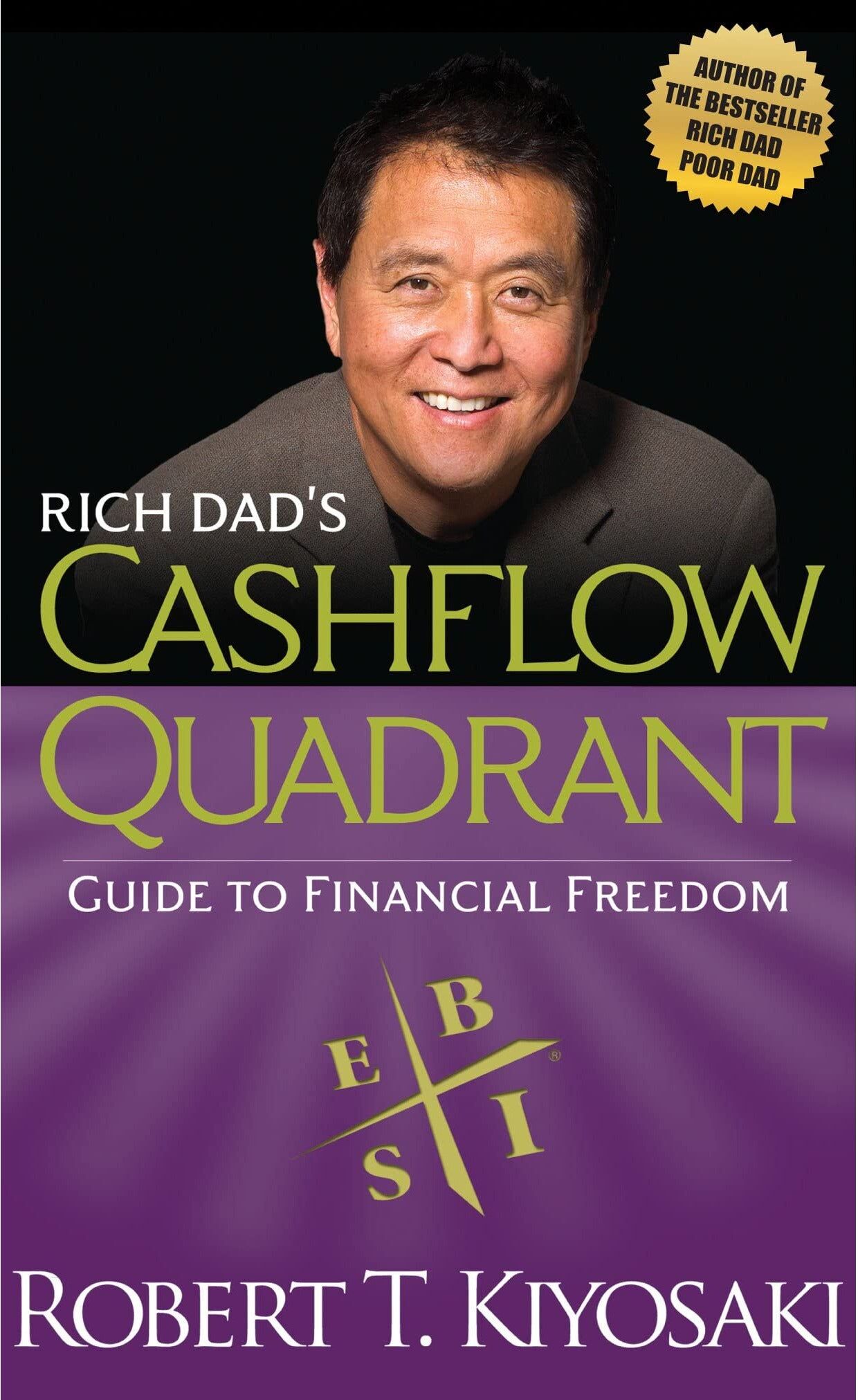
Plata Publishing Rich Dad’s Cashflow Quadrant – Robert T. Kiyosaki Guide to Financial Freedom, Investing & Wealth BuildingDiscover why some people work harder for money while others make money work for them with Rich Dad’s Cashflow Quadrant by Robert T. Kiyosaki. In this powerful follow-up to Rich Dad Poor Dad, Kiyosaki introduces the Cashflow Quadrant, a simple yet transformative framework that explains the four ways people earn income: Employee (E), Self-Employed (S), Business Owner (B), and Investor (I). The book reveals why true financial freedom is most often found on the B and I side of the quadrant. Through real-world examples and practical insights, Kiyosaki teaches readers how to shift their mindset, reduce financial risk, and build sustainable wealth through business ownership and investing. This book focuses on financial intelligence, passive income, and long-term wealth creation, rather than short-term gains. What You’ll Learn: The meaning of the Cashflow Quadrant (E, S, B, I) Why employees and self-employed people face financial limits How business owners and investors build passive income The mindset shifts required for financial independence How to move from job-based income to asset-based income Ideal for anyone serious about financial freedom, investing, and entrepreneurship, Rich Dad’s Cashflow Quadrant is a must-read personal finance classic.4,99 £*Shipping: 1,99 £Secure redirect to the provider
-
Perfect Picks Market Portable Outdoor Solar Fire Starter Card Credit Card Sized Fresnel Lens Survival Tool Portable Outdoor Solar Fire Starter Card Credit Card Sized Fresnel Lens Survival ToolImagine having reliable fire anywhere the sun shines without matches or fuel. The solar fire starter card is a compact, walletfriendly survival essential that harnesses the power of sunshine to ignite tinder fast. Designed for campers, hikers, and...29,97 $*Shipping: 0,00 $Secure redirect to the provider
-
Uplifted Trends Stainless Steel Playing Cards Bottle Opener Credit Card Beer Opener blackUnlock the fun with our Stainless Steel Playing Cards Bottle Opener, designed for both style and function. Whether you're a winemaker, beer enthusiast, or lover of unique bar tools, this opener is perfect for you. Crafted from highquality stainless...29,97 $*Shipping: 0,00 $Secure redirect to the provider



-
How did the Holy Roman Empire of the German Nation come to an end in 1806?
The Holy Roman Empire of the German Nation came to an end in 1806 due to a combination of internal and external factors. The empire had been weakened by the rise of powerful nation-states such as France and Prussia, as well as by internal divisions and conflicts among its member states. In 1806, Emperor Francis II of Austria, who was also the ruler of the Holy Roman Empire, abdicated the imperial throne, effectively dissolving the empire. This decision was influenced by the military defeats suffered by the empire at the hands of Napoleon Bonaparte, who sought to reorganize Europe under his own control. As a result, the Holy Roman Empire of the German Nation ceased to exist, marking the end of over a thousand years of history. **
-
What is the value of old books of Goethe's works in the first edition from 1806 to 1817?
The value of old books of Goethe's works in the first edition from 1806 to 1817 can vary depending on factors such as condition, rarity, and demand. Generally, these first editions can be quite valuable to collectors and can range from a few hundred dollars to several thousand dollars. Rare or well-preserved copies with historical significance may command even higher prices at auctions or through specialized book dealers. **
-
Why could the cartoonist have omitted the important event of Napoleon's victory over Prussia in 1806 in the caricature?
The cartoonist may have omitted Napoleon's victory over Prussia in 1806 in the caricature because they wanted to focus on a specific aspect of Napoleon's rule or personality, such as his authoritarianism or his impact on the people of France. Additionally, the cartoonist may have chosen to omit this event in order to highlight a different aspect of Napoleon's reign that they felt was more relevant to the message they were trying to convey. Furthermore, the cartoonist may have simply run out of space or wanted to avoid overwhelming the viewer with too much historical information. **
-
Why did the German princes willingly separate themselves from the German Empire in 1806 to form a Rhine Confederation with France?
The German princes willingly separated themselves from the German Empire in 1806 to form the Rhine Confederation with France for several reasons. Firstly, they saw Napoleon's France as a powerful and dominant force in Europe and believed that aligning with France would bring them protection and stability. Additionally, by joining the Confederation, the German princes hoped to gain more autonomy and control over their territories, as opposed to being under the authority of the Holy Roman Emperor. Lastly, the French promised the German princes territorial gains and increased influence in exchange for their allegiance, which incentivized them to join the Confederation. **

Why could the illustrator Johann Michael Voltz have omitted the important event of Napoleon's victory over Prussia in 1806 in the caricature?
Johann Michael Voltz may have omitted Napoleon's victory over Prussia in 1806 in the caricature to focus on a different aspect of Napoleon's rule or to highlight a specific theme or message. The illustrator may have chosen to emphasize a different event or aspect of Napoleon's reign that better suited the intended message or purpose of the caricature. Additionally, Voltz may have wanted to avoid depicting a sensitive or controversial topic that could have elicited negative reactions from viewers. **
Why did the German princes willingly separate themselves forever from the German Empire in 1806 to form a Rhine Confederation with France?
The German princes willingly separated themselves from the German Empire in 1806 to form a Rhine Confederation with France for several reasons. One of the main reasons was to gain protection and support from Napoleon Bonaparte, who was a powerful and influential leader at the time. By aligning themselves with France, the German princes hoped to secure their own territories and maintain their positions of power. Additionally, joining the Rhine Confederation allowed the German princes to weaken the authority of the Holy Roman Empire and assert more independence and autonomy within their own territories. **
Top-Angebote
Products related to 1806:
-
Penguin Rule #1: The Simple Strategy for Successful Investing in Only 15 Minutes a WeekPhil Town doesn't think so. He made a fortune, and in Rule #1 he'll show you how he did it.Rule #1:- Sets out the five key numbers that really count when you're buying stocks and shares- Explains how to use new Internet tools to simplify research- Shows how to exploit the advantages of being an individual investor- Demonstrates how to pay fifty pence for every pound's worth of business6,70 £*Shipping: 2,99 £Secure redirect to the provider
-
Plata Publishing Rich Dad’s Cashflow Quadrant – Robert T. Kiyosaki Guide to Financial Freedom, Investing & Wealth BuildingDiscover why some people work harder for money while others make money work for them with Rich Dad’s Cashflow Quadrant by Robert T. Kiyosaki. In this powerful follow-up to Rich Dad Poor Dad, Kiyosaki introduces the Cashflow Quadrant, a simple yet transformative framework that explains the four ways people earn income: Employee (E), Self-Employed (S), Business Owner (B), and Investor (I). The book reveals why true financial freedom is most often found on the B and I side of the quadrant. Through real-world examples and practical insights, Kiyosaki teaches readers how to shift their mindset, reduce financial risk, and build sustainable wealth through business ownership and investing. This book focuses on financial intelligence, passive income, and long-term wealth creation, rather than short-term gains. What You’ll Learn: The meaning of the Cashflow Quadrant (E, S, B, I) Why employees and self-employed people face financial limits How business owners and investors build passive income The mindset shifts required for financial independence How to move from job-based income to asset-based income Ideal for anyone serious about financial freedom, investing, and entrepreneurship, Rich Dad’s Cashflow Quadrant is a must-read personal finance classic.4,99 £*Shipping: 1,99 £Secure redirect to the provider
-
In which era was the year 1806?
The year 1806 falls within the 19th century. This era was characterized by significant advancements in industrialization, the rise of nationalism, and major political revolutions such as the Napoleonic Wars. In 1806, Napoleon Bonaparte was the Emperor of the French Empire, and Europe was in a state of turmoil due to the ongoing conflicts and power struggles among various nations. **
-
What happened in the year 1806 in Islam?
In the year 1806, there were no significant events specifically related to Islam that are widely recorded in historical sources. However, this period marked a time of political and social change in the Islamic world, with various regions experiencing shifts in power and influence. It was a time when the Ottoman Empire was facing challenges from internal and external forces, and various Islamic scholars and leaders were engaged in debates and discussions about the future of the Muslim world. Overall, 1806 was a relatively quiet year in terms of major Islamic events, but it was part of a larger period of transition and transformation in the Islamic world. **
-
How did the Holy Roman Empire of the German Nation come to an end in 1806?
The Holy Roman Empire of the German Nation came to an end in 1806 due to a combination of internal and external factors. The empire had been weakened by the rise of powerful nation-states such as France and Prussia, as well as by internal divisions and conflicts among its member states. In 1806, Emperor Francis II of Austria, who was also the ruler of the Holy Roman Empire, abdicated the imperial throne, effectively dissolving the empire. This decision was influenced by the military defeats suffered by the empire at the hands of Napoleon Bonaparte, who sought to reorganize Europe under his own control. As a result, the Holy Roman Empire of the German Nation ceased to exist, marking the end of over a thousand years of history. **
-
What is the value of old books of Goethe's works in the first edition from 1806 to 1817?
The value of old books of Goethe's works in the first edition from 1806 to 1817 can vary depending on factors such as condition, rarity, and demand. Generally, these first editions can be quite valuable to collectors and can range from a few hundred dollars to several thousand dollars. Rare or well-preserved copies with historical significance may command even higher prices at auctions or through specialized book dealers. **
Similar search terms for 1806
-
Perfect Picks Market Portable Outdoor Solar Fire Starter Card Credit Card Sized Fresnel Lens Survival Tool Portable Outdoor Solar Fire Starter Card Credit Card Sized Fresnel Lens Survival ToolImagine having reliable fire anywhere the sun shines without matches or fuel. The solar fire starter card is a compact, walletfriendly survival essential that harnesses the power of sunshine to ignite tinder fast. Designed for campers, hikers, and...29,97 $*Shipping: 0,00 $Secure redirect to the provider
-
Uplifted Trends Stainless Steel Playing Cards Bottle Opener Credit Card Beer Opener blackUnlock the fun with our Stainless Steel Playing Cards Bottle Opener, designed for both style and function. Whether you're a winemaker, beer enthusiast, or lover of unique bar tools, this opener is perfect for you. Crafted from highquality stainless...29,97 $*Shipping: 0,00 $Secure redirect to the provider
-
Uplifted Finds Stainless Steel Credit Card Size Bottle Opener Playing Card Design blackOpen bottles in style with this sleek stainless steel bottle opener designed in a credit card size with a unique playing card design. The slim, durable metal fits easily into your wallet or travel bag, making it perfect for outdoor events, parties,...61,97 $*Shipping: 0,00 $Secure redirect to the provider
-
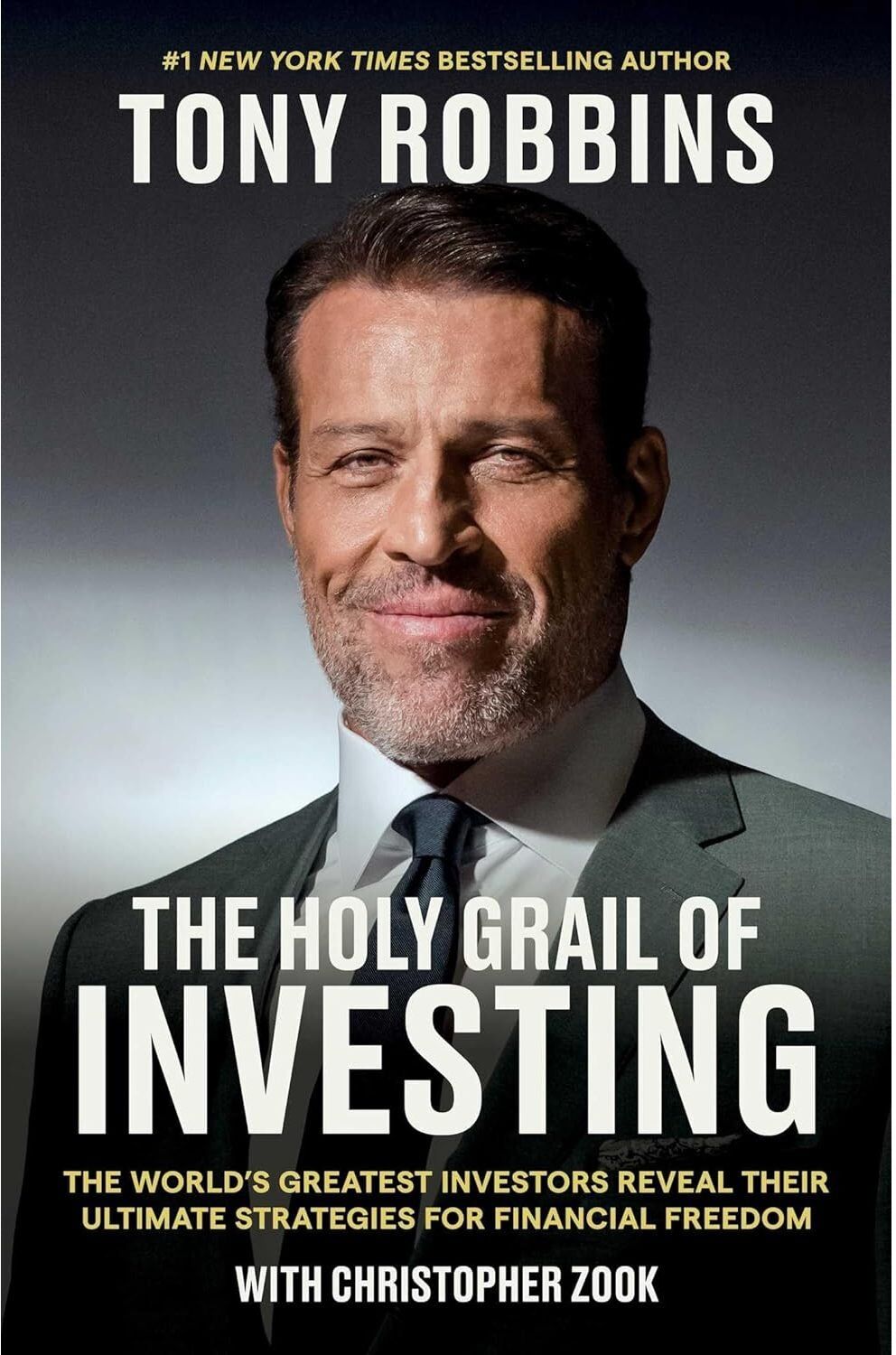
Simon & Schuster The Holy Grail of Investing: The World's Greatest Investors Reveal Their Ultimate Strategies for Financial FreedomTony Robbins, who has coached more than fifty million people from 100 countries, is the world’s #1 life and business strategist. In this new book, he teams up with Christopher Zook, a renowned financial investor who draws from thirty years of experience to round out the trilogy of #1 New York Times bestselling financial books. Together they reveal how, for decades, trillions of dollars of smart money – think of large institutions, sovereign wealth funds, individuals with ultra-high-net worth – have been making outsized returns using alternative investments in private equity, private credit, private real estate, energy and venture capital. Until recently, the vast majority of investors – those of us without insider access or eye-popping checkbooks – have been locked out of these exciting, high-yield opportunities. But there is a change underway. Alternative investments are coming to the masses, and investors need to know how to navigate their options, assess the merits of these opportunities, and determine how to best take advantage of this massive trend. In The Holy Grain of Investing, you’ll discover: Where opportunities will arise as we transition from the 'free money' era of zero interest rates to a new more realistic environment. How to take advantage of the trillions flowing into private investments by owning a piece of the firms that manage the assets. How to take advantage of private credit as an alternative (or compliment) to bonds. How and why professional sports teams have become an asset class of their own. How the renewable energy revolution will create new winners and losers. How investments in private real estate can work as an inflationary hedge. Interviews, advice, and insights from some of the world’s most formidable titans of industry, such as Howard Marks of OakTree Capital, Vinod Khosla of Khosla Capital, Barry Sternlicht of Starwood, Robert Smith of Vista, and Peter Theil of Founders Fund, among others. The market is changing, and the conventional wisdom no longer applies. Are you ready to add some fuel to your financial fire? No matter your wealth, your experience, your job, or your age, The Holy Grail of Investing will teach you everything you need to know to unleash the financial power of alternative investments.8,99 £*Shipping: 2,99 £Secure redirect to the provider
-
Why could the cartoonist have omitted the important event of Napoleon's victory over Prussia in 1806 in the caricature?
The cartoonist may have omitted Napoleon's victory over Prussia in 1806 in the caricature because they wanted to focus on a specific aspect of Napoleon's rule or personality, such as his authoritarianism or his impact on the people of France. Additionally, the cartoonist may have chosen to omit this event in order to highlight a different aspect of Napoleon's reign that they felt was more relevant to the message they were trying to convey. Furthermore, the cartoonist may have simply run out of space or wanted to avoid overwhelming the viewer with too much historical information. **
-
Why did the German princes willingly separate themselves from the German Empire in 1806 to form a Rhine Confederation with France?
The German princes willingly separated themselves from the German Empire in 1806 to form the Rhine Confederation with France for several reasons. Firstly, they saw Napoleon's France as a powerful and dominant force in Europe and believed that aligning with France would bring them protection and stability. Additionally, by joining the Confederation, the German princes hoped to gain more autonomy and control over their territories, as opposed to being under the authority of the Holy Roman Emperor. Lastly, the French promised the German princes territorial gains and increased influence in exchange for their allegiance, which incentivized them to join the Confederation. **
-
Why could the illustrator Johann Michael Voltz have omitted the important event of Napoleon's victory over Prussia in 1806 in the caricature?
Johann Michael Voltz may have omitted Napoleon's victory over Prussia in 1806 in the caricature to focus on a different aspect of Napoleon's rule or to highlight a specific theme or message. The illustrator may have chosen to emphasize a different event or aspect of Napoleon's reign that better suited the intended message or purpose of the caricature. Additionally, Voltz may have wanted to avoid depicting a sensitive or controversial topic that could have elicited negative reactions from viewers. **
-
Why did the German princes willingly separate themselves forever from the German Empire in 1806 to form a Rhine Confederation with France?
The German princes willingly separated themselves from the German Empire in 1806 to form a Rhine Confederation with France for several reasons. One of the main reasons was to gain protection and support from Napoleon Bonaparte, who was a powerful and influential leader at the time. By aligning themselves with France, the German princes hoped to secure their own territories and maintain their positions of power. Additionally, joining the Rhine Confederation allowed the German princes to weaken the authority of the Holy Roman Empire and assert more independence and autonomy within their own territories. **
* All prices are inclusive of VAT and, if applicable, plus shipping costs. The offer information is based on the details provided by the respective shop and is updated through automated processes. Real-time updates do not occur, so deviations can occur in individual cases. ** Note: Parts of this content were created by AI.