Buy financetip.eu ?
We are moving the project
financetip.eu .
Are you interested in purchasing the domain
financetip.eu ?
domain@kv-gmbh.de · 0541-91531010
Buy financetip.eu ?
What is the cause of extreme clumsiness and clumsiness?
Extreme clumsiness and clumsiness can be caused by a variety of factors, including neurological conditions such as cerebral palsy, multiple sclerosis, or Parkinson's disease. It can also be a result of inner ear problems affecting balance, or musculoskeletal issues affecting coordination and movement. Additionally, certain medications, alcohol or drug use, and fatigue can also contribute to clumsiness. In some cases, it may be a result of a lack of spatial awareness or poor proprioception. Consulting with a healthcare professional can help identify the underlying cause of extreme clumsiness and develop a treatment plan. **
Why is there clumsiness?
Clumsiness can be caused by a variety of factors, including lack of coordination, physical fatigue, distraction, or simply not paying attention to one's surroundings. It can also be a result of physical or neurological conditions that affect balance and motor skills. Additionally, stress, anxiety, or nervousness can contribute to clumsiness by affecting one's ability to focus and control movements. Overall, clumsiness is a common human experience that can be influenced by a combination of physical, mental, and environmental factors. **

Similar search terms for Clumsiness
Top-Angebote
Products related to Clumsiness:
-
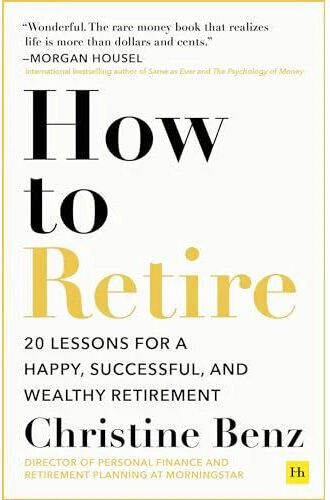
Harriman House How to Retire: 20 Lessons for a Happy, Successful, and Wealthy Retirement by Christine Benz - Paperback - Morningstar Retirement Planning GuideDiscover practical guidance for a happy, successful, and wealthy retirement with How to Retire: 20 Lessons for a Happy, Wealthy Retirement by Christine Benz. This non-fiction paperback, published by Harriman House, offers a collection of insights from twenty leading retirement thinkers. Drawing on interviews with these experts, Christine Benz distills the financial and lifestyle wisdom needed to navigate retirement with confidence. The book is essential reading for anyone approaching or already in retirement, or advising clients on making the most of their later years. Retirement is a profound life transition, and this book tackles both the financial and personal aspects with equal rigor. Rather than offering a single formula, Benz gathered the one lesson each of the twenty retirement thought leaders believe matters most for a successful retirement, resulting in a rich and varied collection of insights.11,99 £*Shipping: 2,99 £Secure redirect to the provider
-
Plata Publishing Rich Dad's Guide to Investing: What the Rich Invest In by Robert T. Kiyosaki - Paperback Personal Finance & Investing BookRich Dad's Guide to Investing: What the Rich Invest In is Robert T. Kiyosaki's essential companion to Rich Dad Poor Dad. This book takes readers deeper into the mindset and mechanics of building real wealth, focusing on active investing and how ordinary people can adopt the habits of the wealthy to escape the paycheck cycle. At the heart of this book is a simple but powerful distinction: passive investing versus active investing. Kiyosaki argues that true financial freedom comes from becoming an engaged investor who takes control of their financial future. This paperback is a valuable resource for anyone ready to move beyond saving and into investing, whether a beginner or someone already dabbling in stocks and property. Published by Plata Publishing, this book is aimed at adults and is a great companion to Rich Dad Poor Dad.10,99 £*Shipping: 2,99 £Secure redirect to the provider


-
Is clumsiness something innate?
Clumsiness can be influenced by both innate factors and environmental factors. Some people may have a genetic predisposition to being clumsy, such as having poor coordination or balance. However, environmental factors such as lack of physical activity, poor posture, or certain medical conditions can also contribute to clumsiness. Ultimately, the degree of clumsiness can vary from person to person and can be influenced by a combination of innate and environmental factors. **
-
How does clumsiness develop?
Clumsiness can develop due to a variety of factors, including physical coordination, spatial awareness, and sensory processing. It can also be influenced by individual differences in motor skills development and neurological factors. Additionally, environmental factors such as lack of practice or exposure to certain activities can contribute to clumsiness. Overall, clumsiness can develop through a combination of genetic, environmental, and developmental factors. **
-
Do you give a clumsiness bonus?
No, I do not give a clumsiness bonus. My goal is to provide accurate and helpful information, regardless of any clumsiness in the question or the way it is asked. I am here to assist and support users in finding the information they need, regardless of any potential clumsiness in their inquiries. **
-
What can be done against clumsiness?
To combat clumsiness, one can practice mindfulness and focus on being present in the moment to avoid distractions that can lead to accidents. Additionally, regular exercise and activities that improve balance and coordination, such as yoga or tai chi, can help improve overall physical coordination and reduce clumsiness. It may also be helpful to pay attention to one's surroundings and be mindful of potential hazards to prevent accidents. Finally, seeking professional help from a physical therapist or occupational therapist can provide personalized strategies and exercises to improve coordination and reduce clumsiness. **

Is clumsiness a matter of character?
Clumsiness is not necessarily a matter of character, but rather a combination of factors such as physical coordination, spatial awareness, and attention to detail. While some people may naturally be more prone to clumsiness due to their physical abilities or habits, it is not necessarily indicative of their character. Clumsiness can also be influenced by external factors such as fatigue, stress, or distractions. Therefore, it is important to consider the various factors that contribute to clumsiness rather than attributing it solely to someone's character. **
Am I stupid because of my clumsiness?
No, clumsiness does not equate to stupidity. Clumsiness is simply a lack of coordination or physical awkwardness, which is a common trait that many people experience. Intelligence is not determined by physical abilities or coordination, but rather by one's ability to learn, understand, and problem-solve. It's important to remember that everyone has different strengths and weaknesses, and being clumsy does not define your intelligence or worth as a person. **
Top-Angebote
Products related to Clumsiness:
-
Cassell You're Not Broke You're Pre-Rich by Emilie Bellet - Paperback Personal Finance Guide for Adults - Budgeting, Saving & Investing Made SimpleGet straight-talking advice on personal finance with Emilie Bellet's guide to budgeting, saving, and investing. This practical book, designed for adults, helps you take charge of your finances and build lasting financial wellbeing, one manageable step at a time. Written by the founder of Vestpod, it distills years of expertise into an indispensable manual for anyone looking to simplify their finances and achieve financial confidence.6,99 £*Shipping: 2,99 £Secure redirect to the provider
-
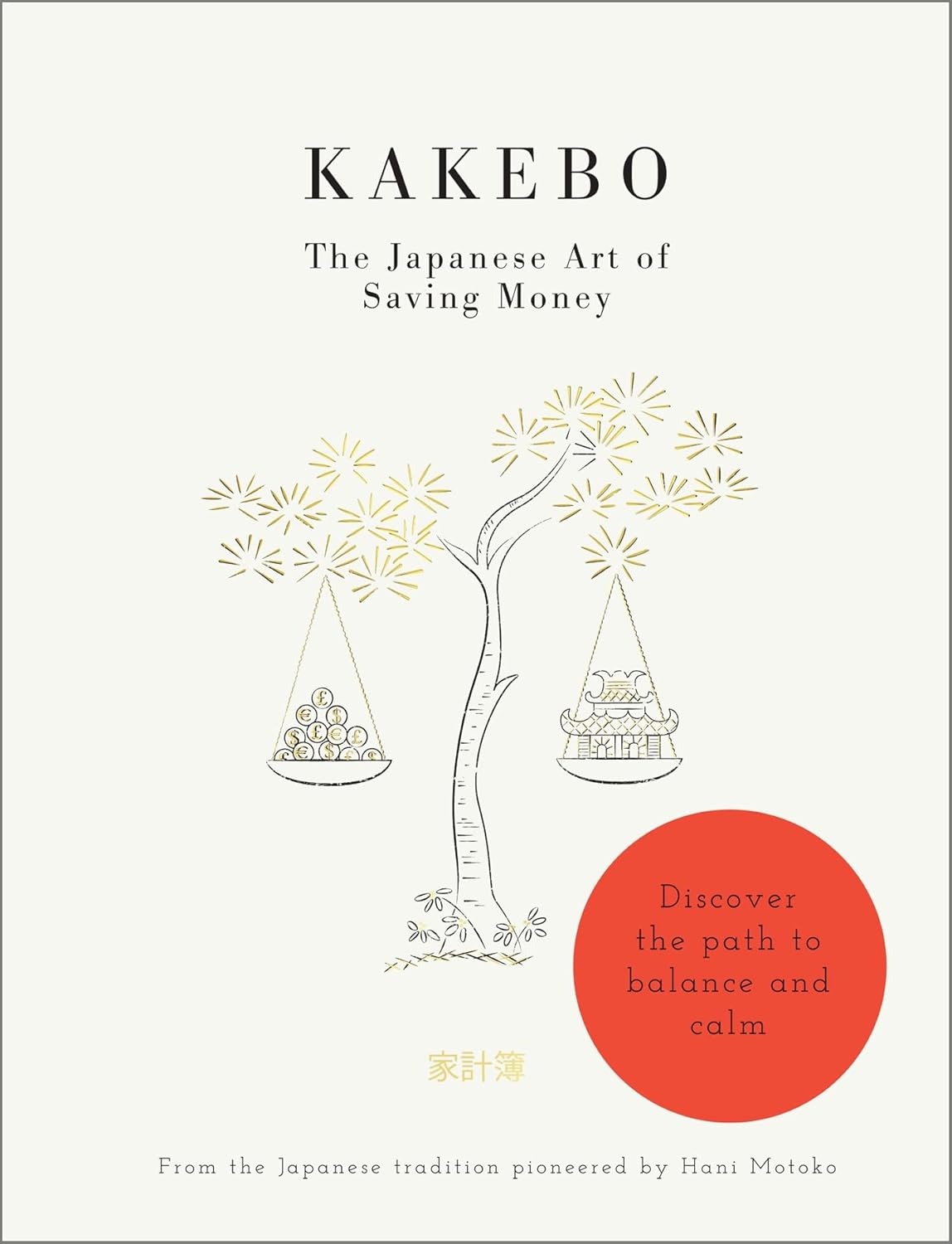
Short Books Kakebo: The Japanese Art of Saving Money by Hani Motoko - Paperback Budgeting Journal - Money Management Non Fiction GiftDiscover the Japanese art of saving money with Kakebo, a century-old budgeting journal brought to modern readers. Created by pioneering journalist Hani Motoko, this practical guide helps you set monthly savings goals, track weekly spending, and reflect on your relationship with money. It's an accessible alternative to budgeting apps, ideal for building lasting financial habits. Kakebo, which simply means 'household account book', distils a Japanese budgeting tradition that dates back to 1904. The beautifully produced paperback allows you to note your income, fixed outgoings, and savings target at the start of each month, then log spending across simple categories each week before tallying everything up.5,99 £*Shipping: 2,99 £Secure redirect to the provider
-
What is the cause of extreme clumsiness and clumsiness?
Extreme clumsiness and clumsiness can be caused by a variety of factors, including neurological conditions such as cerebral palsy, multiple sclerosis, or Parkinson's disease. It can also be a result of inner ear problems affecting balance, or musculoskeletal issues affecting coordination and movement. Additionally, certain medications, alcohol or drug use, and fatigue can also contribute to clumsiness. In some cases, it may be a result of a lack of spatial awareness or poor proprioception. Consulting with a healthcare professional can help identify the underlying cause of extreme clumsiness and develop a treatment plan. **
-
Why is there clumsiness?
Clumsiness can be caused by a variety of factors, including lack of coordination, physical fatigue, distraction, or simply not paying attention to one's surroundings. It can also be a result of physical or neurological conditions that affect balance and motor skills. Additionally, stress, anxiety, or nervousness can contribute to clumsiness by affecting one's ability to focus and control movements. Overall, clumsiness is a common human experience that can be influenced by a combination of physical, mental, and environmental factors. **
-
Is clumsiness something innate?
Clumsiness can be influenced by both innate factors and environmental factors. Some people may have a genetic predisposition to being clumsy, such as having poor coordination or balance. However, environmental factors such as lack of physical activity, poor posture, or certain medical conditions can also contribute to clumsiness. Ultimately, the degree of clumsiness can vary from person to person and can be influenced by a combination of innate and environmental factors. **
-
How does clumsiness develop?
Clumsiness can develop due to a variety of factors, including physical coordination, spatial awareness, and sensory processing. It can also be influenced by individual differences in motor skills development and neurological factors. Additionally, environmental factors such as lack of practice or exposure to certain activities can contribute to clumsiness. Overall, clumsiness can develop through a combination of genetic, environmental, and developmental factors. **
Similar search terms for Clumsiness
-
Harriman House How to Retire: 20 Lessons for a Happy, Successful, and Wealthy Retirement by Christine Benz - Paperback - Morningstar Retirement Planning GuideDiscover practical guidance for a happy, successful, and wealthy retirement with How to Retire: 20 Lessons for a Happy, Wealthy Retirement by Christine Benz. This non-fiction paperback, published by Harriman House, offers a collection of insights from twenty leading retirement thinkers. Drawing on interviews with these experts, Christine Benz distills the financial and lifestyle wisdom needed to navigate retirement with confidence. The book is essential reading for anyone approaching or already in retirement, or advising clients on making the most of their later years. Retirement is a profound life transition, and this book tackles both the financial and personal aspects with equal rigor. Rather than offering a single formula, Benz gathered the one lesson each of the twenty retirement thought leaders believe matters most for a successful retirement, resulting in a rich and varied collection of insights.11,99 £*Shipping: 2,99 £Secure redirect to the provider
-
Plata Publishing Rich Dad's Guide to Investing: What the Rich Invest In by Robert T. Kiyosaki - Paperback Personal Finance & Investing BookRich Dad's Guide to Investing: What the Rich Invest In is Robert T. Kiyosaki's essential companion to Rich Dad Poor Dad. This book takes readers deeper into the mindset and mechanics of building real wealth, focusing on active investing and how ordinary people can adopt the habits of the wealthy to escape the paycheck cycle. At the heart of this book is a simple but powerful distinction: passive investing versus active investing. Kiyosaki argues that true financial freedom comes from becoming an engaged investor who takes control of their financial future. This paperback is a valuable resource for anyone ready to move beyond saving and into investing, whether a beginner or someone already dabbling in stocks and property. Published by Plata Publishing, this book is aimed at adults and is a great companion to Rich Dad Poor Dad.10,99 £*Shipping: 2,99 £Secure redirect to the provider
-
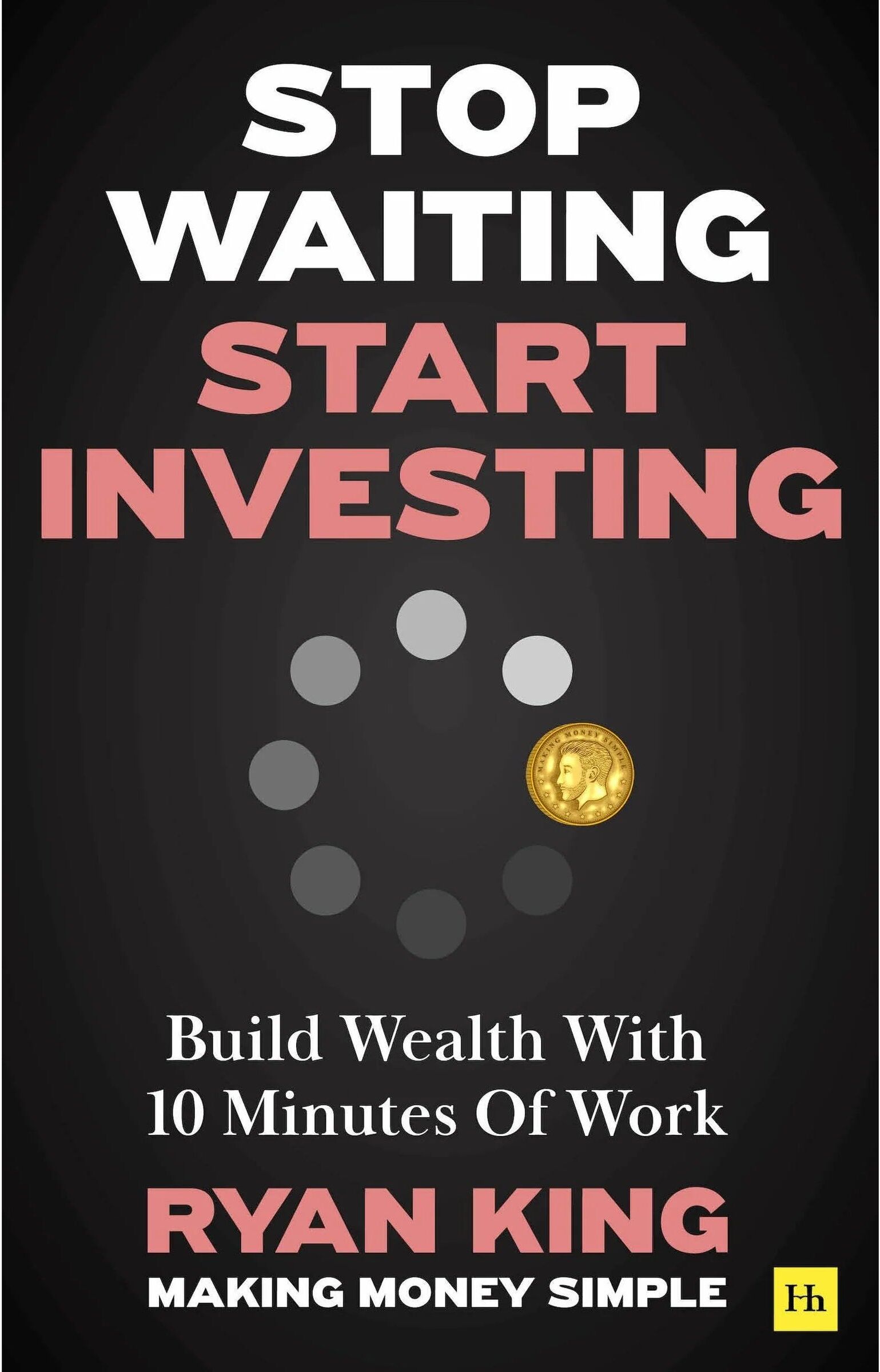
Harriman House Stop Waiting, Start Investing by Ryan King - Paperback Investing Guide - Build Wealth With 10 Minutes Of Work - Personal Finance BookBuild wealth with just 10 minutes of work a day using the stock market with this practical guide. Written by finance content creator and chartered accountant Ryan King, the book offers a simple, passive, automated approach to investing that fits around a busy life. Whether you're starting from scratch or refining an existing strategy, you'll be given the tools and confidence to take control of your financial future. This book directly addresses common hesitations about investing, guiding you step by step through the fundamentals of stock market investing in clear, accessible language. Ryan King draws on his own experience and expertise to provide a beginner-friendly guide to building long-term wealth.11,99 £*Shipping: 2,99 £Secure redirect to the provider
-
DK Your Financial Planner: Review, Plan, Reflect by Camilla Falkenberg - Female Invest Paperback Budgeting Workbook, Non-FictionYour Financial Planner: Review, Plan, Reflect is a hands-on companion from the founders of Female Invest, a platform that has helped millions of women take control of their money. This interactive planner builds on their bestselling guide to investing, turning financial theory into practical action. It's packed with worksheets, budgeting exercises, and goal-setting prompts to help readers save with purpose, invest with confidence, and build lasting financial independence. Written by Camilla Falkenberg, Emma Due Bitz, and Anna-Sophie Hartvigsen, the authors of the Female Invest movement, this planner provides the tools to put financial knowledge into practice. The book is suitable for adults (18+).4,99 £*Shipping: 2,99 £Secure redirect to the provider
-
Do you give a clumsiness bonus?
No, I do not give a clumsiness bonus. My goal is to provide accurate and helpful information, regardless of any clumsiness in the question or the way it is asked. I am here to assist and support users in finding the information they need, regardless of any potential clumsiness in their inquiries. **
-
What can be done against clumsiness?
To combat clumsiness, one can practice mindfulness and focus on being present in the moment to avoid distractions that can lead to accidents. Additionally, regular exercise and activities that improve balance and coordination, such as yoga or tai chi, can help improve overall physical coordination and reduce clumsiness. It may also be helpful to pay attention to one's surroundings and be mindful of potential hazards to prevent accidents. Finally, seeking professional help from a physical therapist or occupational therapist can provide personalized strategies and exercises to improve coordination and reduce clumsiness. **
-
Is clumsiness a matter of character?
Clumsiness is not necessarily a matter of character, but rather a combination of factors such as physical coordination, spatial awareness, and attention to detail. While some people may naturally be more prone to clumsiness due to their physical abilities or habits, it is not necessarily indicative of their character. Clumsiness can also be influenced by external factors such as fatigue, stress, or distractions. Therefore, it is important to consider the various factors that contribute to clumsiness rather than attributing it solely to someone's character. **
-
Am I stupid because of my clumsiness?
No, clumsiness does not equate to stupidity. Clumsiness is simply a lack of coordination or physical awkwardness, which is a common trait that many people experience. Intelligence is not determined by physical abilities or coordination, but rather by one's ability to learn, understand, and problem-solve. It's important to remember that everyone has different strengths and weaknesses, and being clumsy does not define your intelligence or worth as a person. **
* All prices are inclusive of VAT and, if applicable, plus shipping costs. The offer information is based on the details provided by the respective shop and is updated through automated processes. Real-time updates do not occur, so deviations can occur in individual cases. ** Note: Parts of this content were created by AI.