Buy financetip.eu ?
We are moving the project
financetip.eu .
Are you interested in purchasing the domain
financetip.eu ?
domain@kv-gmbh.de · 0541-91531010
Buy financetip.eu ?
Is cloning identity fraud?
Cloning is not the same as identity fraud. Cloning refers to the creation of a genetically identical copy of an organism, while identity fraud involves using someone else's personal information for fraudulent purposes. While cloning may raise ethical and moral concerns, it is not the same as the criminal act of identity fraud. However, the potential misuse of cloned genetic material could potentially lead to identity fraud if used to create false identities. **
How is cloning applied?
Cloning is applied in various fields such as agriculture, medicine, and research. In agriculture, cloning is used to produce genetically identical plants or animals with desirable traits, such as disease resistance or high yield. In medicine, cloning is used to create stem cells for potential therapeutic purposes, or to produce animal models for studying diseases. In research, cloning is used to study genetic and developmental processes, as well as to preserve endangered species. Overall, cloning has a wide range of applications with potential benefits in different fields. **

Similar search terms for Cloning
Top-Angebote
Products related to Cloning:
-
Harriman House How to Retire: 20 Lessons for a Happy, Successful, and Wealthy Retirement by Christine Benz - Paperback - Morningstar Retirement Planning GuideDiscover practical guidance for a happy, successful, and wealthy retirement with How to Retire: 20 Lessons for a Happy, Wealthy Retirement by Christine Benz. This non-fiction paperback, published by Harriman House, offers a collection of insights from twenty leading retirement thinkers. Drawing on interviews with these experts, Christine Benz distills the financial and lifestyle wisdom needed to navigate retirement with confidence. The book is essential reading for anyone approaching or already in retirement, or advising clients on making the most of their later years. Retirement is a profound life transition, and this book tackles both the financial and personal aspects with equal rigor. Rather than offering a single formula, Benz gathered the one lesson each of the twenty retirement thought leaders believe matters most for a successful retirement, resulting in a rich and varied collection of insights.11,99 £*Shipping: 2,99 £Secure redirect to the provider
-
Plata Publishing Rich Dad's Guide to Investing: What the Rich Invest In by Robert T. Kiyosaki - Paperback Personal Finance & Investing BookRich Dad's Guide to Investing: What the Rich Invest In is Robert T. Kiyosaki's essential companion to Rich Dad Poor Dad. This book takes readers deeper into the mindset and mechanics of building real wealth, focusing on active investing and how ordinary people can adopt the habits of the wealthy to escape the paycheck cycle. At the heart of this book is a simple but powerful distinction: passive investing versus active investing. Kiyosaki argues that true financial freedom comes from becoming an engaged investor who takes control of their financial future. This paperback is a valuable resource for anyone ready to move beyond saving and into investing, whether a beginner or someone already dabbling in stocks and property. Published by Plata Publishing, this book is aimed at adults and is a great companion to Rich Dad Poor Dad.10,99 £*Shipping: 2,99 £Secure redirect to the provider




-
How does cloning work?
Cloning is the process of creating a genetically identical copy of an organism. In the case of reproductive cloning, the nucleus of a donor cell is inserted into an egg cell that has had its nucleus removed. The egg cell is then stimulated to divide and develop into an embryo, which is then implanted into a surrogate mother. In the case of therapeutic cloning, the cloned embryo is used to harvest stem cells for medical research and potential treatment of diseases. The process of cloning has ethical and scientific implications and continues to be a topic of debate and research. **
-
What does cloning mean?
Cloning is the process of creating an identical copy of an organism or a specific gene or DNA sequence. This can be done through various techniques, such as somatic cell nuclear transfer or gene cloning. Cloning can be used for a variety of purposes, including scientific research, medical treatments, and agricultural practices. However, it also raises ethical and moral concerns, particularly when it comes to cloning humans. **
-
What do you think about human cloning and the associated therapeutic cloning?
I believe that human cloning raises ethical concerns regarding individuality, identity, and the potential exploitation of cloned individuals. However, therapeutic cloning, which involves creating cloned embryos for medical research and potential treatments, holds promise for advancing regenerative medicine and treating various diseases. It is important to carefully consider the ethical implications and regulations surrounding these practices to ensure that they are used responsibly and ethically. **
-
What is therapeutic cloning and what is the difference to reproductive cloning?
Therapeutic cloning, also known as somatic cell nuclear transfer, is a process in which a cell from a patient is used to create an embryo that is genetically identical to the patient. The purpose of therapeutic cloning is to harvest stem cells from the embryo, which can then be used for medical treatments and research. Reproductive cloning, on the other hand, is the process of creating a genetically identical copy of an organism. This is typically done by transferring the nucleus of a donor cell into an egg cell that has had its nucleus removed, and then implanting the resulting embryo into a surrogate mother. The goal of reproductive cloning is to produce a living organism with the same genetic makeup as the donor. The main difference between therapeutic cloning and reproductive cloning is the intended outcome: therapeutic cloning is focused on producing stem cells for medical purposes, while reproductive cloning is focused on creating a living organism. **

How can cloning be manipulated?
Cloning can be manipulated through various techniques such as somatic cell nuclear transfer, where the nucleus of a somatic cell is transferred into an enucleated egg cell to create a clone. Additionally, gene editing technologies like CRISPR can be used to modify the genetic material of the cloned organism. Cloning can also be manipulated through the use of different culture conditions and growth factors to enhance the development and viability of cloned embryos. Overall, cloning can be manipulated through a combination of genetic, cellular, and environmental techniques to achieve specific desired outcomes. **
Where is reproductive cloning applied?
Reproductive cloning is applied in the field of animal breeding and genetic research. It is used to create genetically identical animals for agricultural purposes, such as producing high-quality livestock or preserving endangered species. Reproductive cloning has also been used in scientific research to study the effects of genetic modifications and to develop new medical treatments. However, it is not currently used in human reproduction due to ethical and safety concerns. **
Top-Angebote
Products related to Cloning:
-
Cassell You're Not Broke You're Pre-Rich by Emilie Bellet - Paperback Personal Finance Guide for Adults - Budgeting, Saving & Investing Made SimpleGet straight-talking advice on personal finance with Emilie Bellet's guide to budgeting, saving, and investing. This practical book, designed for adults, helps you take charge of your finances and build lasting financial wellbeing, one manageable step at a time. Written by the founder of Vestpod, it distills years of expertise into an indispensable manual for anyone looking to simplify their finances and achieve financial confidence.6,99 £*Shipping: 2,99 £Secure redirect to the provider
-
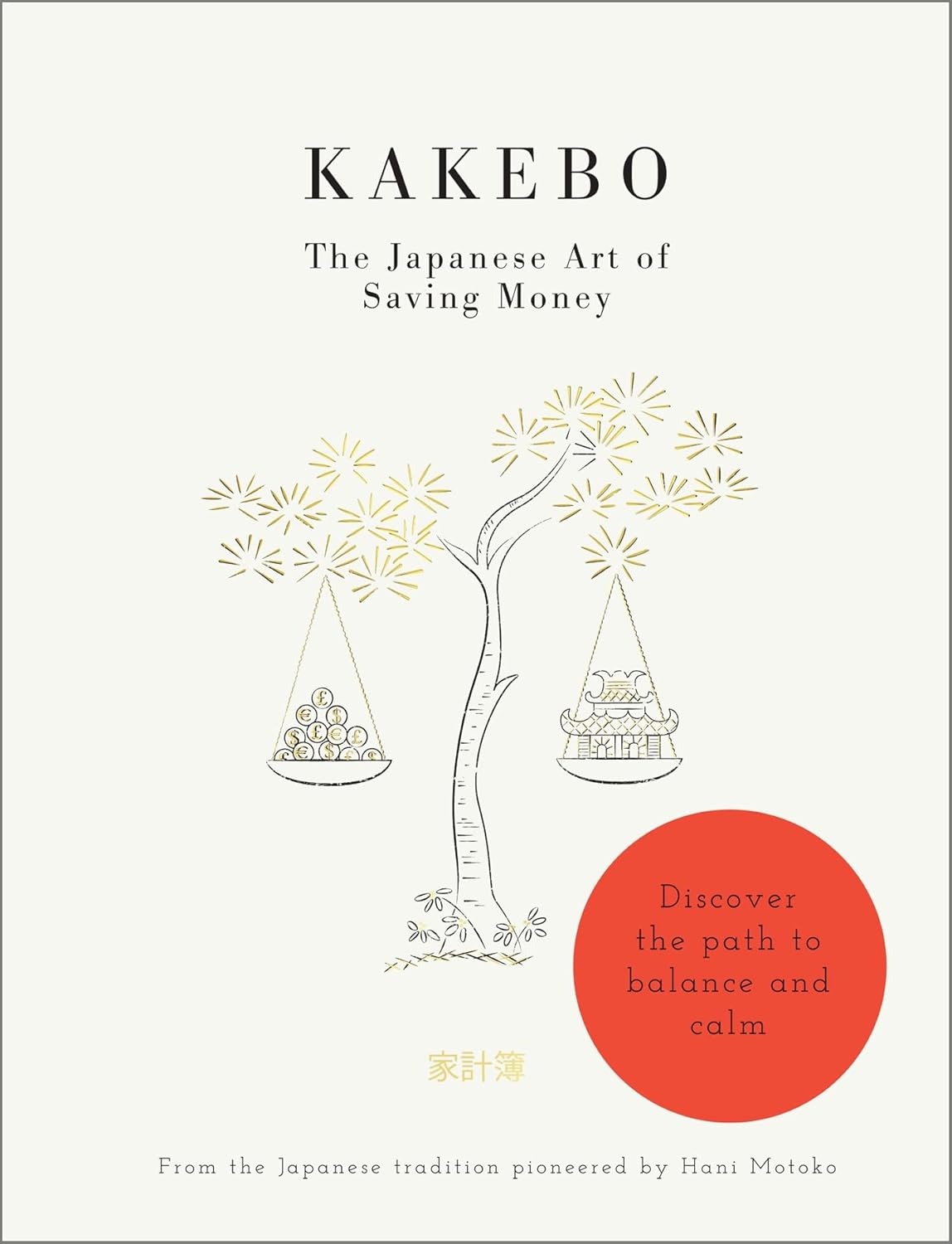
Short Books Kakebo: The Japanese Art of Saving Money by Hani Motoko - Paperback Budgeting Journal - Money Management Non Fiction GiftDiscover the Japanese art of saving money with Kakebo, a century-old budgeting journal brought to modern readers. Created by pioneering journalist Hani Motoko, this practical guide helps you set monthly savings goals, track weekly spending, and reflect on your relationship with money. It's an accessible alternative to budgeting apps, ideal for building lasting financial habits. Kakebo, which simply means 'household account book', distils a Japanese budgeting tradition that dates back to 1904. The beautifully produced paperback allows you to note your income, fixed outgoings, and savings target at the start of each month, then log spending across simple categories each week before tallying everything up.5,99 £*Shipping: 2,99 £Secure redirect to the provider
-
Is cloning identity fraud?
Cloning is not the same as identity fraud. Cloning refers to the creation of a genetically identical copy of an organism, while identity fraud involves using someone else's personal information for fraudulent purposes. While cloning may raise ethical and moral concerns, it is not the same as the criminal act of identity fraud. However, the potential misuse of cloned genetic material could potentially lead to identity fraud if used to create false identities. **
-
How is cloning applied?
Cloning is applied in various fields such as agriculture, medicine, and research. In agriculture, cloning is used to produce genetically identical plants or animals with desirable traits, such as disease resistance or high yield. In medicine, cloning is used to create stem cells for potential therapeutic purposes, or to produce animal models for studying diseases. In research, cloning is used to study genetic and developmental processes, as well as to preserve endangered species. Overall, cloning has a wide range of applications with potential benefits in different fields. **
-
How does cloning work?
Cloning is the process of creating a genetically identical copy of an organism. In the case of reproductive cloning, the nucleus of a donor cell is inserted into an egg cell that has had its nucleus removed. The egg cell is then stimulated to divide and develop into an embryo, which is then implanted into a surrogate mother. In the case of therapeutic cloning, the cloned embryo is used to harvest stem cells for medical research and potential treatment of diseases. The process of cloning has ethical and scientific implications and continues to be a topic of debate and research. **
-
What does cloning mean?
Cloning is the process of creating an identical copy of an organism or a specific gene or DNA sequence. This can be done through various techniques, such as somatic cell nuclear transfer or gene cloning. Cloning can be used for a variety of purposes, including scientific research, medical treatments, and agricultural practices. However, it also raises ethical and moral concerns, particularly when it comes to cloning humans. **
Similar search terms for Cloning
-
Harriman House How to Retire: 20 Lessons for a Happy, Successful, and Wealthy Retirement by Christine Benz - Paperback - Morningstar Retirement Planning GuideDiscover practical guidance for a happy, successful, and wealthy retirement with How to Retire: 20 Lessons for a Happy, Wealthy Retirement by Christine Benz. This non-fiction paperback, published by Harriman House, offers a collection of insights from twenty leading retirement thinkers. Drawing on interviews with these experts, Christine Benz distills the financial and lifestyle wisdom needed to navigate retirement with confidence. The book is essential reading for anyone approaching or already in retirement, or advising clients on making the most of their later years. Retirement is a profound life transition, and this book tackles both the financial and personal aspects with equal rigor. Rather than offering a single formula, Benz gathered the one lesson each of the twenty retirement thought leaders believe matters most for a successful retirement, resulting in a rich and varied collection of insights.11,99 £*Shipping: 2,99 £Secure redirect to the provider
-
Plata Publishing Rich Dad's Guide to Investing: What the Rich Invest In by Robert T. Kiyosaki - Paperback Personal Finance & Investing BookRich Dad's Guide to Investing: What the Rich Invest In is Robert T. Kiyosaki's essential companion to Rich Dad Poor Dad. This book takes readers deeper into the mindset and mechanics of building real wealth, focusing on active investing and how ordinary people can adopt the habits of the wealthy to escape the paycheck cycle. At the heart of this book is a simple but powerful distinction: passive investing versus active investing. Kiyosaki argues that true financial freedom comes from becoming an engaged investor who takes control of their financial future. This paperback is a valuable resource for anyone ready to move beyond saving and into investing, whether a beginner or someone already dabbling in stocks and property. Published by Plata Publishing, this book is aimed at adults and is a great companion to Rich Dad Poor Dad.10,99 £*Shipping: 2,99 £Secure redirect to the provider
-
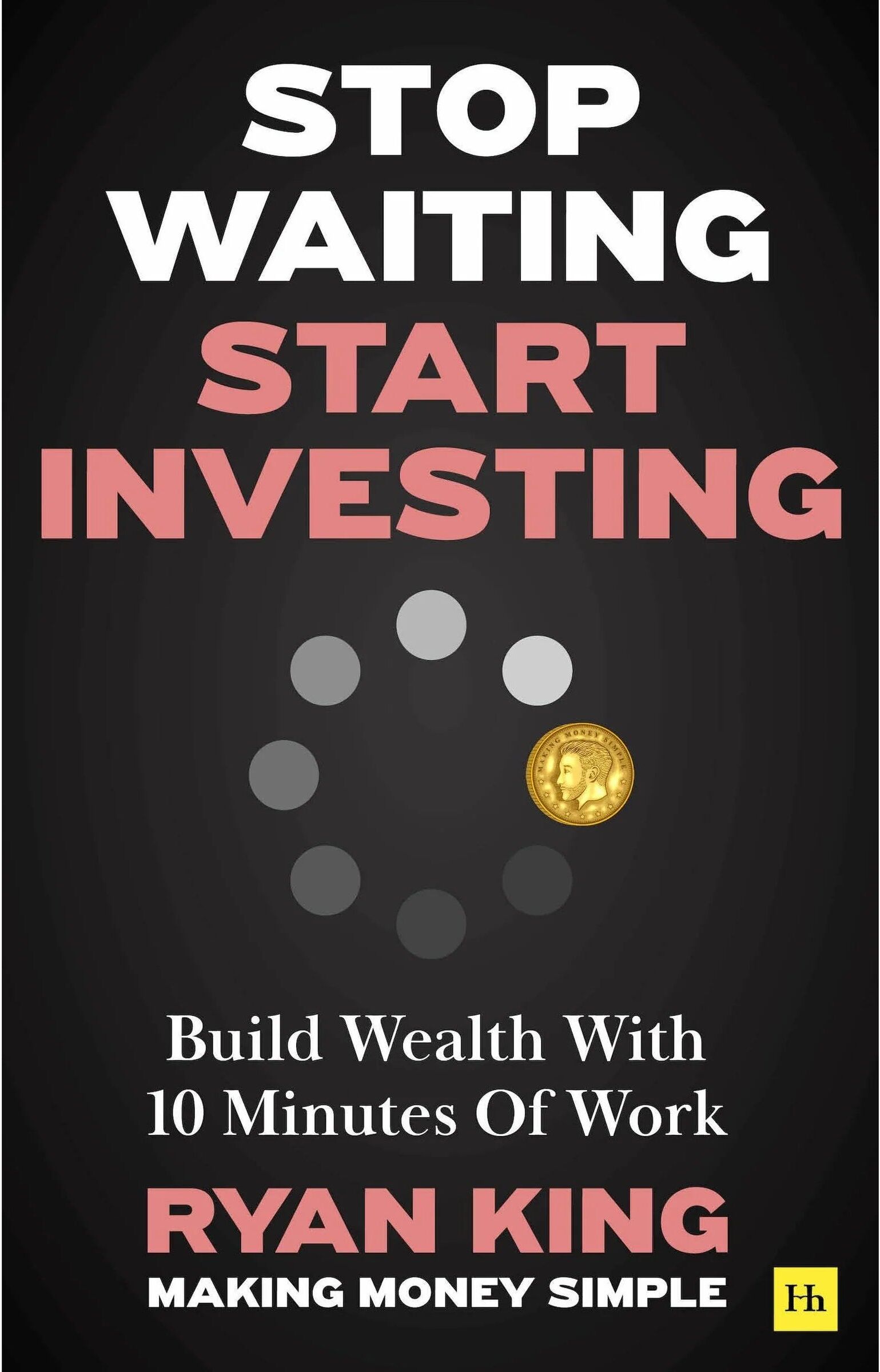
Harriman House Stop Waiting, Start Investing by Ryan King - Paperback Investing Guide - Build Wealth With 10 Minutes Of Work - Personal Finance BookBuild wealth with just 10 minutes of work a day using the stock market with this practical guide. Written by finance content creator and chartered accountant Ryan King, the book offers a simple, passive, automated approach to investing that fits around a busy life. Whether you're starting from scratch or refining an existing strategy, you'll be given the tools and confidence to take control of your financial future. This book directly addresses common hesitations about investing, guiding you step by step through the fundamentals of stock market investing in clear, accessible language. Ryan King draws on his own experience and expertise to provide a beginner-friendly guide to building long-term wealth.11,99 £*Shipping: 2,99 £Secure redirect to the provider
-
DK Your Financial Planner: Review, Plan, Reflect by Camilla Falkenberg - Female Invest Paperback Budgeting Workbook, Non-FictionYour Financial Planner: Review, Plan, Reflect is a hands-on companion from the founders of Female Invest, a platform that has helped millions of women take control of their money. This interactive planner builds on their bestselling guide to investing, turning financial theory into practical action. It's packed with worksheets, budgeting exercises, and goal-setting prompts to help readers save with purpose, invest with confidence, and build lasting financial independence. Written by Camilla Falkenberg, Emma Due Bitz, and Anna-Sophie Hartvigsen, the authors of the Female Invest movement, this planner provides the tools to put financial knowledge into practice. The book is suitable for adults (18+).4,99 £*Shipping: 2,99 £Secure redirect to the provider
-
What do you think about human cloning and the associated therapeutic cloning?
I believe that human cloning raises ethical concerns regarding individuality, identity, and the potential exploitation of cloned individuals. However, therapeutic cloning, which involves creating cloned embryos for medical research and potential treatments, holds promise for advancing regenerative medicine and treating various diseases. It is important to carefully consider the ethical implications and regulations surrounding these practices to ensure that they are used responsibly and ethically. **
-
What is therapeutic cloning and what is the difference to reproductive cloning?
Therapeutic cloning, also known as somatic cell nuclear transfer, is a process in which a cell from a patient is used to create an embryo that is genetically identical to the patient. The purpose of therapeutic cloning is to harvest stem cells from the embryo, which can then be used for medical treatments and research. Reproductive cloning, on the other hand, is the process of creating a genetically identical copy of an organism. This is typically done by transferring the nucleus of a donor cell into an egg cell that has had its nucleus removed, and then implanting the resulting embryo into a surrogate mother. The goal of reproductive cloning is to produce a living organism with the same genetic makeup as the donor. The main difference between therapeutic cloning and reproductive cloning is the intended outcome: therapeutic cloning is focused on producing stem cells for medical purposes, while reproductive cloning is focused on creating a living organism. **
-
How can cloning be manipulated?
Cloning can be manipulated through various techniques such as somatic cell nuclear transfer, where the nucleus of a somatic cell is transferred into an enucleated egg cell to create a clone. Additionally, gene editing technologies like CRISPR can be used to modify the genetic material of the cloned organism. Cloning can also be manipulated through the use of different culture conditions and growth factors to enhance the development and viability of cloned embryos. Overall, cloning can be manipulated through a combination of genetic, cellular, and environmental techniques to achieve specific desired outcomes. **
-
Where is reproductive cloning applied?
Reproductive cloning is applied in the field of animal breeding and genetic research. It is used to create genetically identical animals for agricultural purposes, such as producing high-quality livestock or preserving endangered species. Reproductive cloning has also been used in scientific research to study the effects of genetic modifications and to develop new medical treatments. However, it is not currently used in human reproduction due to ethical and safety concerns. **
* All prices are inclusive of VAT and, if applicable, plus shipping costs. The offer information is based on the details provided by the respective shop and is updated through automated processes. Real-time updates do not occur, so deviations can occur in individual cases. ** Note: Parts of this content were created by AI.